
Cycling stage 4: St. Agatha – Aarle-Rixtel | Brabant Monastery Trail
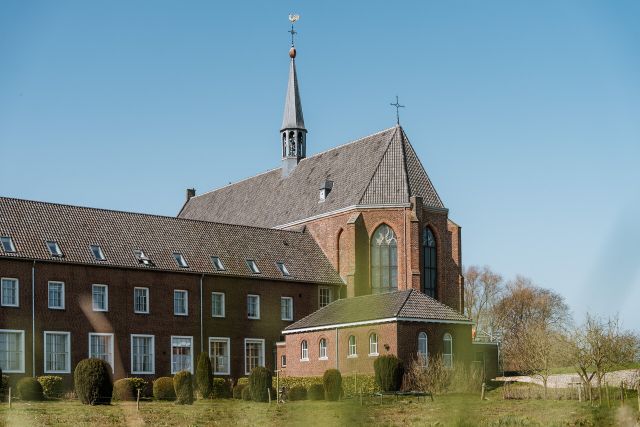
Cycle from Saint Agatha Convent to the Missionary Convent of the Holy Blood.

Show all 9 photos
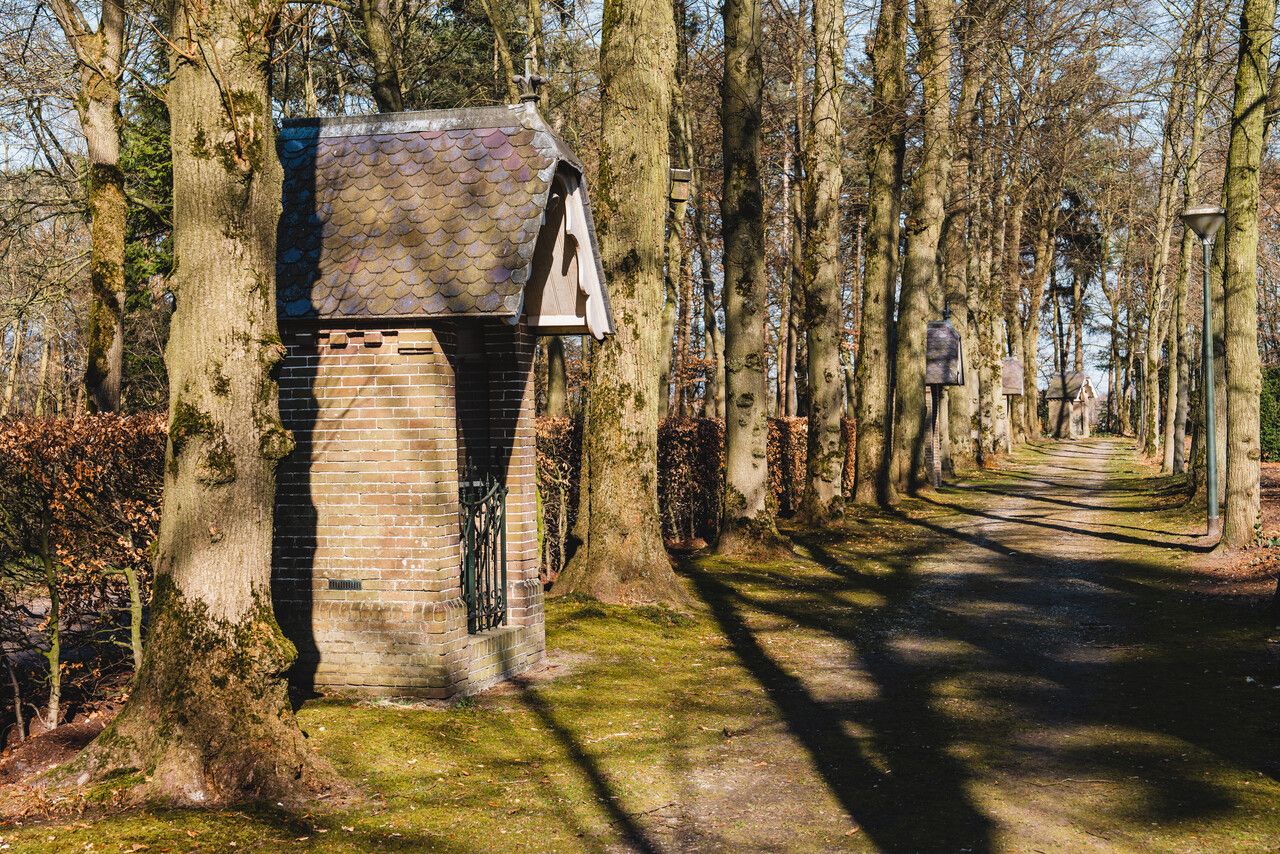
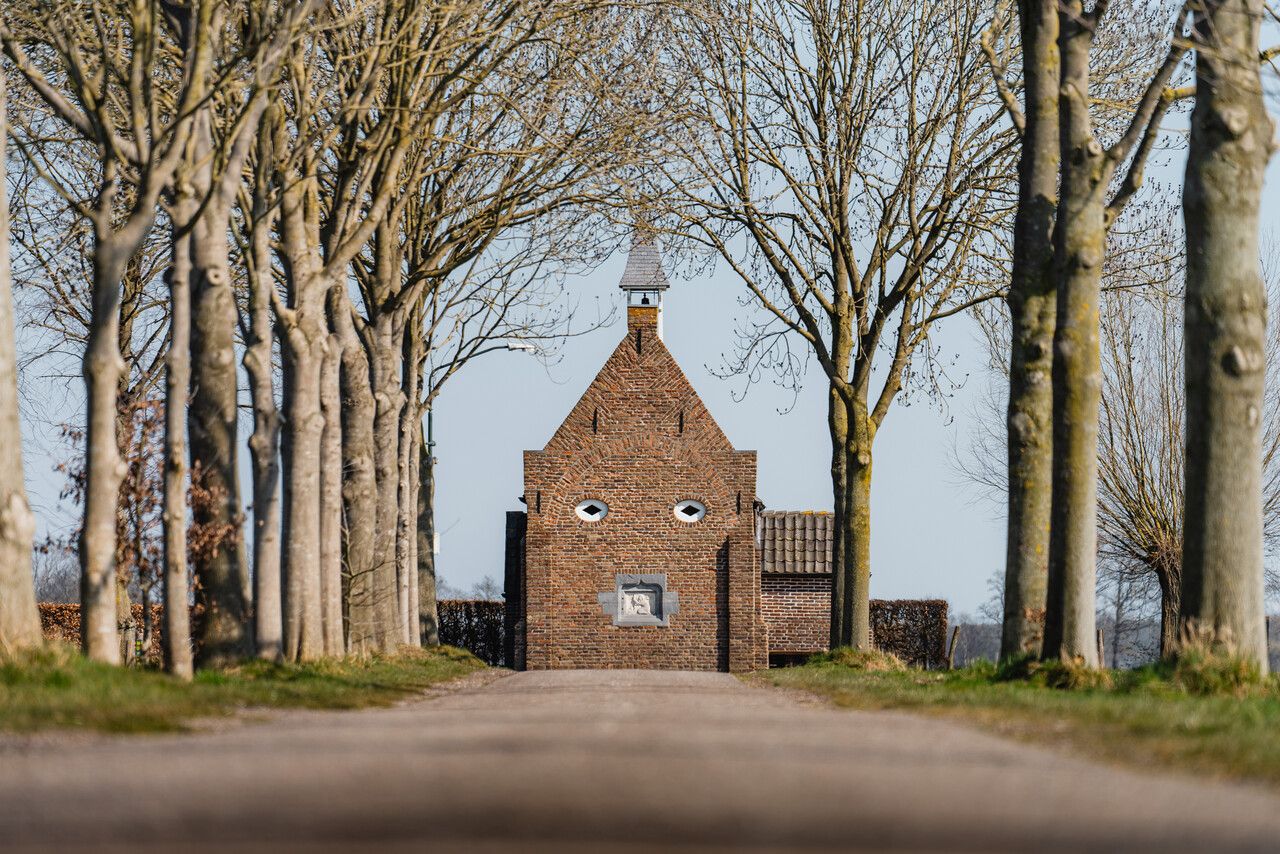
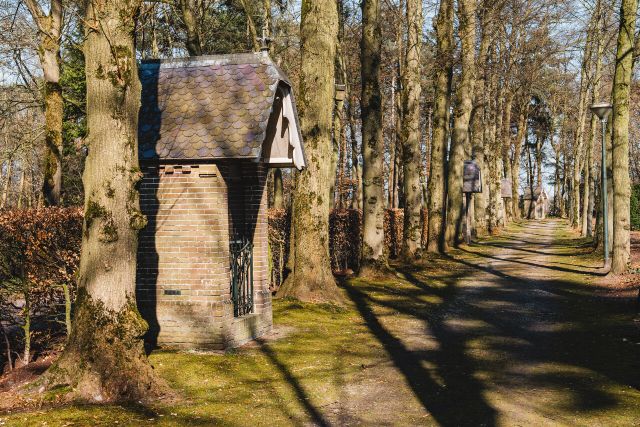
Discover the many chapels along this 66-km stage. Pause for a moment at the Spijkerkapel in Esdonk or the Nepomuk Chapel in Boxmeer. Light a candle. Continue your journey through the countryside and take in everything you encounter along the way. The route ends at the impressive Missionary Convent of the Holy Blood.
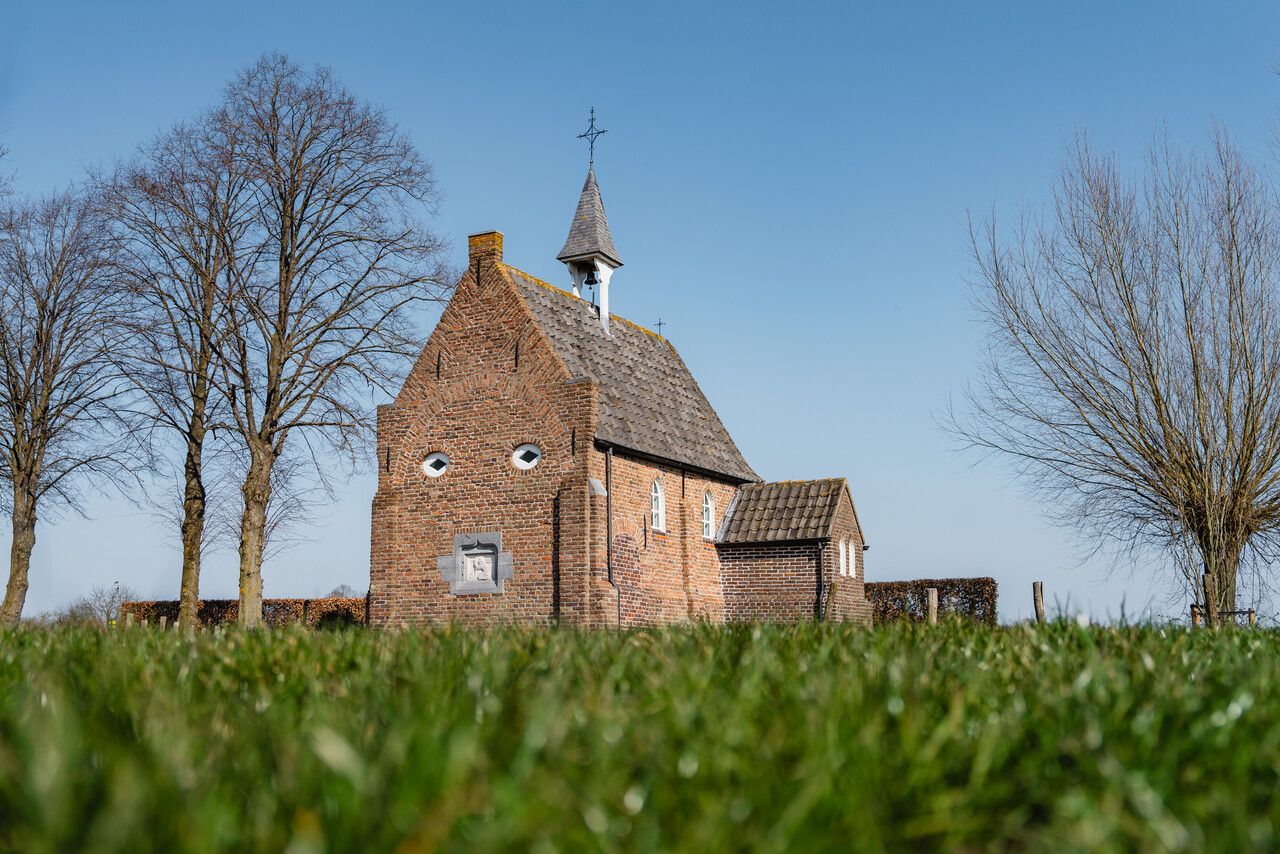
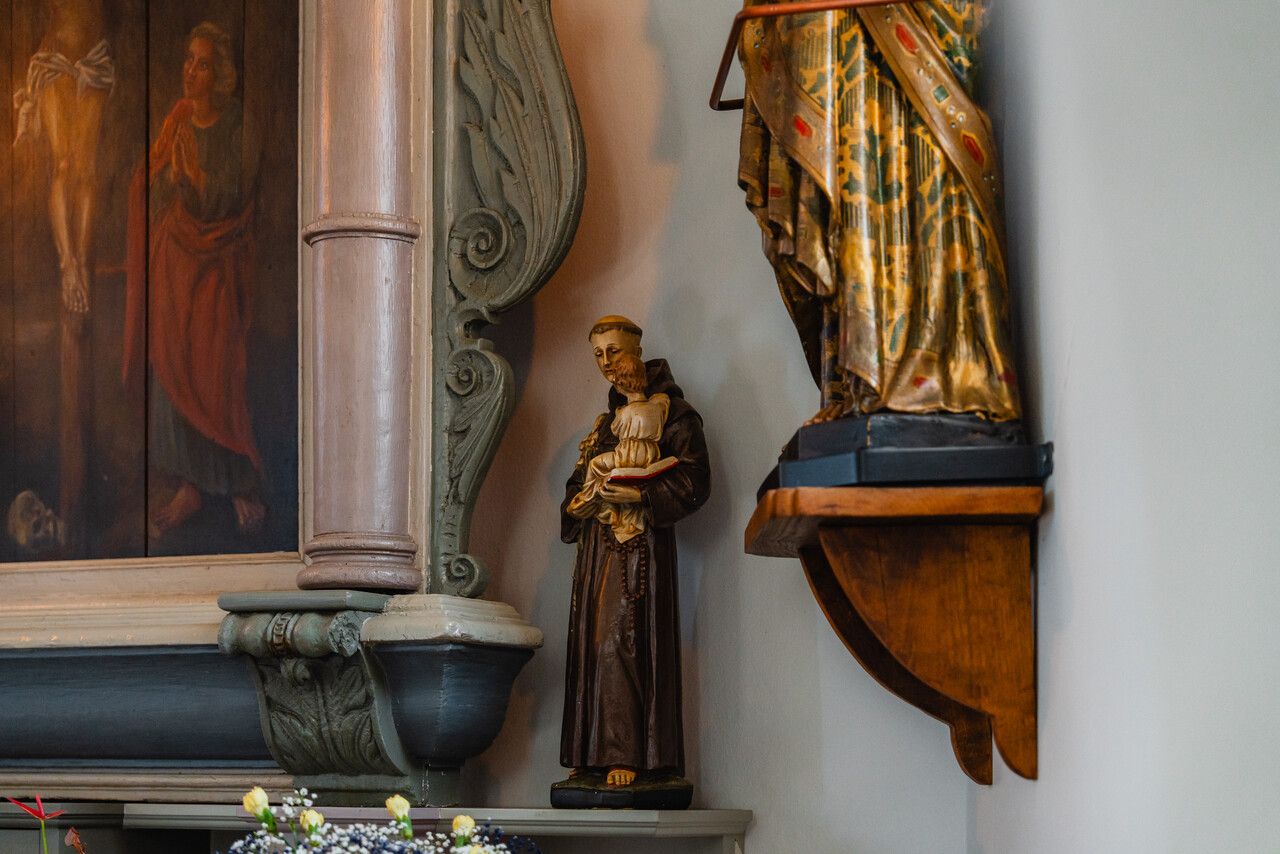
Focus – cycle in the here and now.It sounds wonderful and it is. Visiting the many chapels on this route helps you focus. They are true places of peace and contemplation, each harbouring its own fascinating story. One example is the so-called Spijkerkapel or ‘Nail Chapel’ in Esdonk, where, according to a centuries-old tradition, people leave rusted nails beside the life-sized statue of Christ in the tomb. It is also worth stopping at the Nepomuk Chapel in Boxmeer. Saint John of Nepomuk is said to offer protection to those crossing the water. It is rather curious that you rarely come across this saint elsewhere in a water-rich country like ours.
Calmness, mindfulness and silence…
Discover the many chapels along this 66-km stage. Pause for a moment at the Spijkerkapel in Esdonk or the Nepomuk Chapel in Boxmeer. Light a candle. Continue your journey through the countryside and take in everything you encounter along the way. The route ends at the impressive Missionary Convent of the Holy Blood.
Focus – cycle in the here and now.It sounds wonderful and it is. Visiting the many chapels on this route helps you focus. They are true places of peace and contemplation, each harbouring its own fascinating story. One example is the so-called Spijkerkapel or ‘Nail Chapel’ in Esdonk, where, according to a centuries-old tradition, people leave rusted nails beside the life-sized statue of Christ in the tomb. It is also worth stopping at the Nepomuk Chapel in Boxmeer. Saint John of Nepomuk is said to offer protection to those crossing the water. It is rather curious that you rarely come across this saint elsewhere in a water-rich country like ours.
Calmness, mindfulness and silence
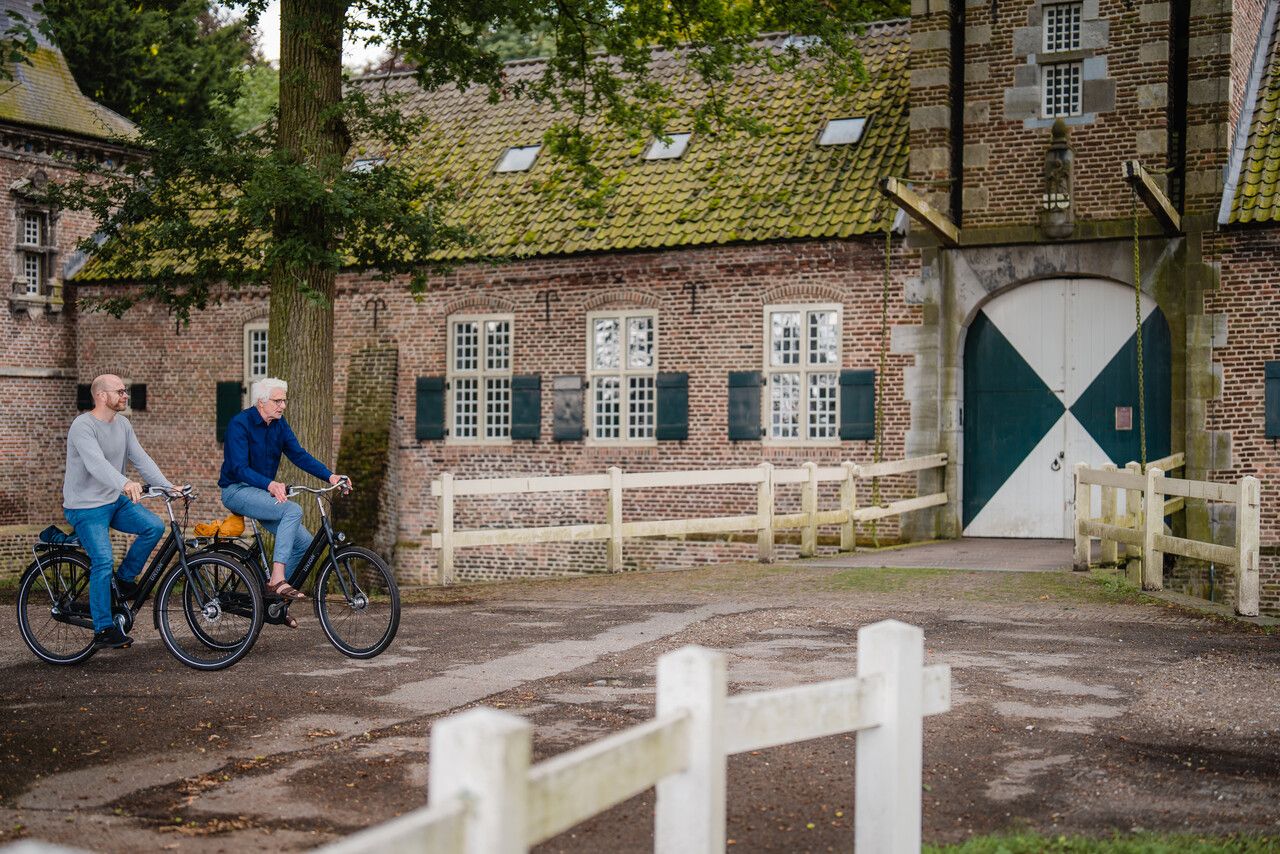
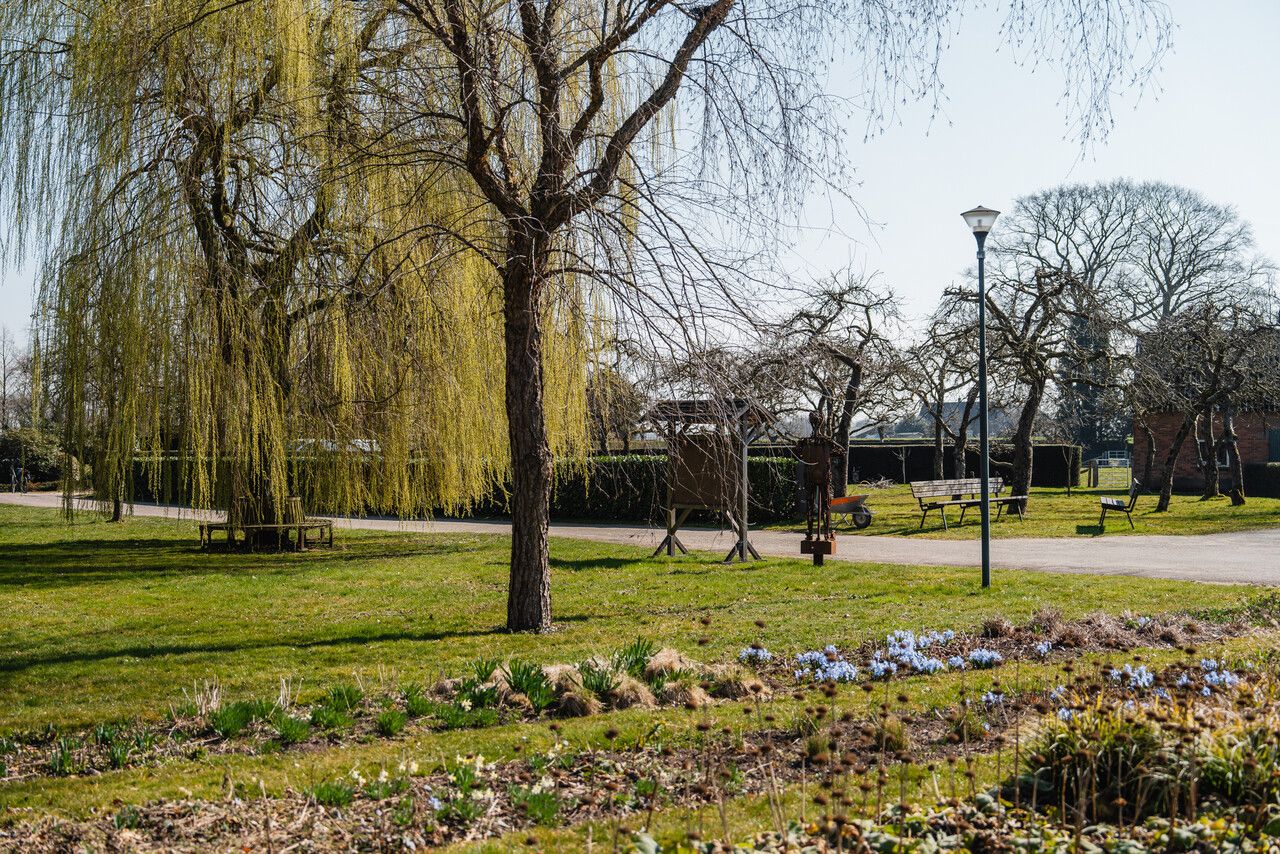
A chapel brings a moment of stillness. You light a candle and think of someone else. Or you take a moment to reflect on what matters to you in life. You then continue cycling straight through De Peel National Park, via Saint Anthonis Forest with its distinctive ‘Witches’ Tree’,along the floodplains of the Maas and through De Vilt Nature Reserve. Be mindful of yoursurroundings and you could spot an orange-tip butterfly, a long-eared owl, bogbean or even a natterjack toad. Amid the stillness of the landscape, you may come across herds of Scottish Highland cattle and flocks of Kempen heath sheep.You also pass various monastic heritage sites along the way, including De Weijer, a former monastery, the CarmeliteMonastery and the Gemert Monastery Castle. The monks and nuns who lived here left a lasting legacy through their dedication to people and society – a legacy that can still be seen today, for example in education. All this gives you plenty to reflect on as you cycle this route. Enjoy a journey of more than 60 kilometres – combining exercise with reflection.
Cycle or walk the Brabant Monastery Trail
North Brabant is home to hundreds of monastery buildings, more than forty of which are still inhabited. A range of short- and long-distance routes take you through Brabant’s rich monastic heritage, past numerous monasteries and abbeys that tell the story of monastic life then and now. You can, for example, walk the 300-km Brabant Monastery Trail, or cycle the Brabant Monastery Trail, covering more than 700 km. These long-distance routes are divided into multiple stages. If you would prefer a shorter route, choose one of the lovely circular walks or cycle loops. Brabant invites you to slow down, find stillness and wonder.
-
Hotline routes
Hotline routesIf there is something wrong on the route, report it here.
from Brabant residents
Skip map elementsLocations on this route
-
St. Agatha Convent
St. Agatha Convent
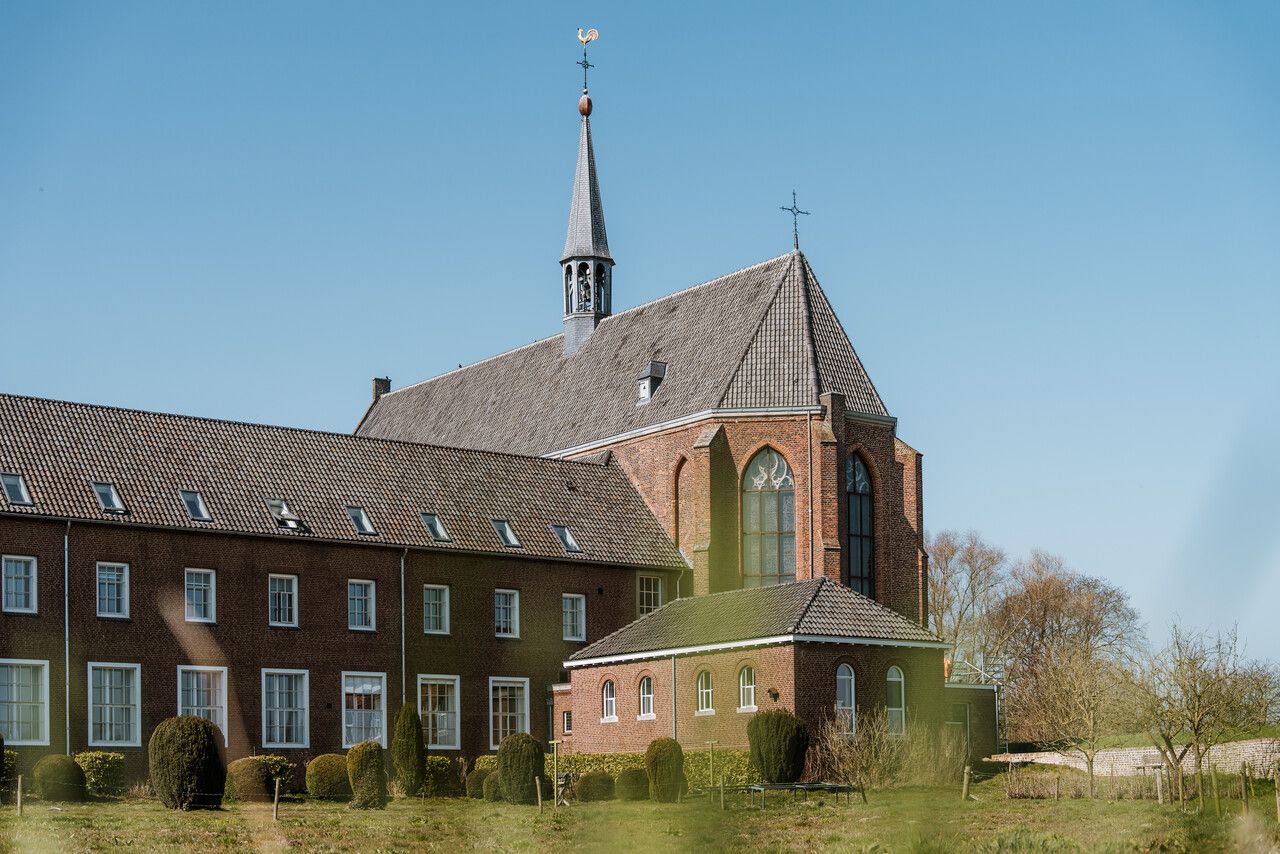
A convent of the past, present and future. St. Agatha Convent is the oldest convent in the Netherlands still to be inhabited. As you approach the village of St. Agatha, the convent can be seen from far and wide. It has been inhabited co
Kloosterlaan 24
5435 XD Sint Agatha
Navigate to starting point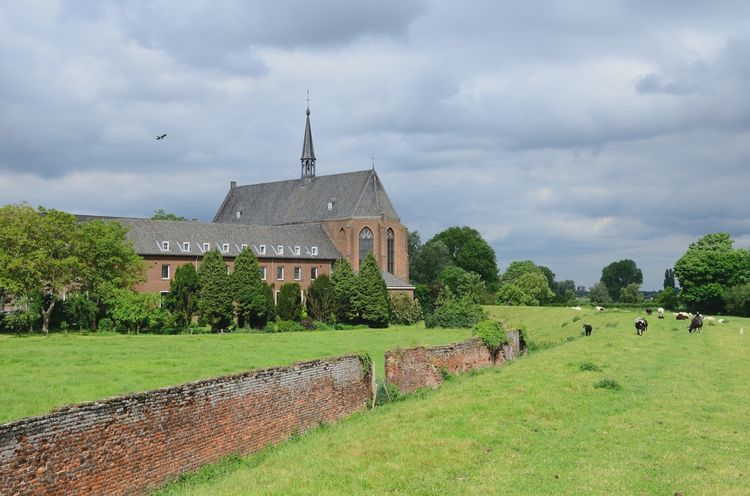
-
70
-
Klostergarten des Klosters St. Agatha
Klostergarten des Klosters St. Agatha
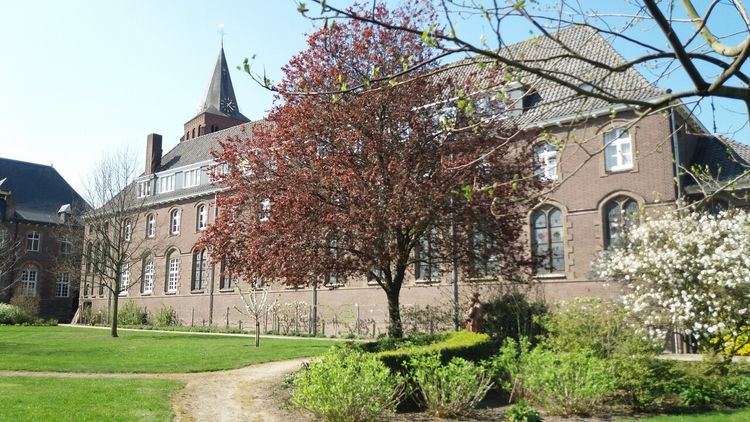
In der Nähe der Maas, inmitten von Feldern, liegt im äußersten Osten der Provinz Nordbrabant das Kloster St. Agatha. Die Kapelle erhebt sich aus der Landschaft, geschützt durch einen Deich.
-
12
-
Maasheggen UNESCO
Maasheggen UNESCO
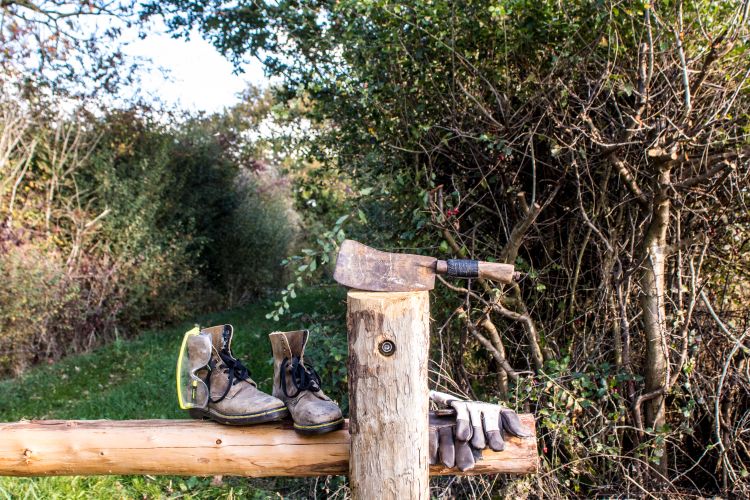
The Meuse hedgerows consist of long rows of centuries-old hawthorn and blackthorn hedges. They serve as property boundaries, and their prickly nature also prevents livestock from easily escaping the enclosure.
-
02
-
07
-
De Vilt Nature Reserve
De Vilt Nature Reserve
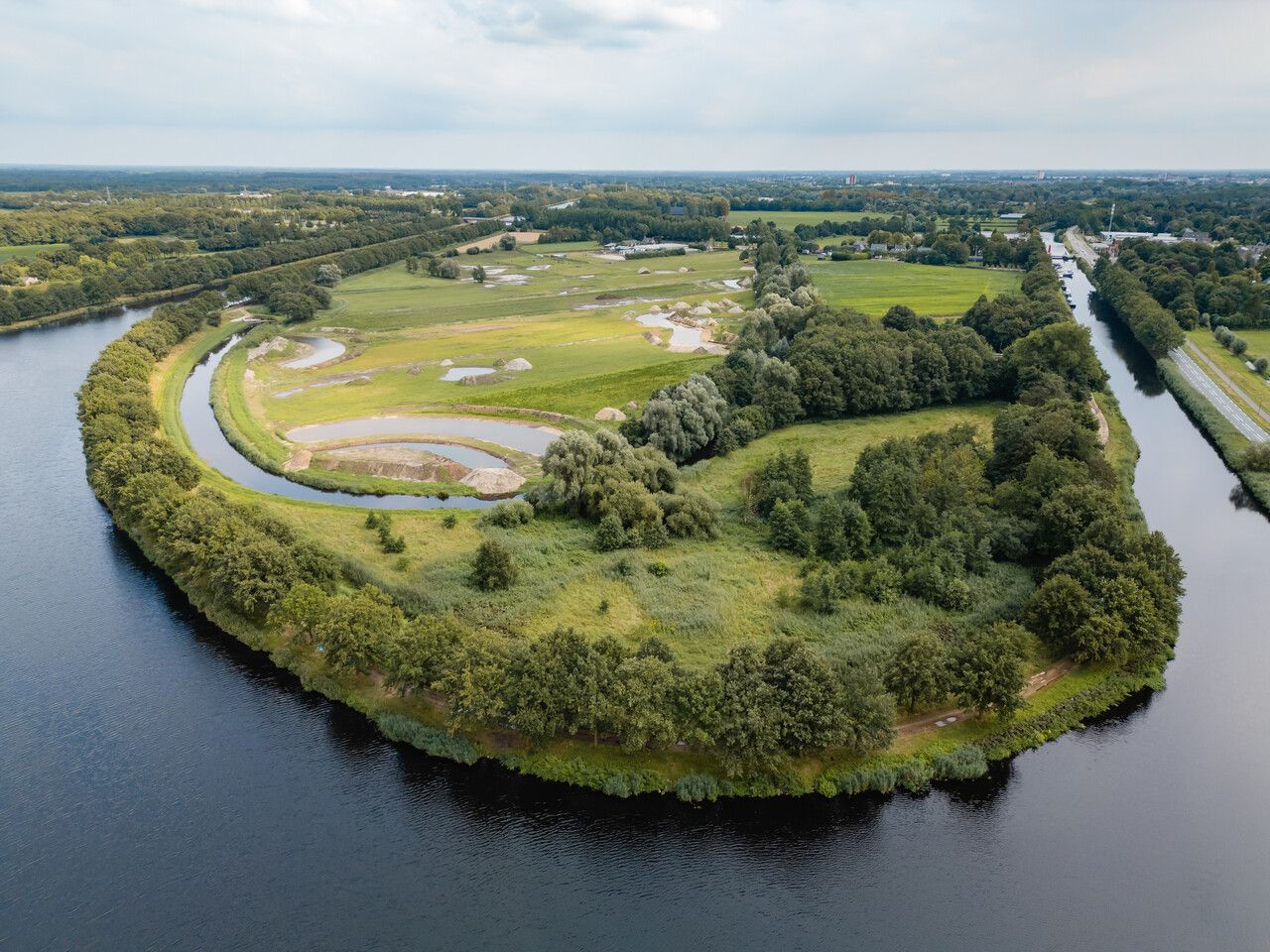
De Vilt Nature Reserve is an ancient meander of the River Meuse.

-
14
-
Church of the Assumption
Church of the Assumption
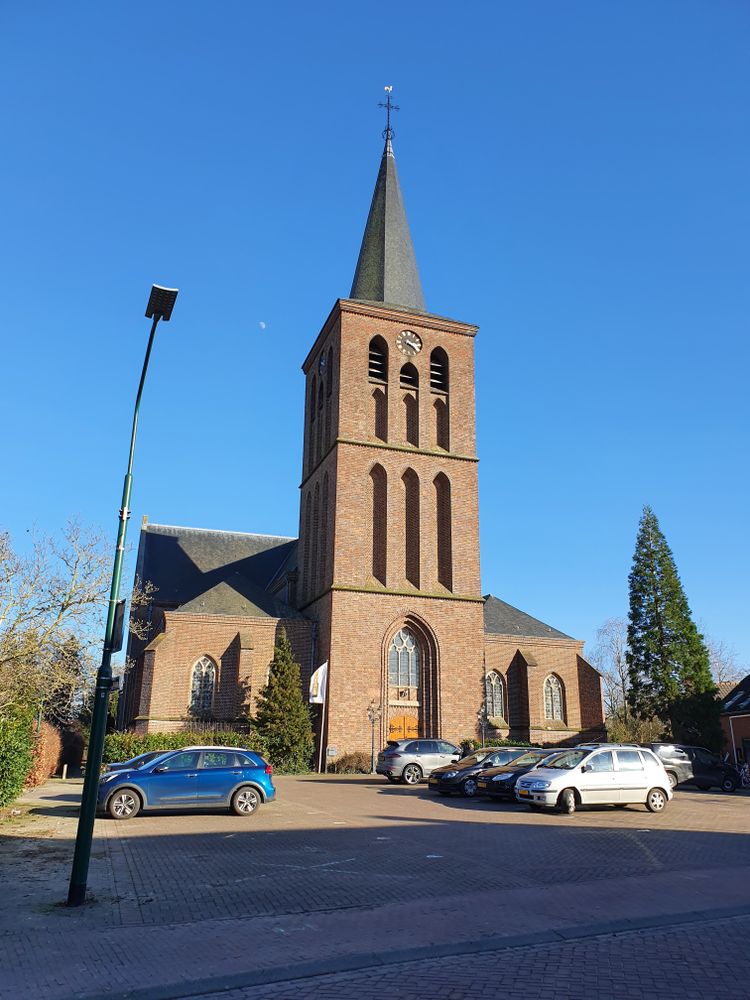
In Beugen, you’ll pass the Church of the Assumption, built in 1420, which features a 17th-century choir and was restored by Pierre Cuypers in 1879. The tower was blown up during the war.
-
Former Mariahof Convent
Former Mariahof Convent
On Hagelkruisstraat, you can see the former Mariahof convent of the Sisters of Mercy of St. Charles Borromeo. They came here from Kleve in 1876 to teach children, nurse the sick, and comfort the unfortunate.
-
15
-
01
-
Julie Postel Convent
Julie Postel Convent
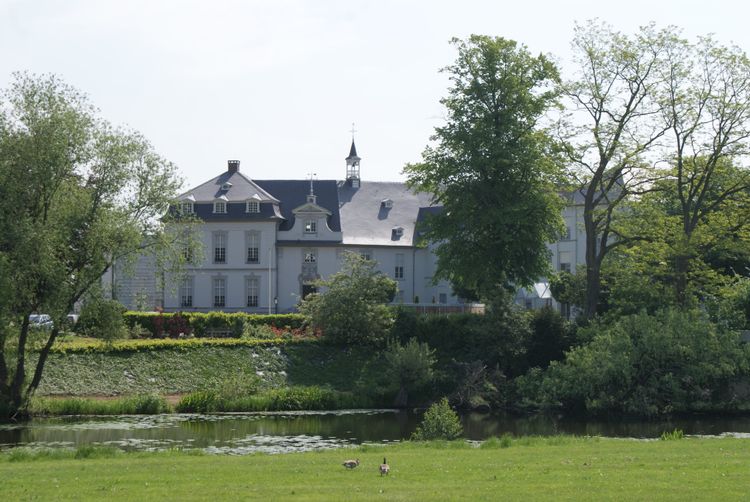
Julie Postel was a teacher in the fishing village of Barfleur in Normandy who taught children from poor families and took in orphans.
-
Nepomuk chapel
Nepomuk chapel
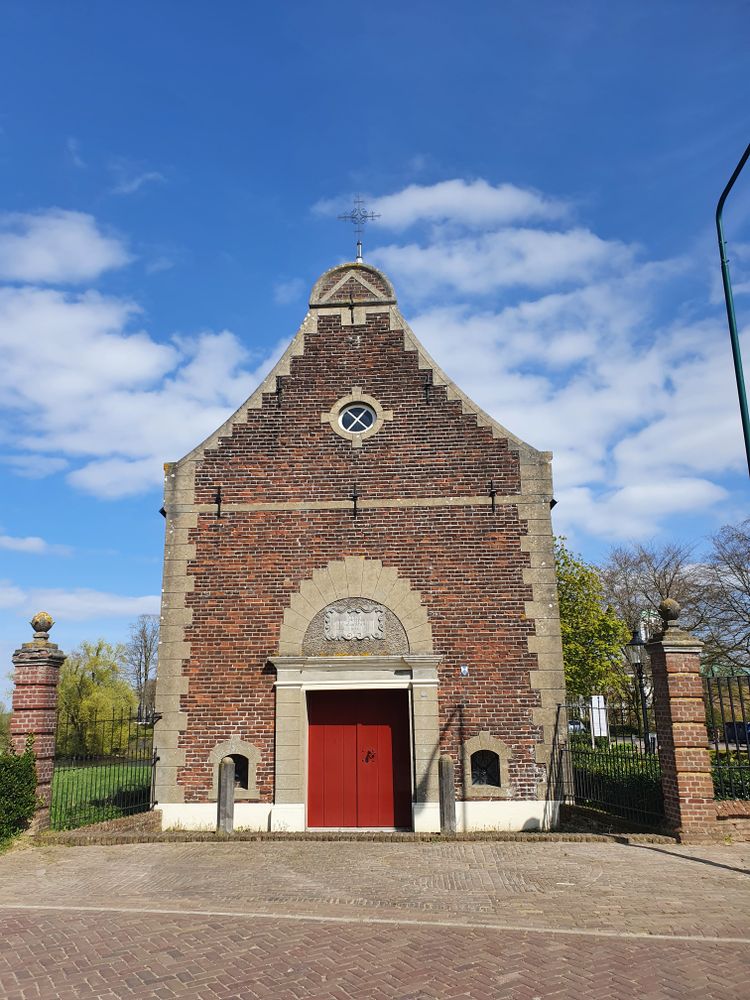
The Nepomuk chapel dates back to 1737 and was erected to replace the chapel inside the castle.
-
Carmelite Monastery
Carmelite Monastery
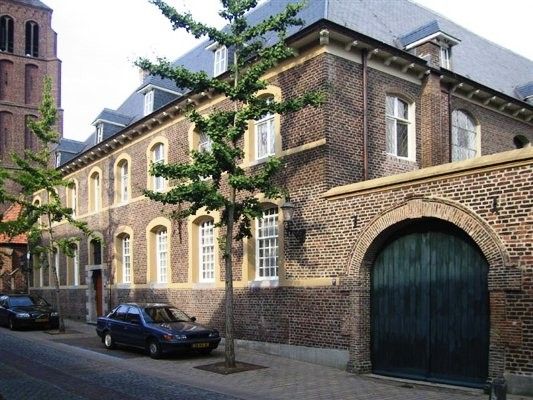
The Carmelite Monastery consists of four wings arranged around a cloister walk.
-
17
-
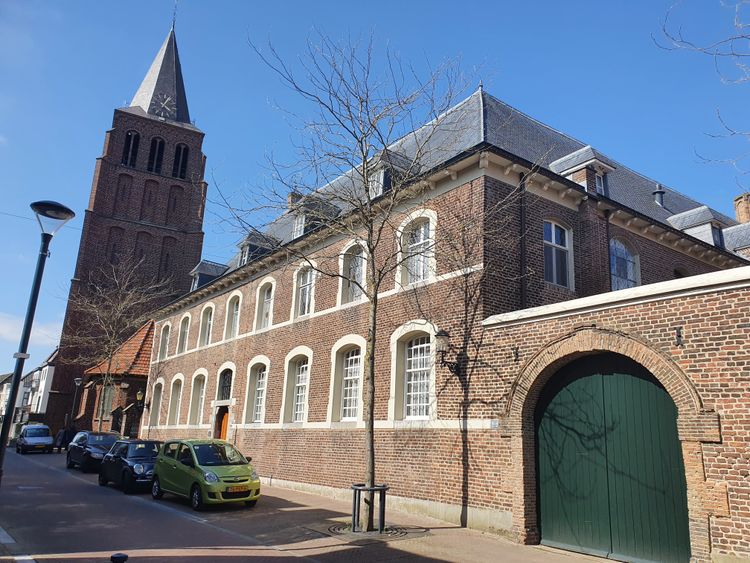
Carmelite Monastery Boxmeer
Carmelite Monastery Boxmeer
It is thanks to Count Albert of Bergh and Countess Madeleine of Cusance that there is a Carmelite monastery here.
-
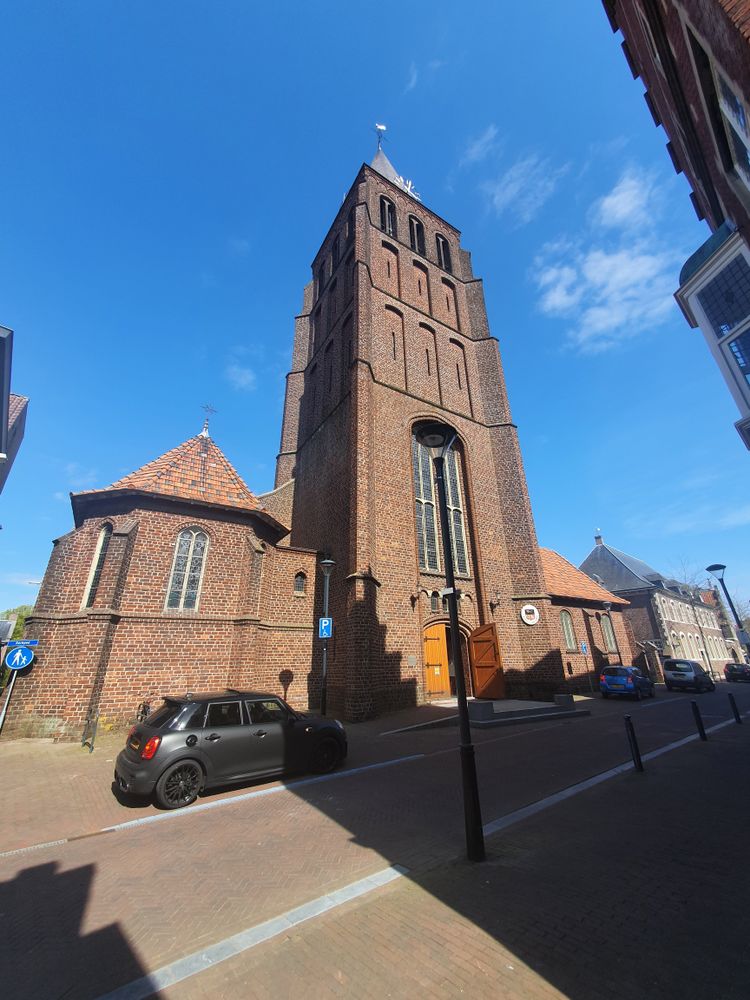
Saint Peter's Basilica
Saint Peter's Basilica
Saint Peter Basilica was built after the Second World War, after the previous church was completely destroyed in 1944.
-
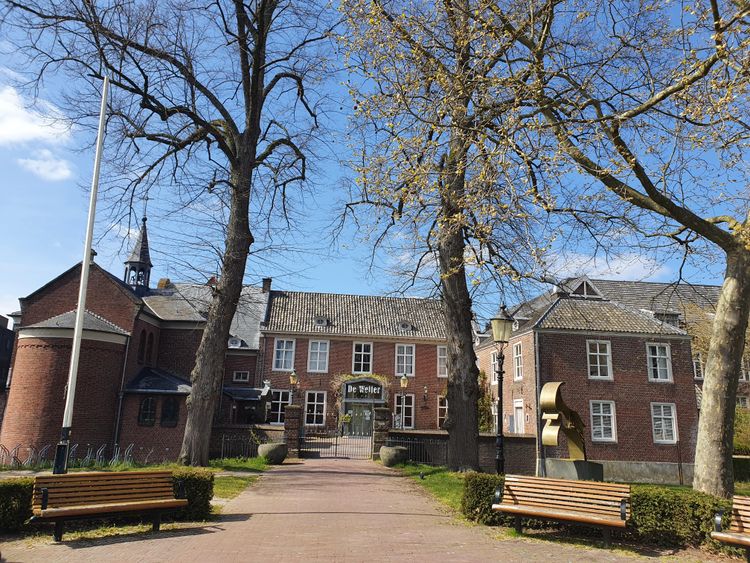
Former monastery De Weijer and Weijerpark
Former monastery De Weijer and Weijerpark
House De Weijer had a religious function from as early as the fifteenth century, being the house where the local vicar lived.
-
16
-
10
-
30
-
02
-
31
-
23
-
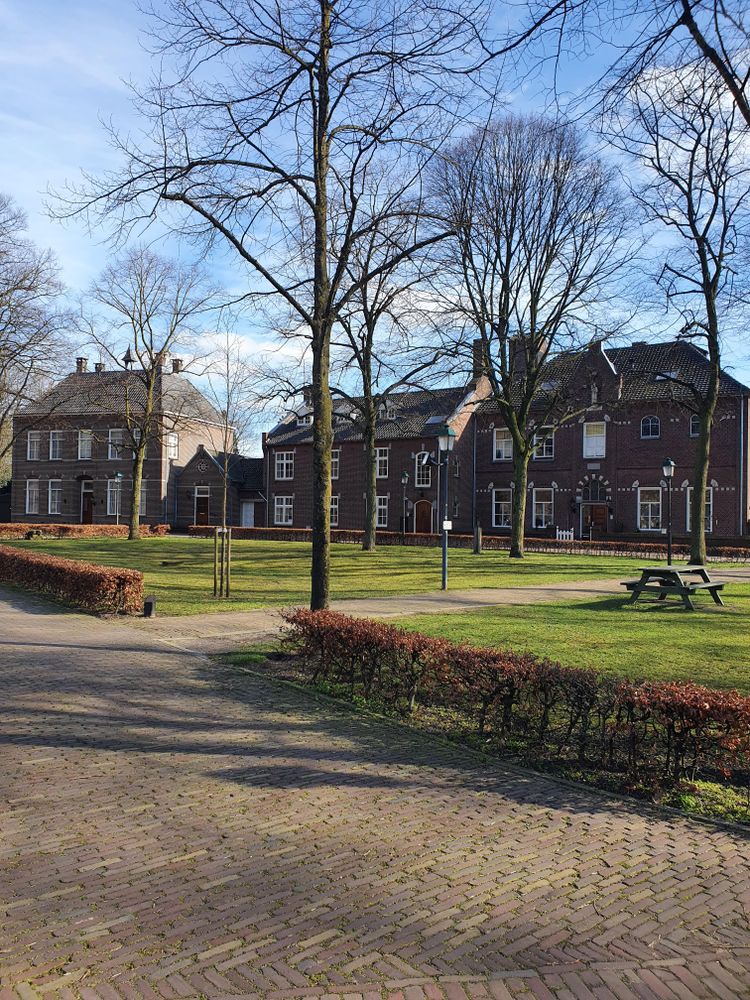
St. Anthony's Monastery
St. Anthony's Monastery
The St. Anthony Convent of the Sisters of Charity of Schijndel was founded on December 15, 1896.
-
98
-
97
-
96
-
St. Anthonis Forest
St. Anthonis Forest
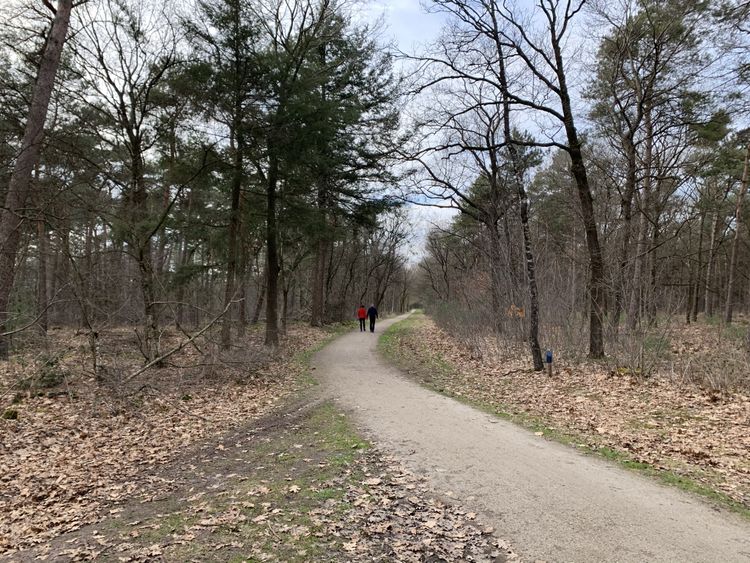
The St. Anthonis Forest, also known as De Staatsbossen, was established in the 1920s. Scots pines were planted there to support the tunnels in Limburg’s coal mines.
-
95
-
27
-
33
-
32
-
29
-
24
-
Procession Park
Procession Park
Behind the church, surrounding the "holy well," lies the Procession Park. It was laid out in 1908. It features neo-Gothic chapels depicting the Mysteries of the Rosary.

-
Huize Padua / De Kluis Museum
Huize Padua / De Kluis Museum
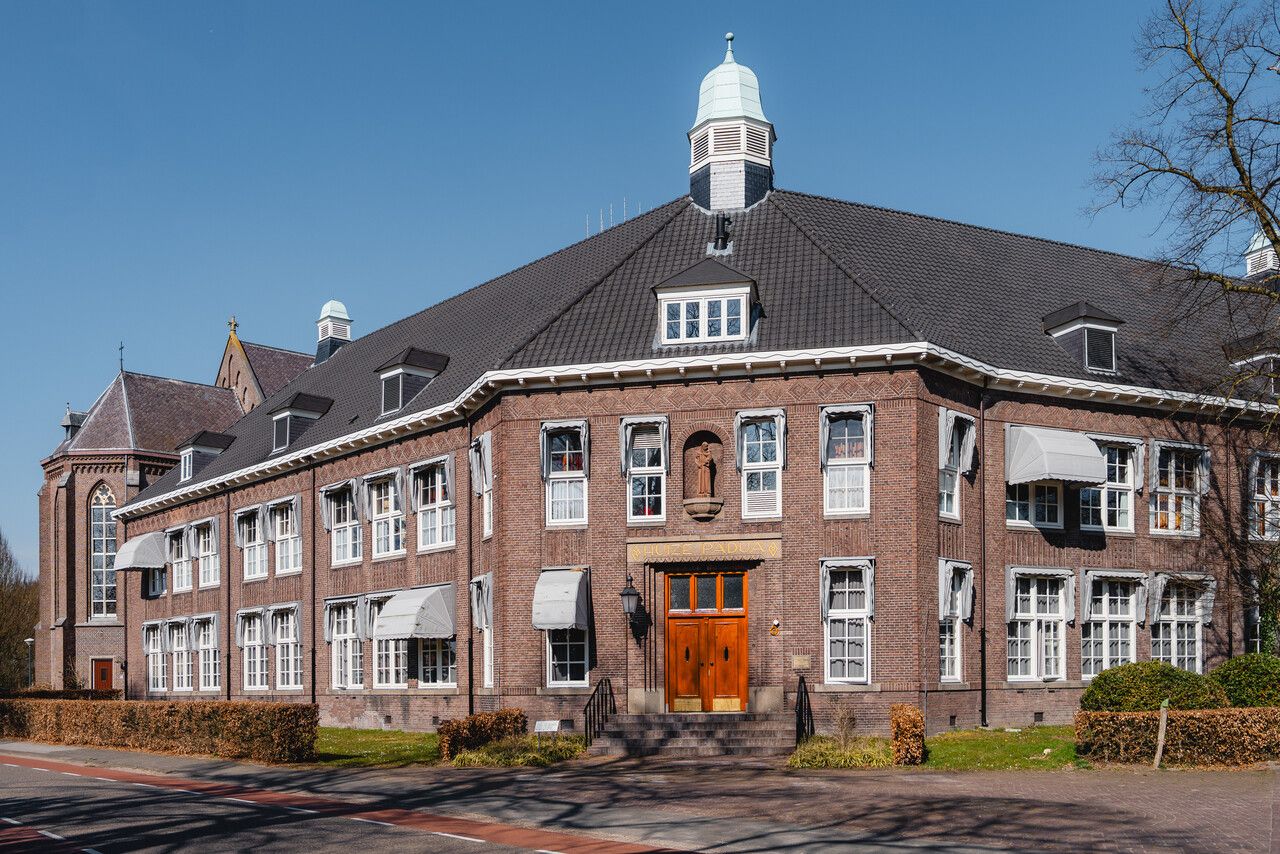
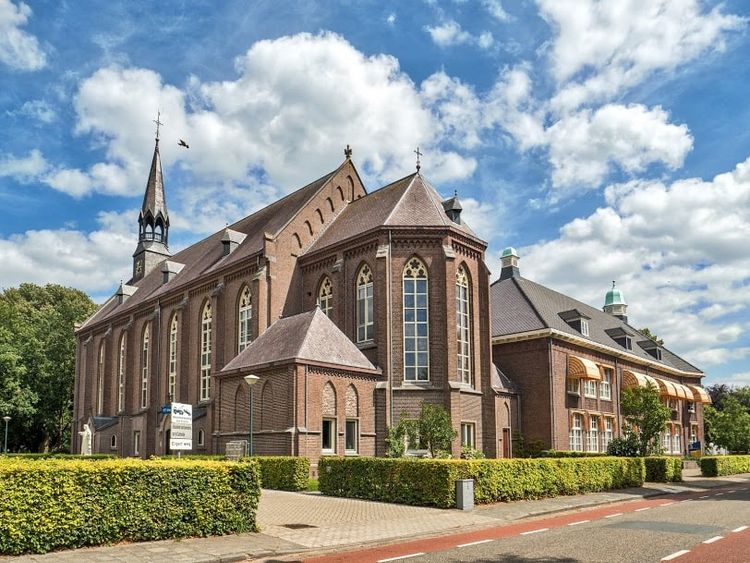
In the mid-18th century, a small group of religious brothers moved to Boekel. Their new home became known as Huize Padua, popularly referred to as De Kluis.
-
De Kluis Museum
De Kluis Museum
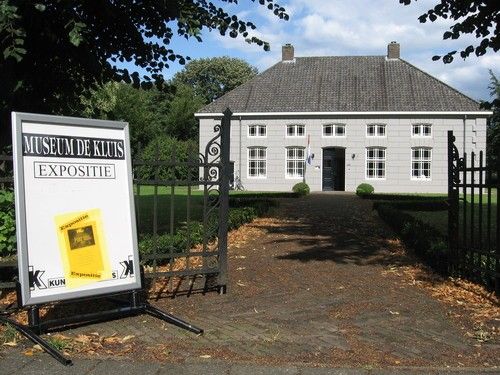
A museum dedicated to psychiatry, with a special focus on GGZ Oost Brabant and the Penitents Brothers.
-
51
-
Capuchin Monastery
Capuchin Monastery
Right next to Huize Padua stands yet another enormous monastery. This former Capuchin monastery was founded on the initiative of the rector of the Penitent Brothers of Huize Padua. Construction took place from 1848 to 1852.
-
14
-
50
-
Esdonk Chapel
Esdonk Chapel
The small chapel of Mary Magdalene is first mentioned in the 16th century. In 1695, the chapel was purchased by the steward of the Teutonic Order (a religious military order), and the current chapel was built.

-
30
-
75
-
Gerlachus van den Elsen roadside chapel
Gerlachus van den Elsen roadside chapel
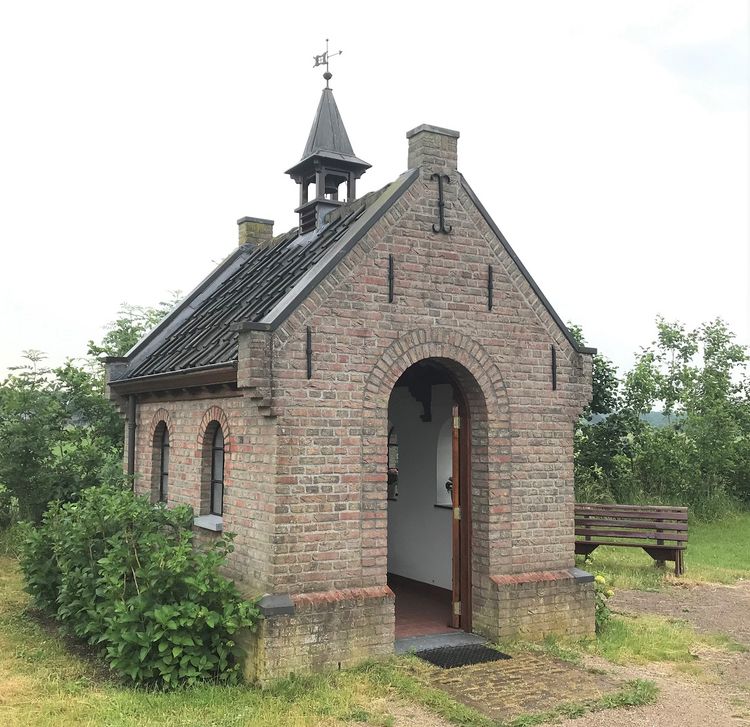
The Gerlachus van den Elsen roadside chapel is part of the Boerenbond Museum (farmers’ union museum). This Farmers' Museum shows the region’s farm life from around 1900.
-
St George's Chapel
St George's Chapel
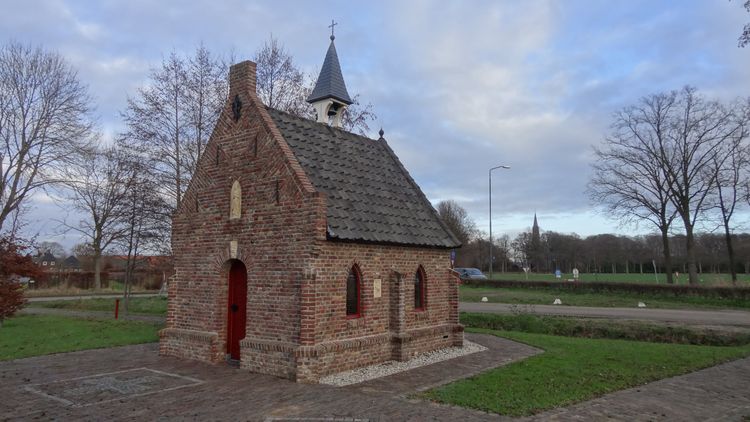
The Brabant guilds have strong ties with the Catholic faith, and many guilds in the De Peel region have their own chapel for their patron saint.
-
47
-
58
-
Kasteel Gemert
Kasteel Gemert
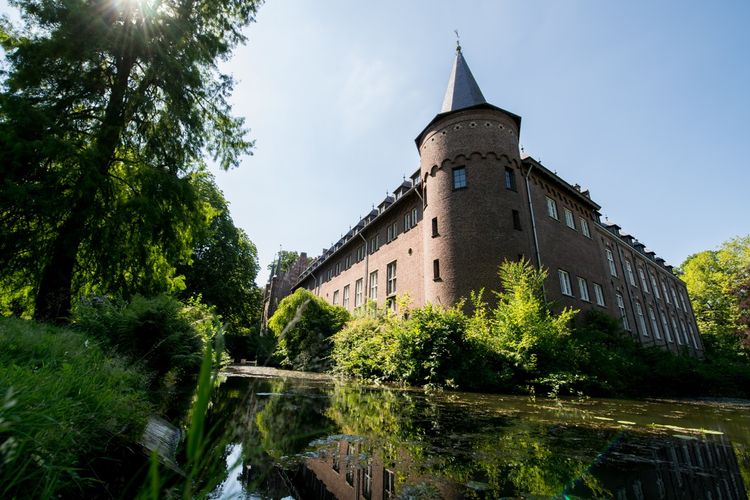
This large castle complex, complete with gardens and castle farms has had an eventful history. It was built by a very powerful religious order of knights that had amassed possessions across Europe.
-
Former Nazareth convent of the Franciscan Sisters of Oirschot
Former Nazareth convent of the Franciscan Sisters of Oirschot
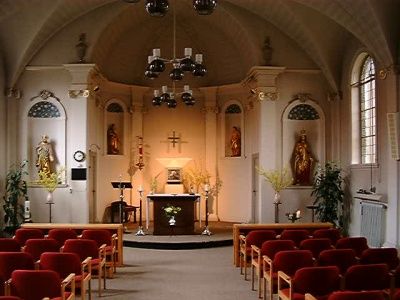
In 1848 the Franciscan Sisters of Oirschot moved into Borret House, the mansion to the right of the convent.
-
17
-
31
-
19
-
18
-
66
-
66
-
41
-
‘t Gulden Land Nature Reserve
‘t Gulden Land Nature Reserve
In the coming years, ‘t Gulden Land will be developed into a fully-fledged nature reserve.

-
Missionary Convent Heilig Bloed
Missionary Convent Heilig Bloed
Among the fields northeast of Aarle-Rixtel lies Missionary Convent Heilig Bloed (holy blood).
Kloosterdreef 7
5735 SJ Aarle Rixtel
Navigate to endpoint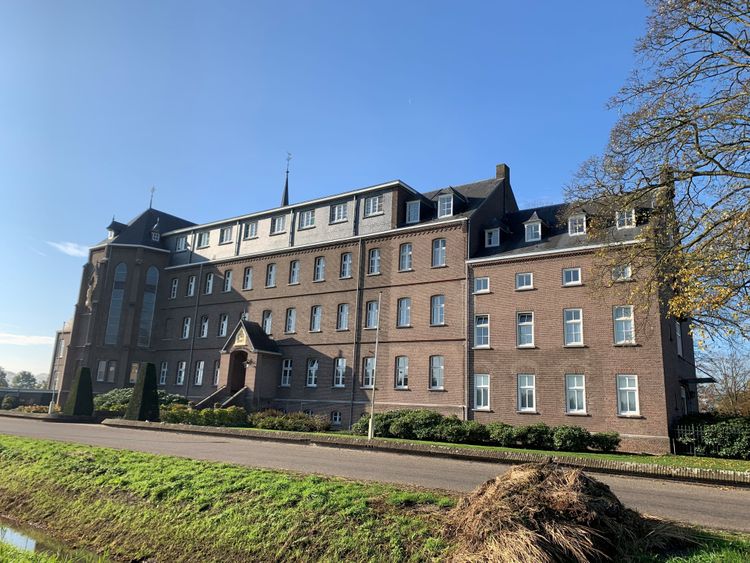
- 70
- 12
- 02
- 07
- 14
- 15
- 01
- 17
- 16
- 10
- 30
- 02
- 31
- 23
- 98
- 97
- 96
- 95
- 27
- 33
- 32
- 29
- 24
- 51
- 14
- 50
- 30
- 75
- 47
- 58
- 17
- 31
- 19
- 18
- 66
- 66
- 41
Route features
-
7 places to go in the Brabant countryside with children
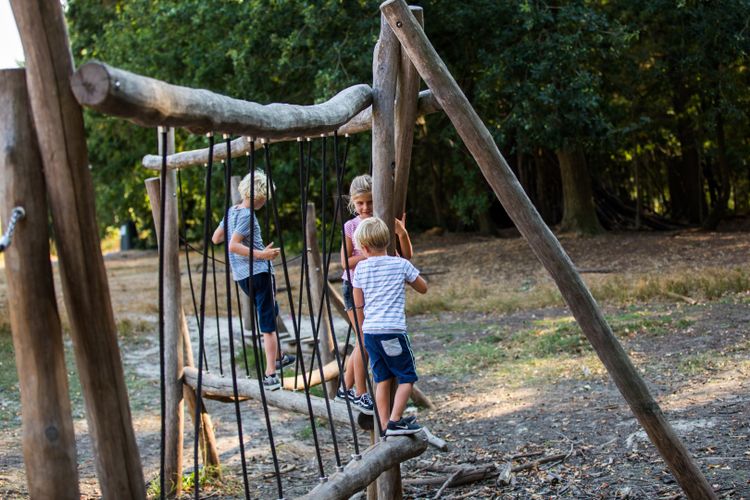
Adventure is there for the taking in the Brabant countryside. Getting some exercise, playing and being outdoors means quality time with the whole family. Follow fun children’s routes and gnome paths together.
-
From city to silence: a four-day cycling trip through North Brabant
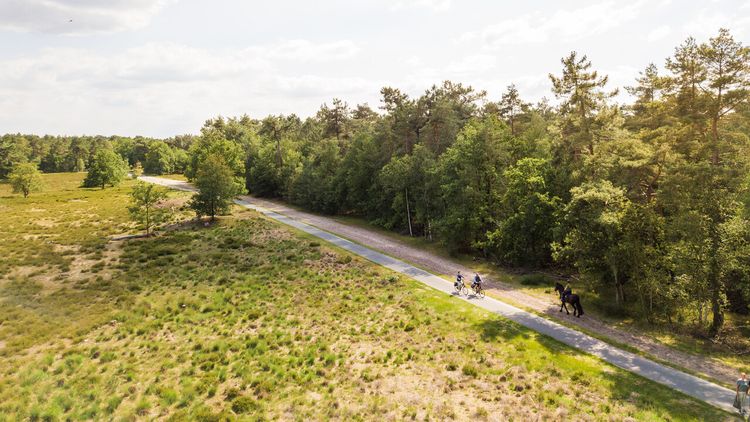
Make sure your e-bike is fully charged and get ready for a four-day cycling holiday with plenty of delicious spots to take a break.
-
A cultural city trip: Breda and surrounding area
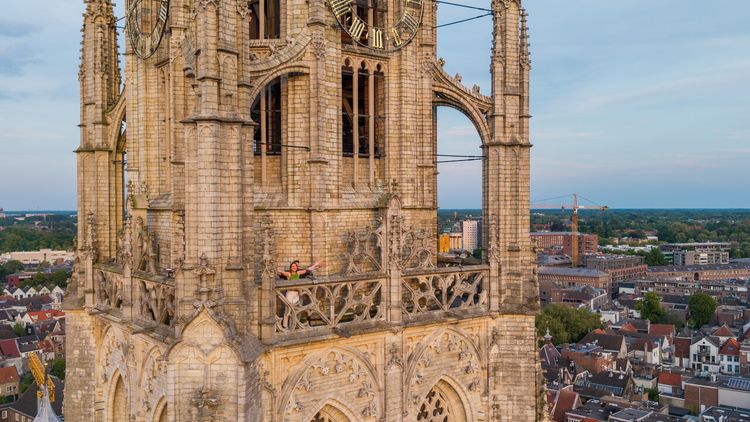
Breda is a city filled with unique stories, some of which you will learn about during this two-day trip.
-
From monastery gardens to drifting sand dunes: a 5-day motorhome road trip through the Van Gogh National Park
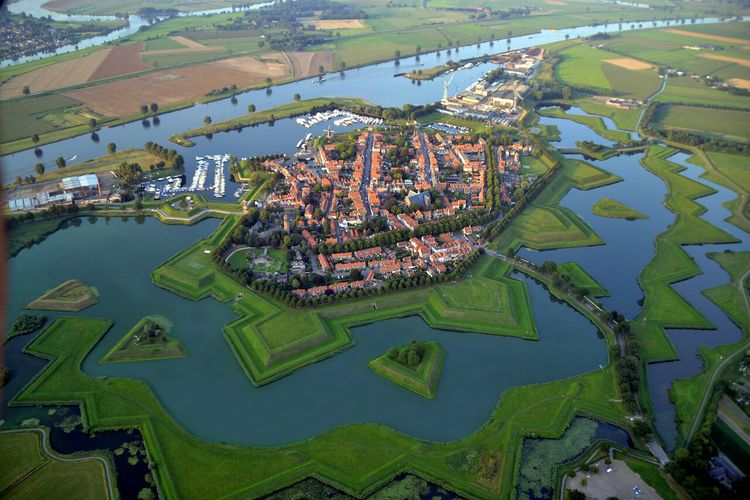
Hike and cycle through Van Gogh National Park on a 5-day east–west route. Discover nature, local flavours, and stories, with welcoming motorhome stops near monasteries, castles, woods, dunes, and lively Brabant towns.
-
A long weekend of surprises in the heart of Brabant
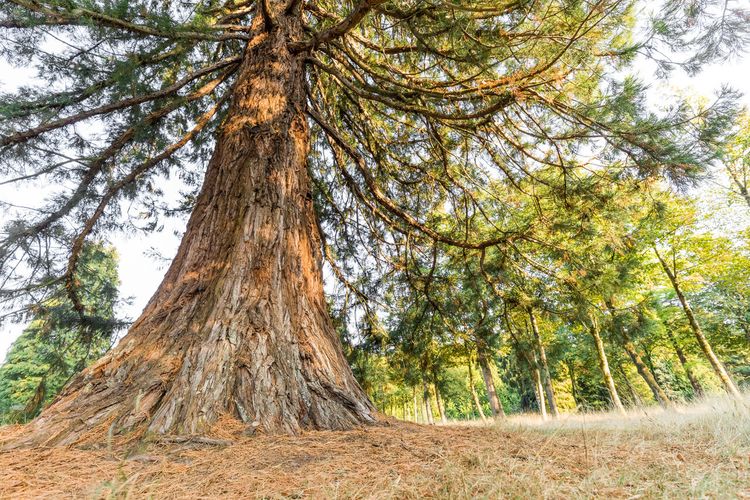
Allow yourself three days to be amazed by a part of North Brabant between Tilburg and Esbeek, close to the Belgian border.
-
7 times UNESCO in North Brabant
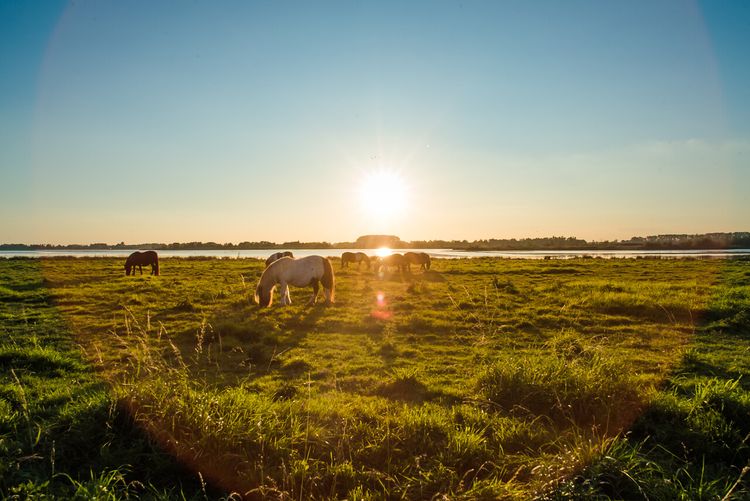
UNESCO is best known for the World Heritage List. But UNESCO also recognises heritage in other areas, which means you will encounter UNESCO sites also in North Brabant.
-
Slow travel along the best parts of the Land van de Peel
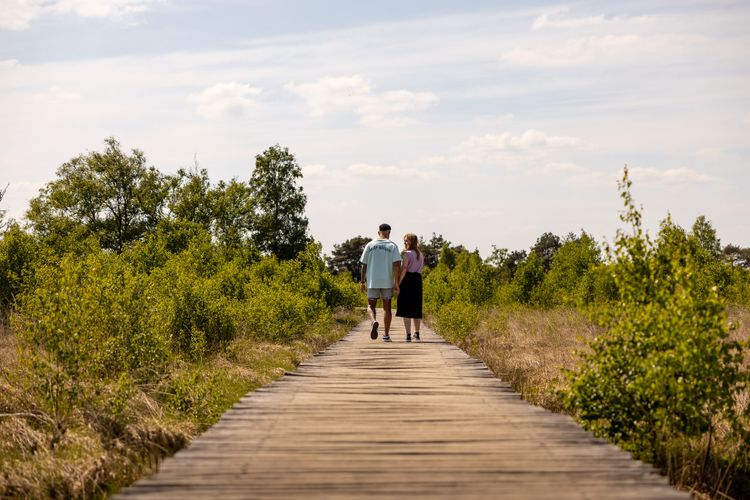
A region where the heart beats to the unmistakable Brabant hospitality, individuality, and passion for enjoying life in a way that only the people of Brabant know how to do.
-
Cycling in the footsteps of Philips and Van Gogh in Eindhoven
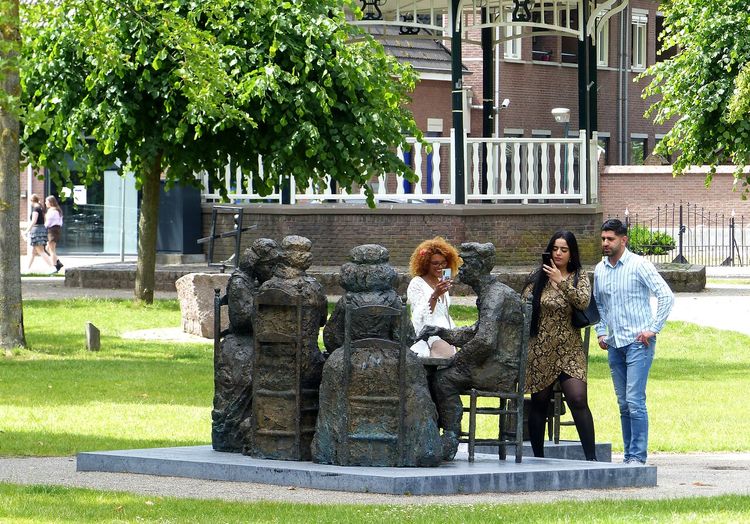
Anyone exploring North Brabant will sooner or later follow in the footsteps of local icons. These are sure to include the Philips brothers and Vincent van Gogh, the master painter.
-
Cycling past the highlights of the Brabantse Wal
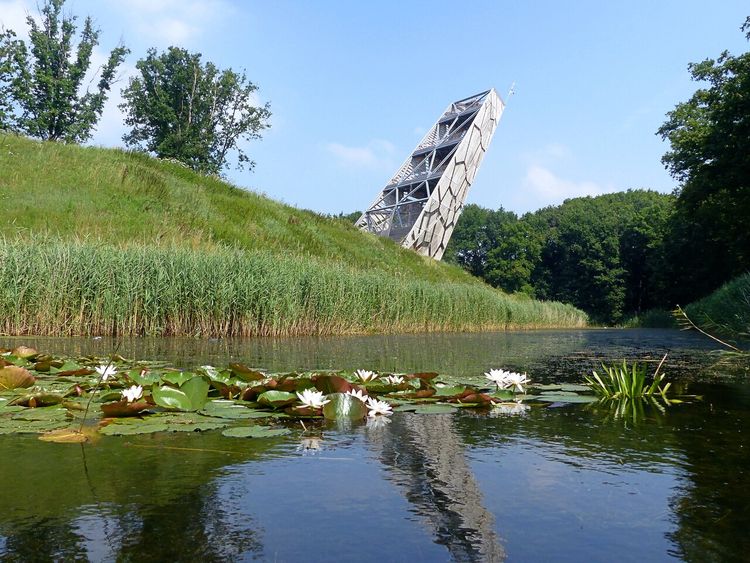
Sandwiched between Zeeland and the Belgian border lies the Brabantse Wal or Brabant Ridge – an area where the higher sandy ground merges into polders of marine clay soil. Let's explore this area by bicycle starting in the historic city, Bergen op Zoom.
-
A weekend of Van Gogh and New Dutch
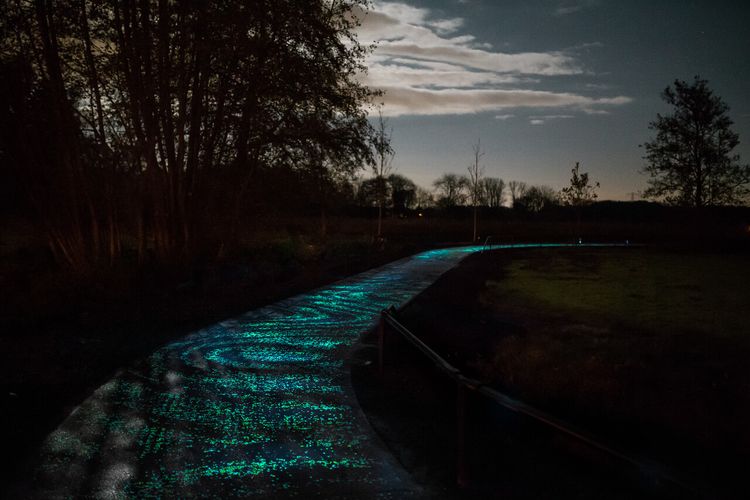
Innovative, persistent and just a bit of a rebel. Immerse yourself for a whole weekend in New Dutch in Eindhoven and cycle in the footsteps of Van Gogh to picturesque Nuenen.