
Walk Andreas Schotel Route
Walking in the countryside past beautiful works of art? Discover this 3 or 10-km walk in North Brabant.
Show all 5 photos
Andreas Schotel was a graphic artist from Rotterdam, who loved the Kempen region. This love inspired him to make many etchings in which he depicted Brabant farm life.
The thing that makes this walk so special is that Schotel’s work takes you through the development of agriculture in the 20th century. Gradually, manual labour disappeared from the fields and more and more machines were introduced. Andreas Schotel's work in turn inspired other artists who reimagined his etchings and created new works.
-
Signposting
Follow these signs and easily walk the route from one numbered junction to the next.
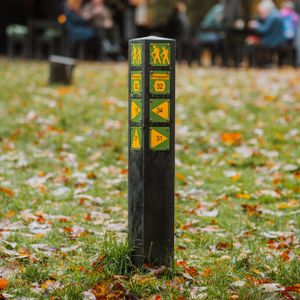
Signposting
Follow these signs and easily walk the route from one numbered junction to the next.
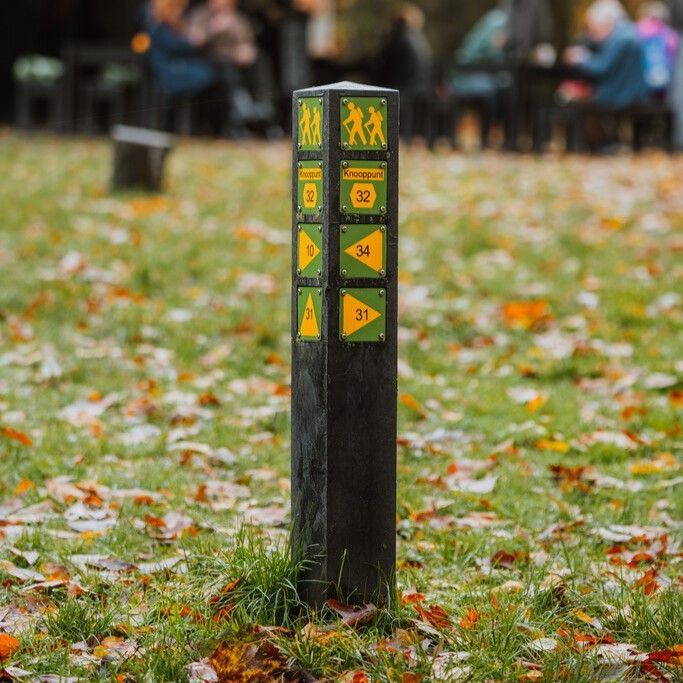
-
Hotline routes
Hotline routesIf there is something wrong on the route, report it here.
from Brabant residents
Skip map elementsLocations on this route
-
Start point:
Andreas Schotel binnen en buiten museum
Dorpsstraat 2
5085 EG Esbeek
Navigate to starting point -
90
-
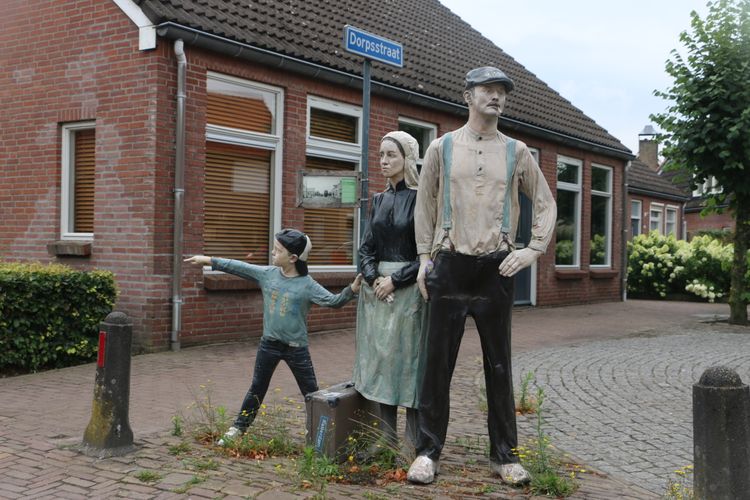
Sculpture: The Connection
Sculpture: The Connection
During his summer stay in Esbeek, the Rotterdam artist Andreas Schotel formed many friendships. He was often found among farming families, whom he captured vividly in his etchings and watercolors.
-
88
-
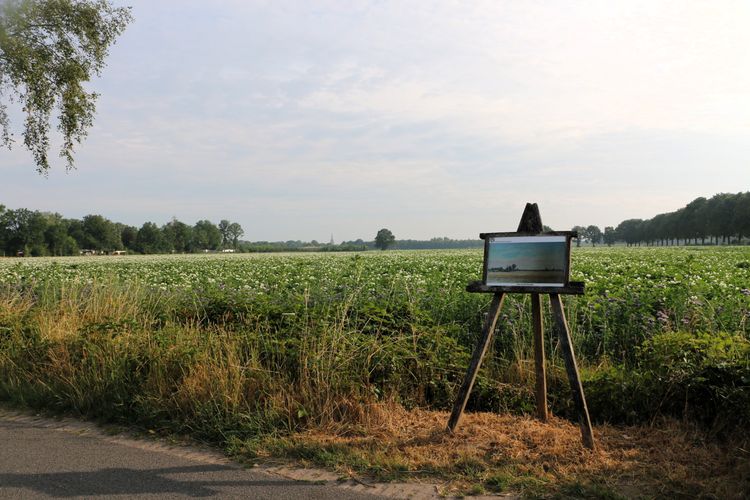
View of Hilvarenbeek
View of Hilvarenbeek
This watercolor by Andreas Schotel from the 1930s shows us a view of Hilvarenbeek.
-
91
-
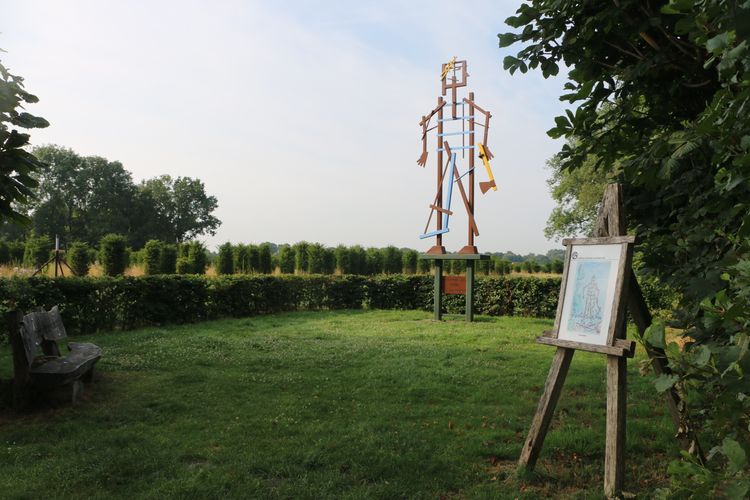
The Woodcutter
The Woodcutter
Andreas Schotel felt like a guest in Esbeek, and this inspired a certain modesty in him. In 1980, Andreas Schotel donated *The Woodcutter* to the Esbeek community as a token of appreciation for their hospitality.
-
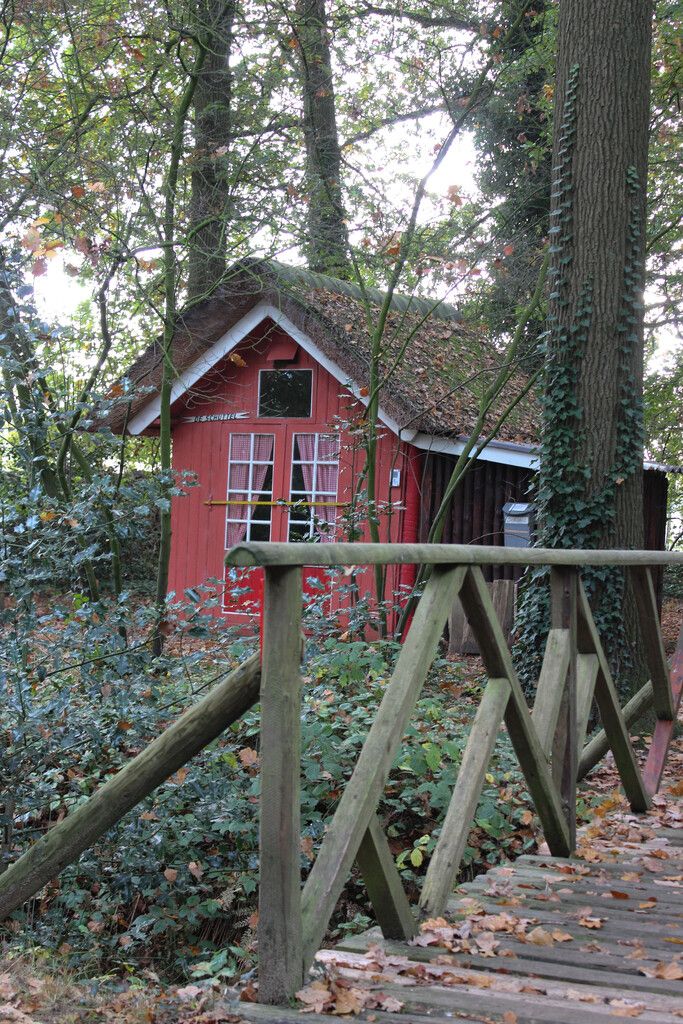
De Schuttel
De Schuttel
Schotel’s longing for Esbeek remained. This led him to decide in 1923 to move a garden cottage from Rotterdam to Esbeek. It was named “De Schuttel.”
-
93
-
70
-
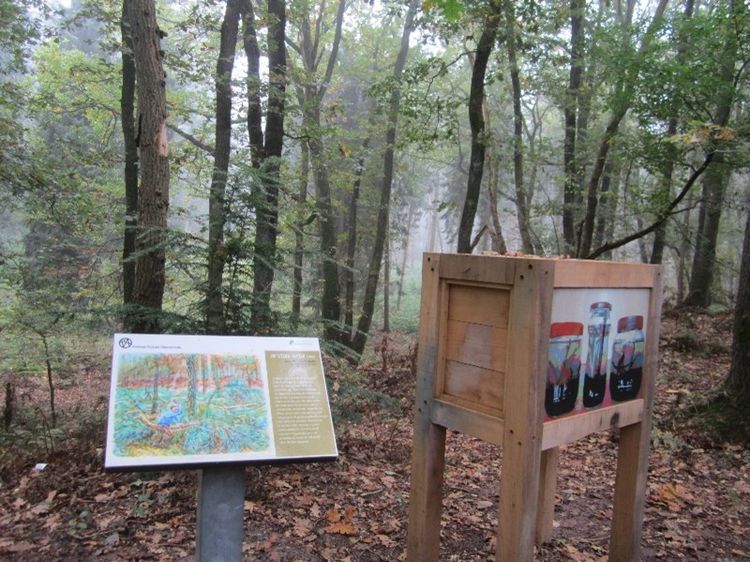
A Work of Art Preserved in Spirit
A Work of Art Preserved in Spirit
This artwork by artist Joost Oerlemans is inspired by a watercolor by Andreas Schotel. Oerlemans often played here, and it holds childhood memories for him.
-
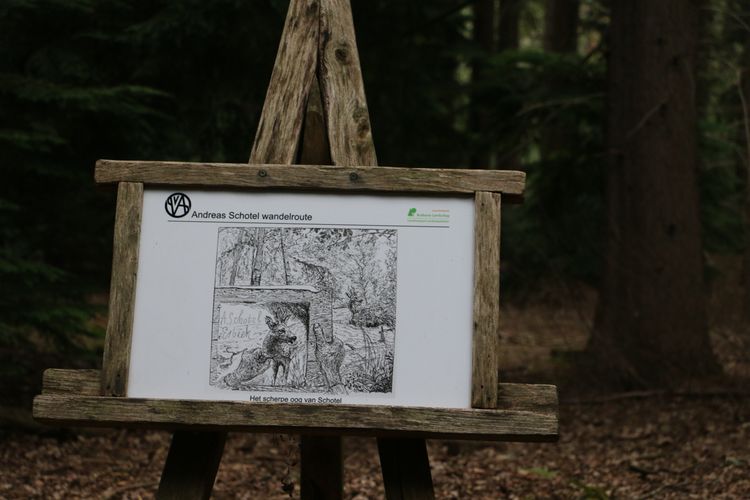
Schotel’s Keen Eye
Schotel’s Keen Eye
Schotel created etchings that beautifully capture the natural scenery of Brabant. What set him apart was his keen eye for detail. This is evident in this particular work.
-
38
-
36
-
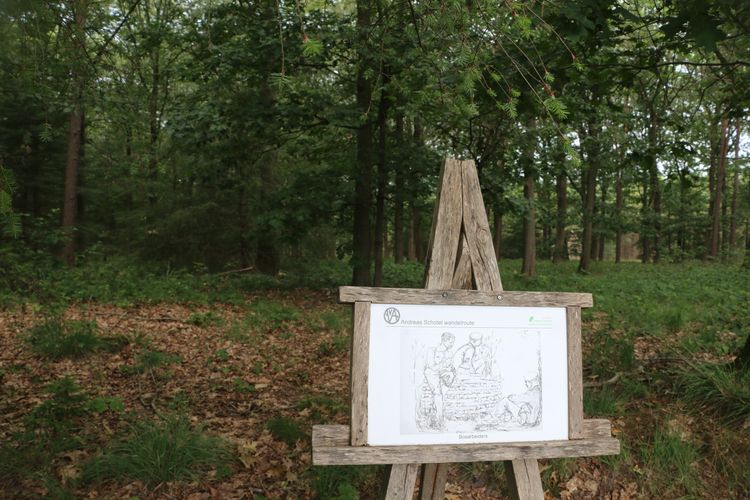
Sketch of the Forest Workers
Sketch of the Forest Workers
For Schotel, people working in Brabant’s agriculture and forestry were a constant source of inspiration.
-
35
-
15
-
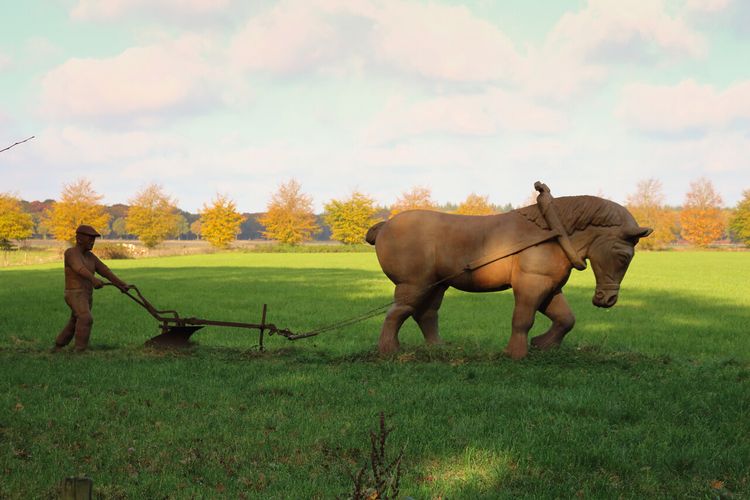
Rusty Horse-Drawn Carriage
Rusty Horse-Drawn Carriage
Here you can see the sculpture “Rusty Horse-Drawn Carriages” by Hannes Verhoeven, based on an etching by Andreas Schotel.
-
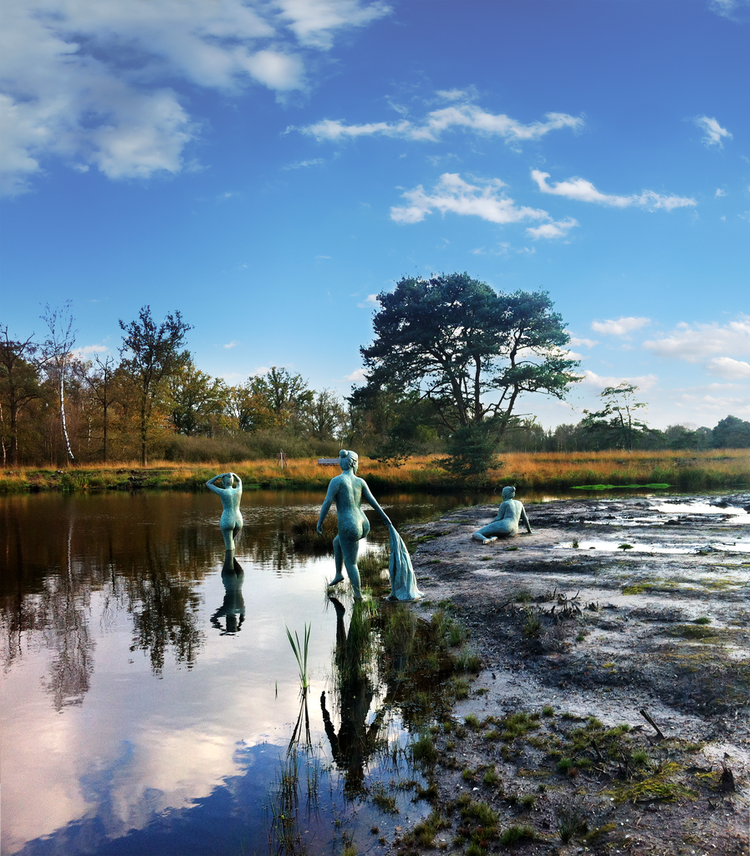
Bather in Broekeling
Bather in Broekeling
Andreas Schotel is best known for his etchings of Rotterdam and Brabant, but the female nude is also a recurring theme throughout his oeuvre.
-
16
-
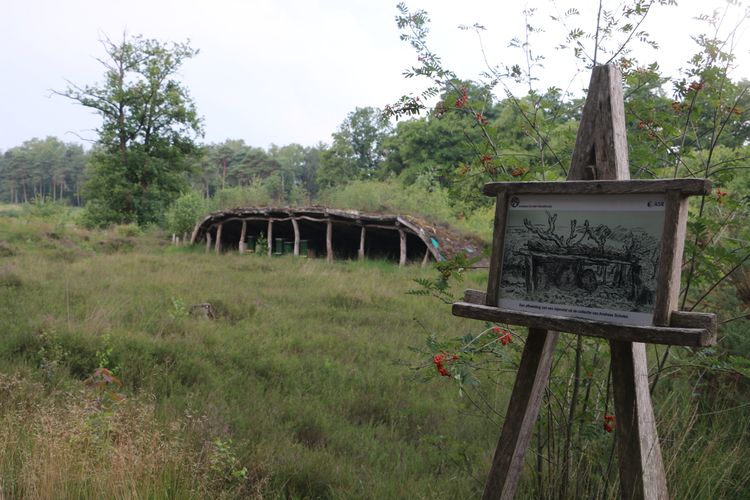
The Bee Fort
The Bee Fort
In 2017, the Volunteer Group of Landgoed de Utrecht built a “bee fort” here near the Broekeling, on the site where one is believed to have stood in the early Middle Ages.
-
57
-
56
-
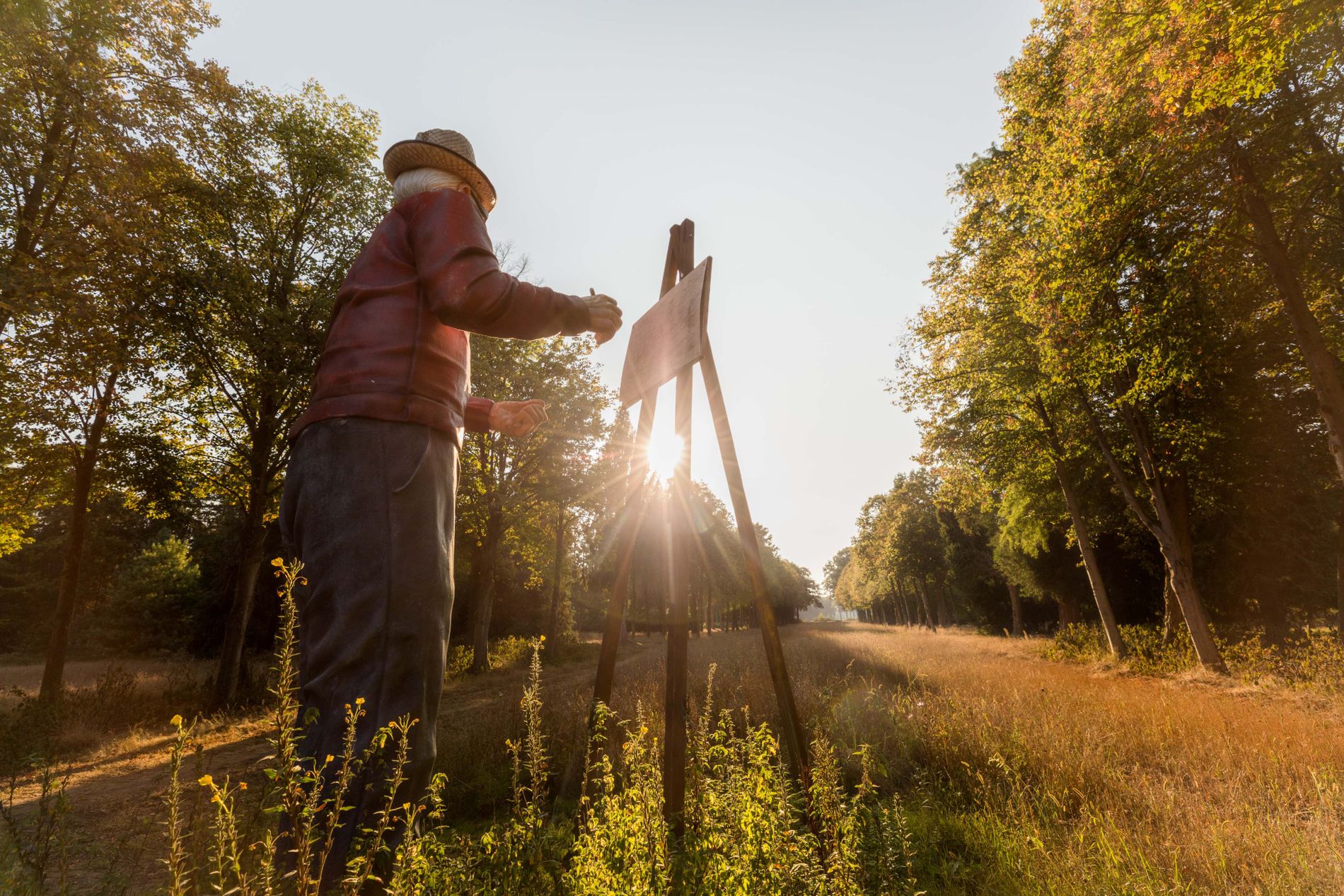
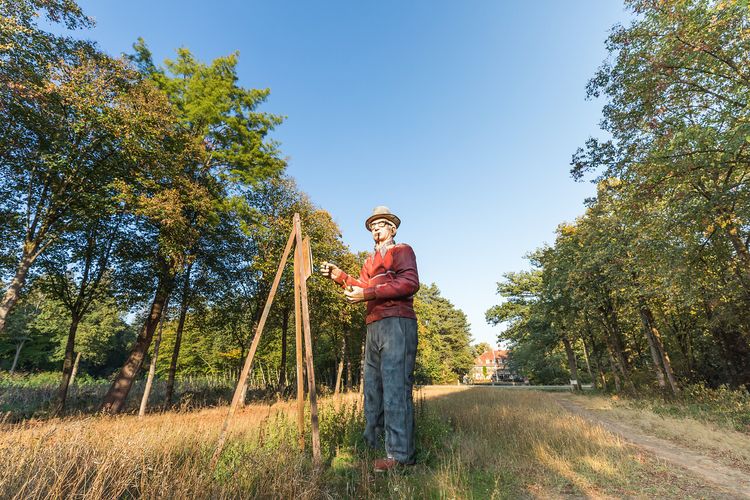
Encounter with the Master
Encounter with the Master
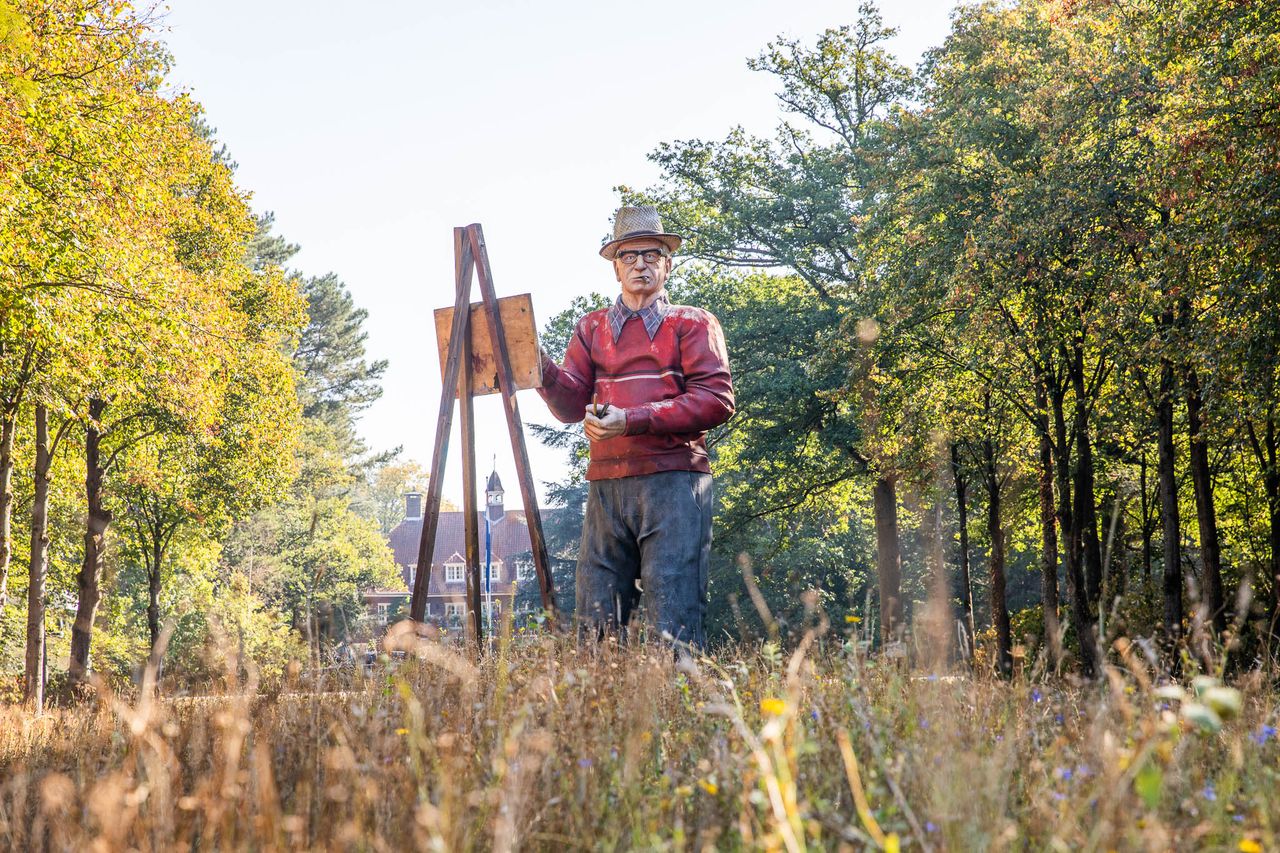
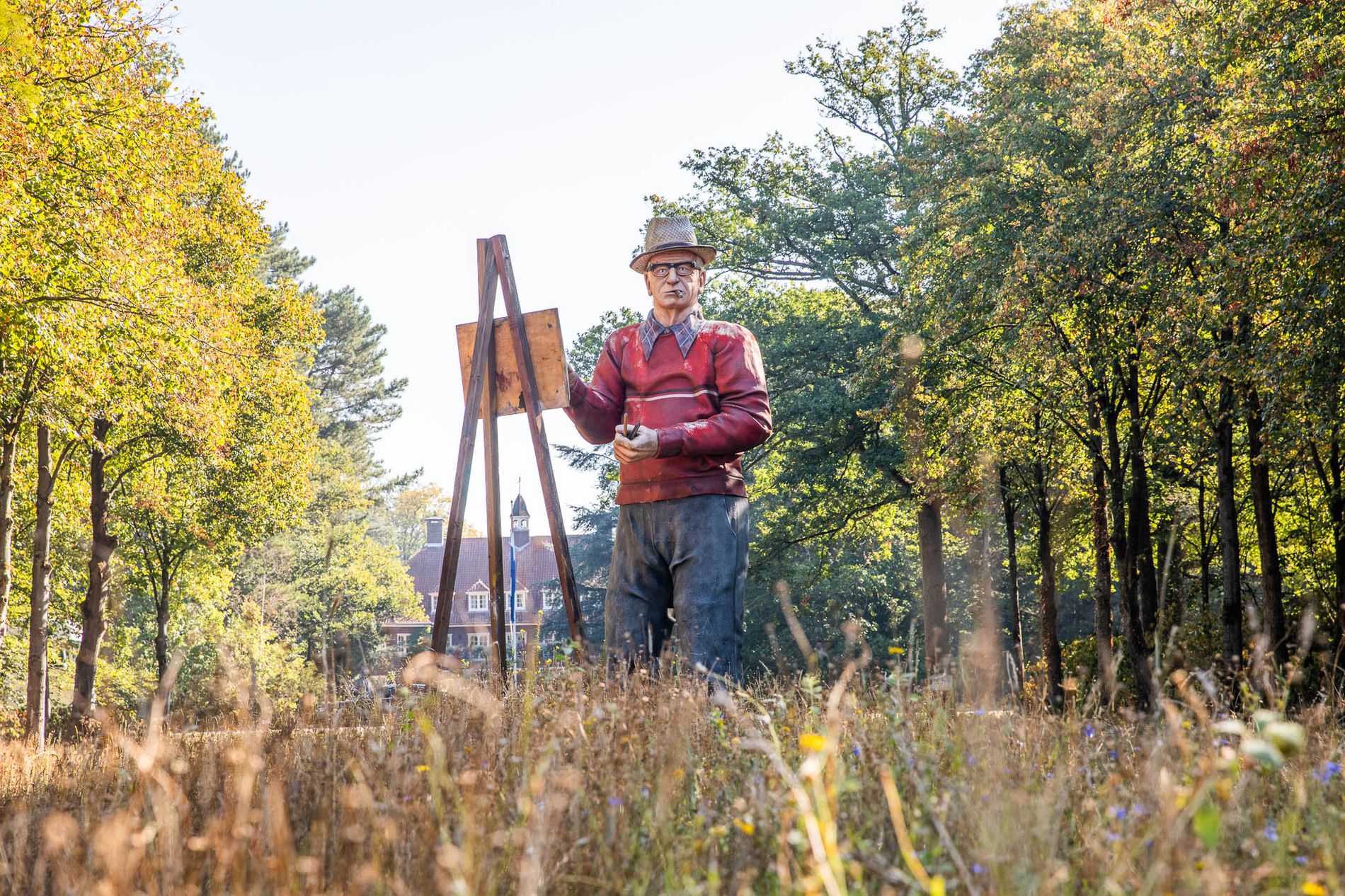
This artwork is also by Hannes Verhoeven. He has chosen a realistic style that places the figure of Andreas Schotel back in its original context.
-
87
-
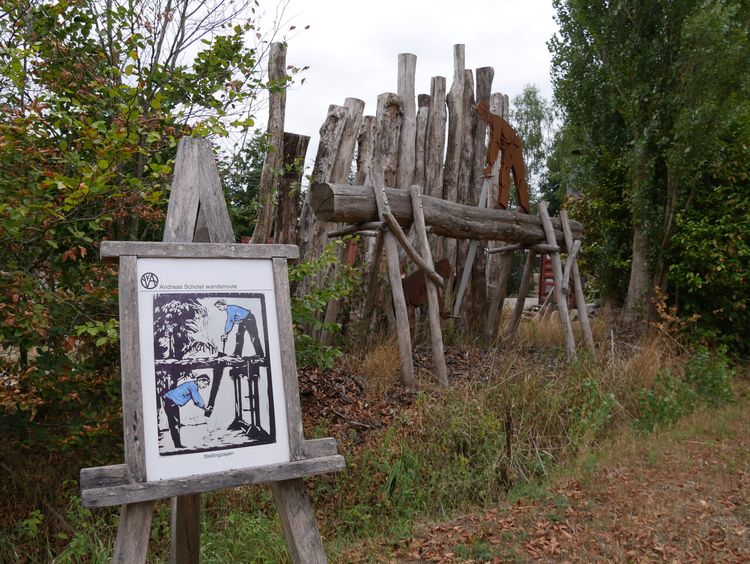
Artwork: Frame Sawing
Artwork: Frame Sawing
When Andreas Schotel arrived in Esbeek, wood sawing was still done entirely by hand: the so-called “frame sawing” method was common at the time.
-
59
-
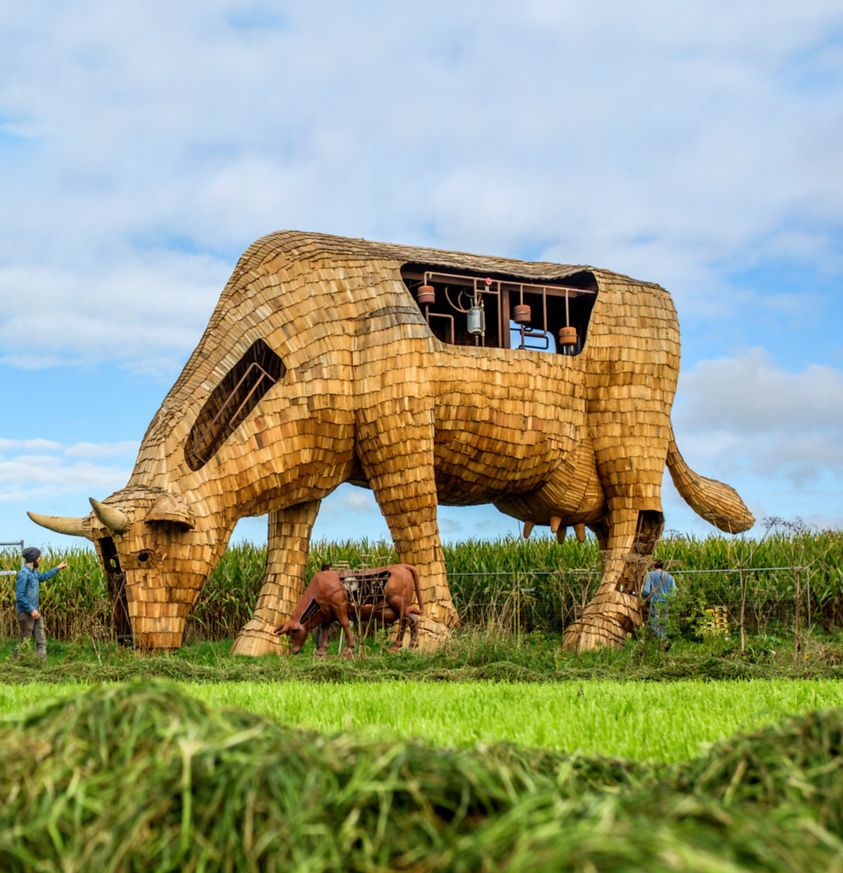
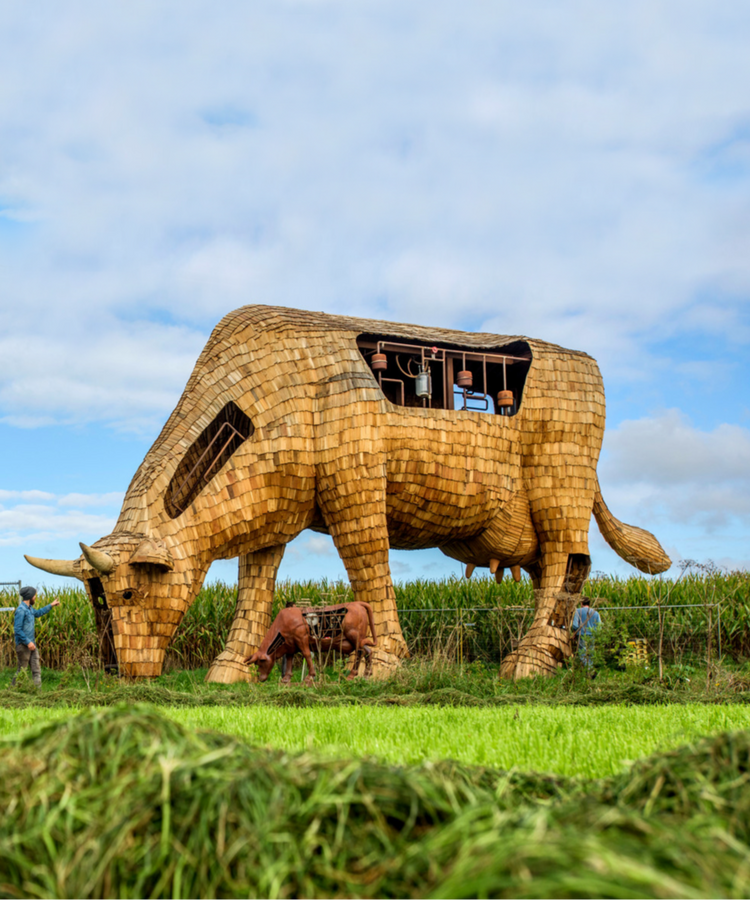
The Milk Factory
The Milk Factory
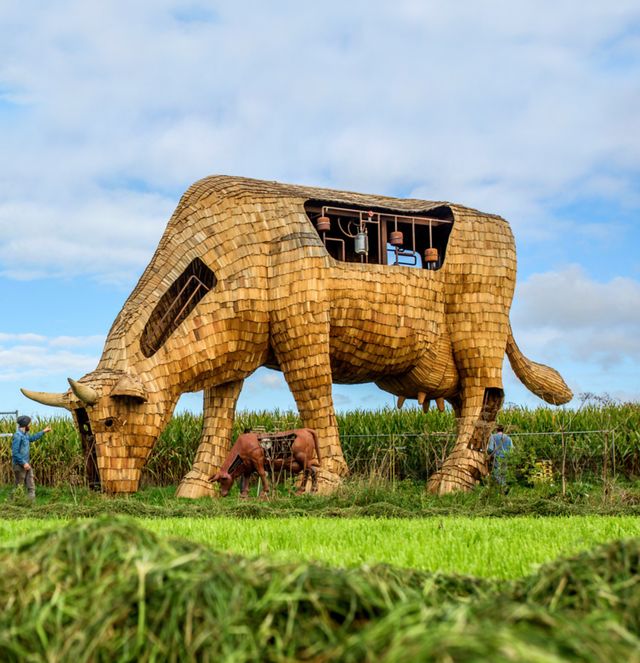
During his time in Esbeek, Andreas Schotel observed mechanization having an ever-greater impact on the landscape.
-
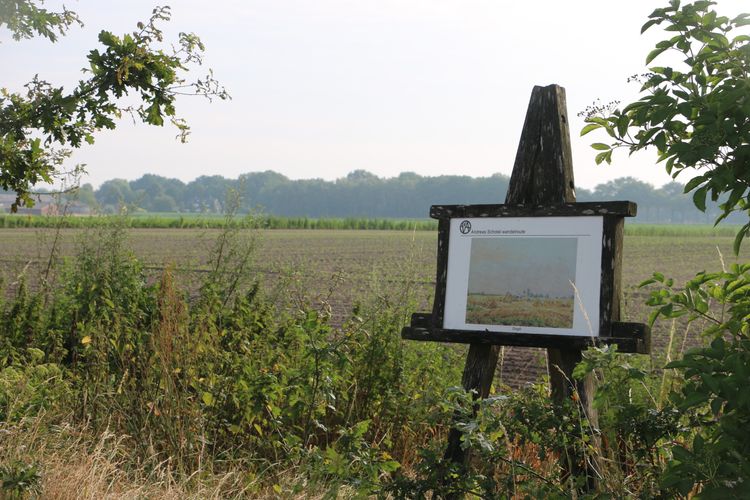
Watercolor Harvest
Watercolor Harvest
Schotel’s art was naturalistic. Many of his works depict the landscape and people at work. He was accepted in Esbeek because he had a genuine interest in working people.
-
89
-
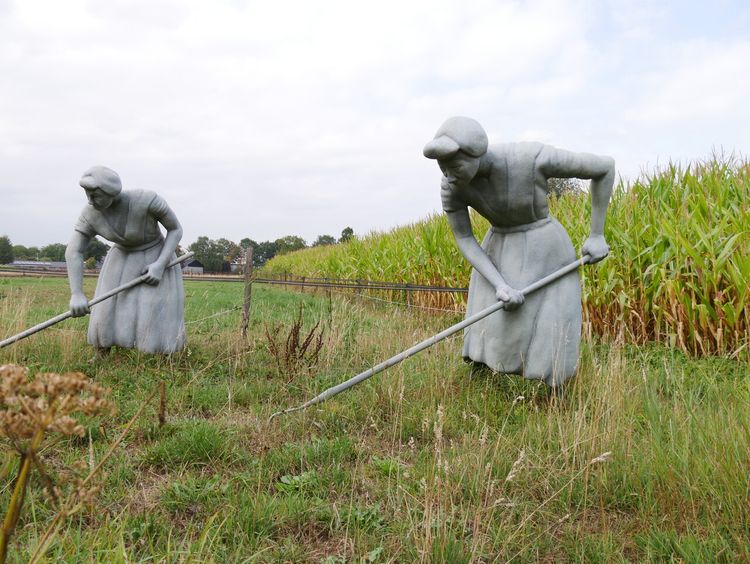
Sculptures as if they had never left
Sculptures as if they had never left
After the reclamation of the De Utrecht estate, several farming families from Zeeland moved to Esbeek. The farmwomen, in particular, stood out in the fields of Esbeek with their traditional Zeeland attire.
-
88
-
90
-
End point:
Andreas Schotel binnen en buiten museum
Dorpsstraat 2
5085 EG Esbeek
Navigate to endpoint
- 90
- 88
- 91
- 93
- 70
- 38
- 36
- 35
- 15
- 16
- 57
- 56
- 87
- 59
- 89
- 88
- 90
Route features
-
11 dog-friendly places to eat and drink amid the North Brabant countryside
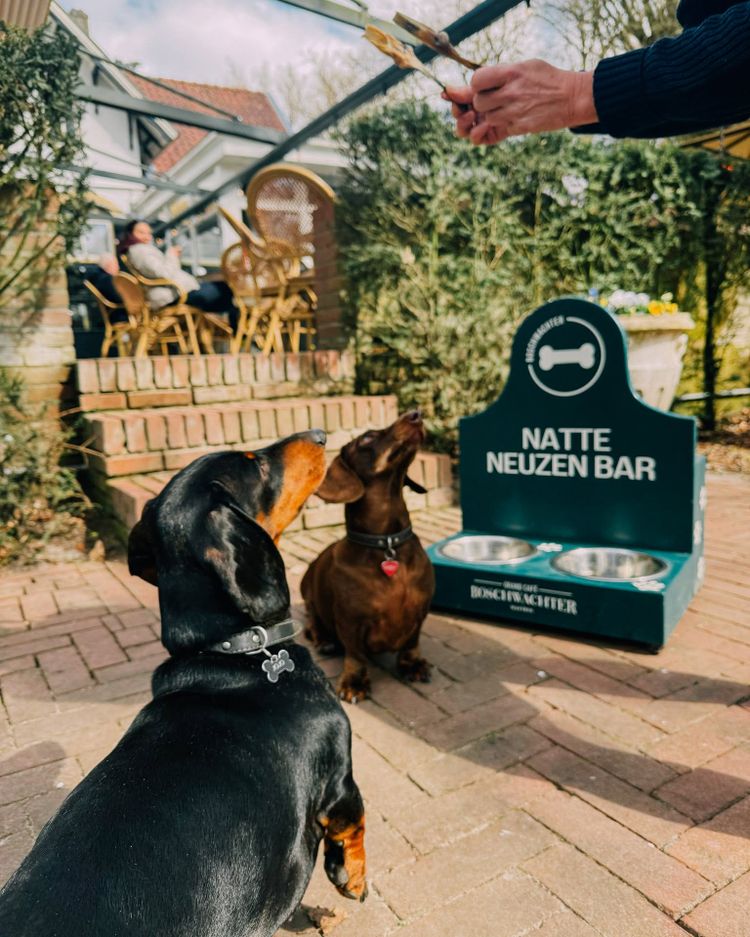
In North Brabant there are plenty of places to eat and drink where dogs are just as welcome as their owners. From bowls of water and dog biscuits to special dog menus, at these 11 locations you and your dog can enjoy the countryside and the hospitality.
-
8 things to do with children in North Brabant
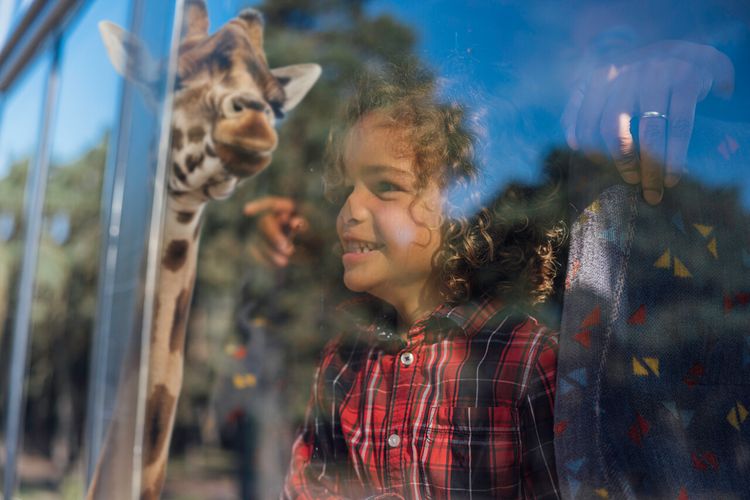
North Brabant is a location that draws you closer to those unforgettable moments with the entire family. Will you choose a swimming paradise, an amusement park or a childproof museum? Plan your ideal family outing in the Netherlands in North Brabant.
-
7 places to go in the Brabant countryside with children
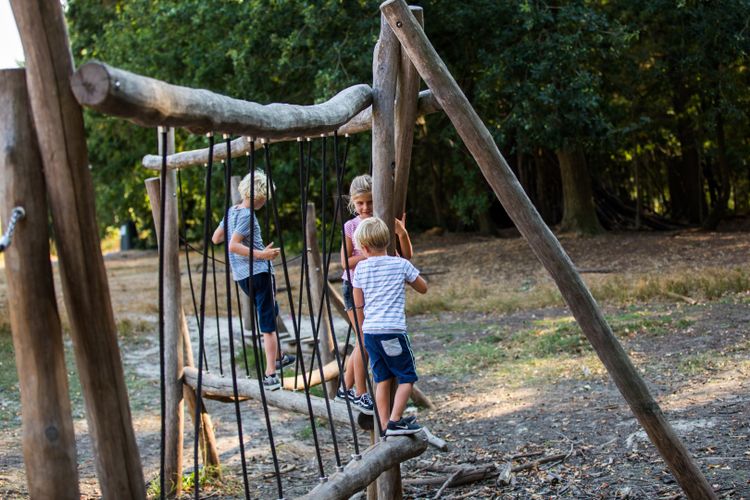
Adventure is there for the taking in the Brabant countryside. Getting some exercise, playing and being outdoors means quality time with the whole family. Follow fun children’s routes and gnome paths together.
-
Tips for a sustainable weekend away or day out in North Brabant
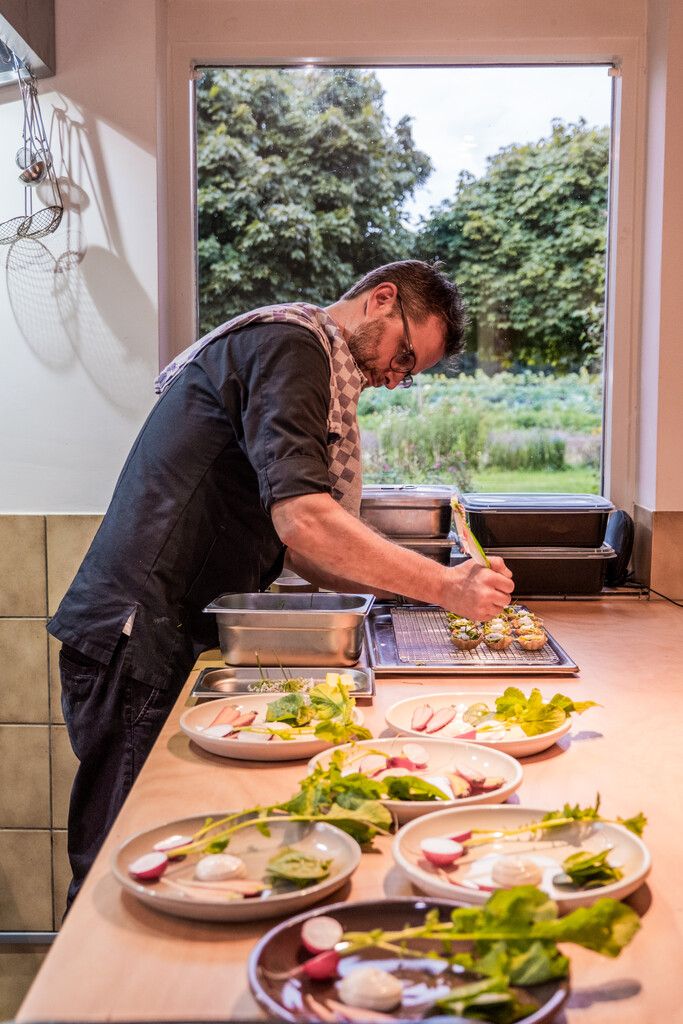
Does travelling actually fit within a sustainable lifestyle? Yes, it does! Often, small adjustments can make a huge difference.
-
A cultural city trip: Breda and surrounding area
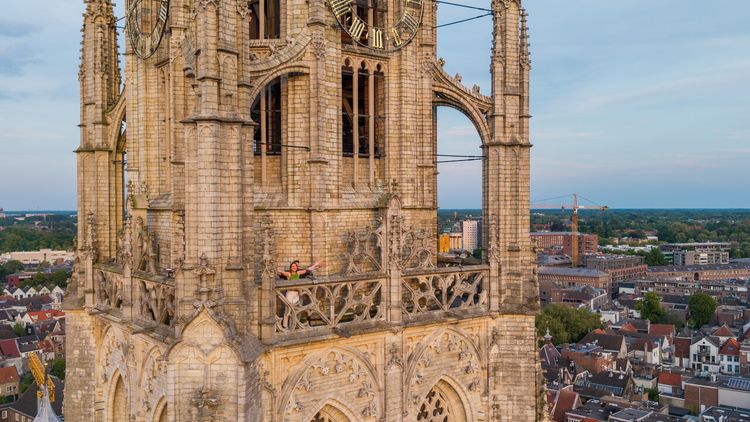
Breda is a city filled with unique stories, some of which you will learn about during this two-day trip.
-
From monastery gardens to drifting sand dunes: a 5-day motorhome road trip through the Van Gogh National Park
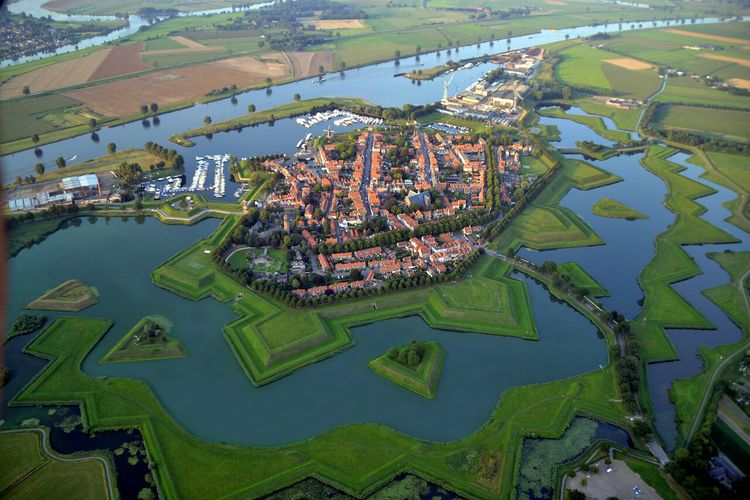
Hike and cycle through Van Gogh National Park on a 5-day east–west route. Discover nature, local flavours, and stories, with welcoming motorhome stops near monasteries, castles, woods, dunes, and lively Brabant towns.
-
Reflection and wonder on a two-day walking trail
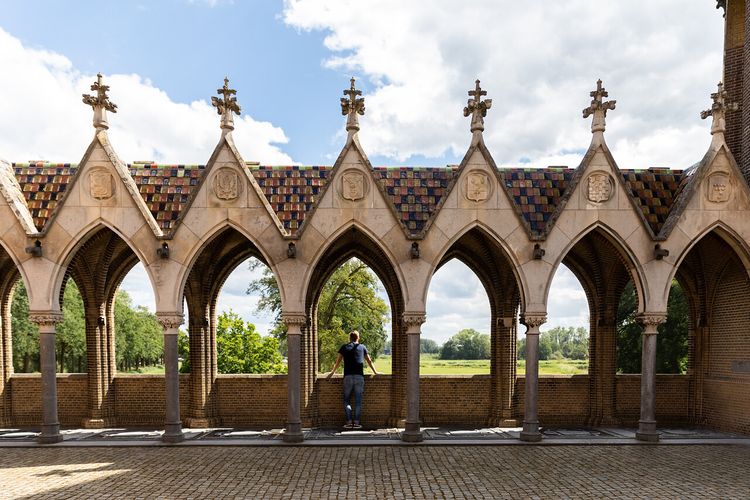
For centuries, Brabant’s countryside has inspired monks and Van Gogh. Follow their footsteps on a 2-day walk past monasteries, abbeys, and the Oisterwijk Forests & Fens, with a night in the peaceful countryside.
-
A weekend for slowing down in North Brabant
Two days of wandering through monasteries, castles, forts and fortified cities with plenty of time along the way for culinary enjoyment at creative food hotspots – this is possible in North Brabant.
-
A long weekend of surprises in the heart of Brabant
Allow yourself three days to be amazed by a part of North Brabant between Tilburg and Esbeek, close to the Belgian border.
-
7 times UNESCO in North Brabant
UNESCO is best known for the World Heritage List. But UNESCO also recognises heritage in other areas, which means you will encounter UNESCO sites also in North Brabant.