
Brabant Monastery Trail: circular tour Oosterhout
Combine the dynamics of the city with the quiet of the countryside on this walking route past three monastery complexes.
Show all 6 photos
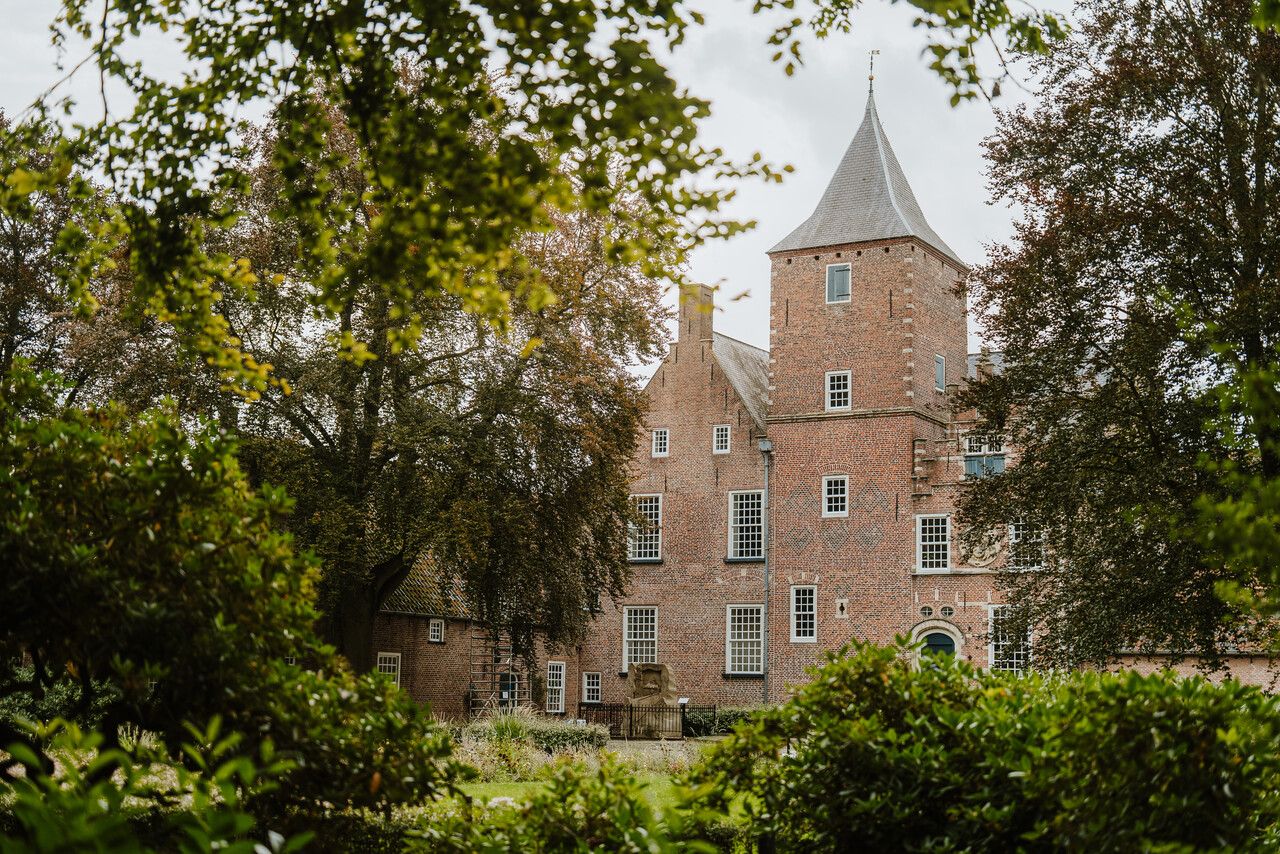
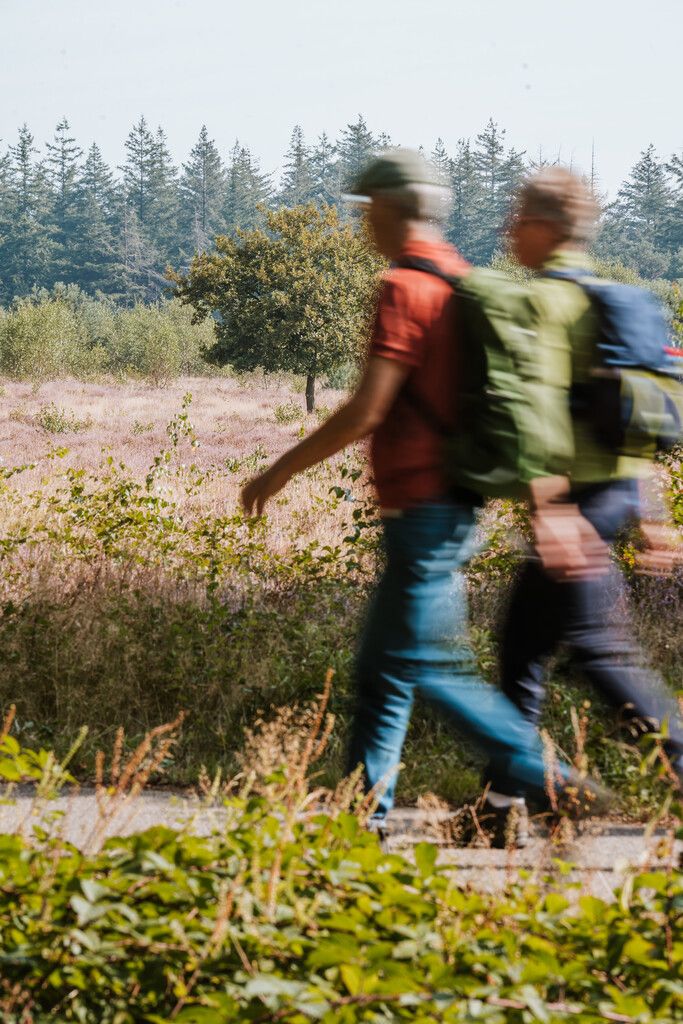
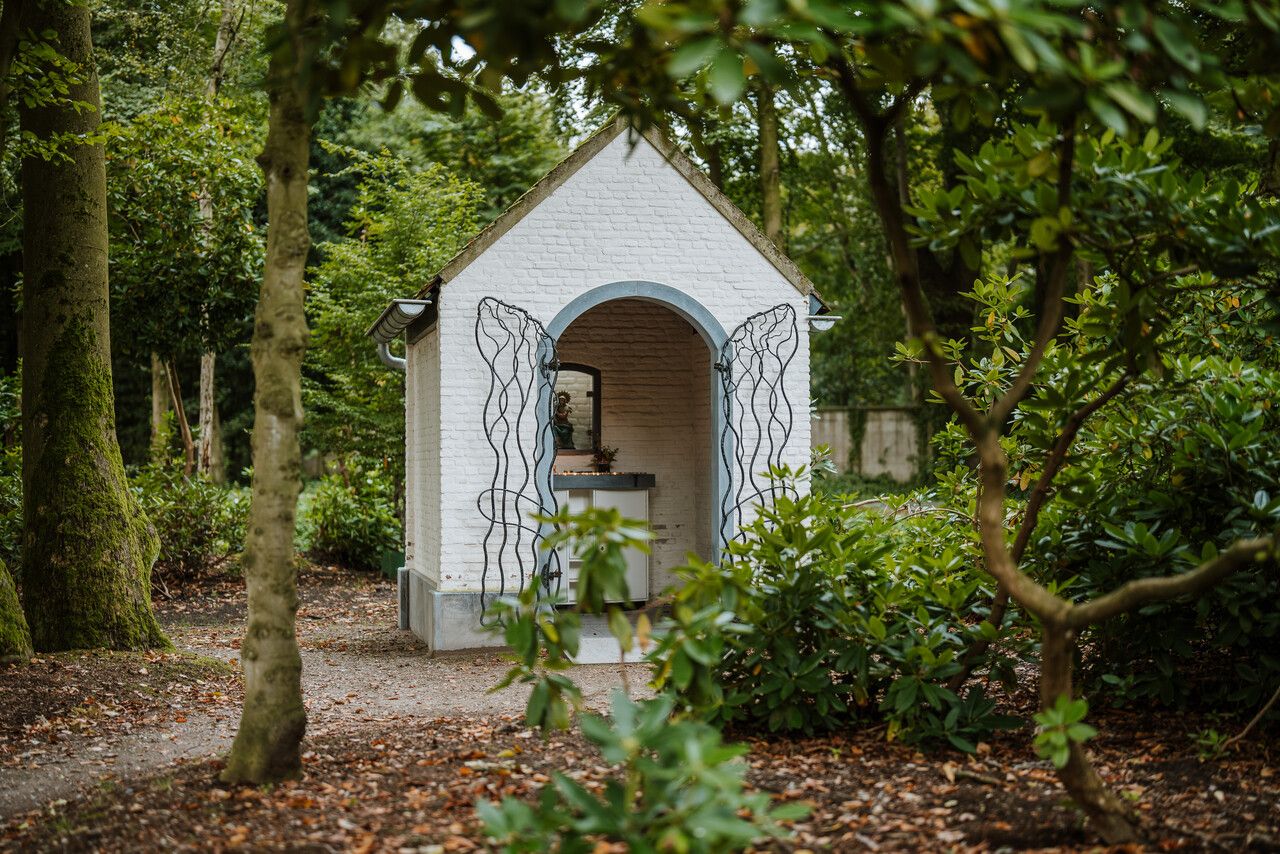
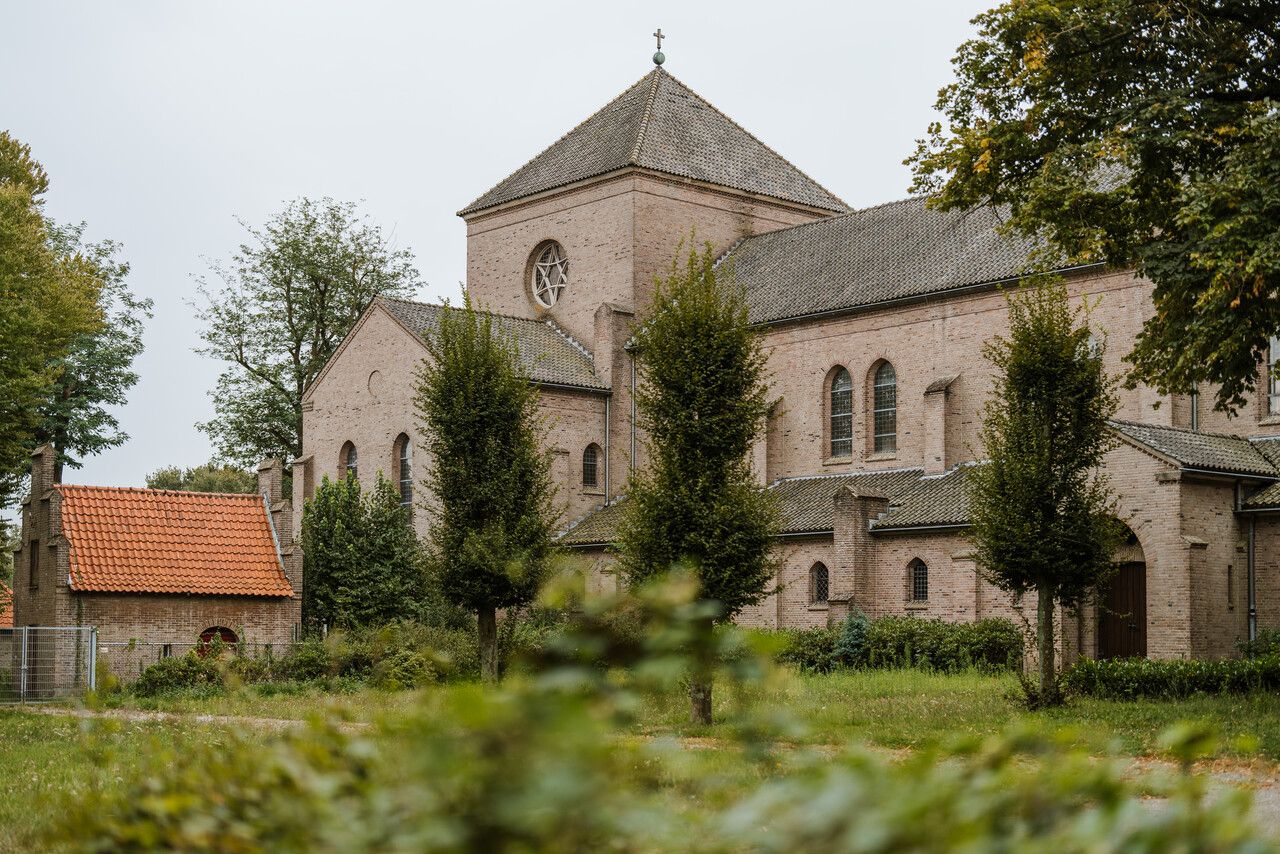
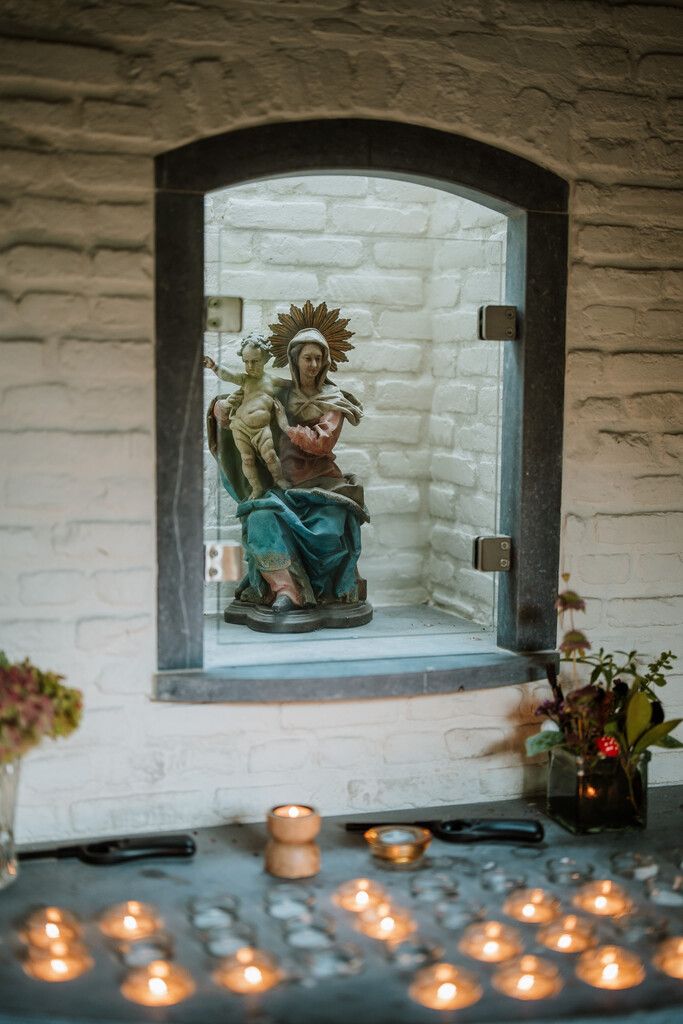
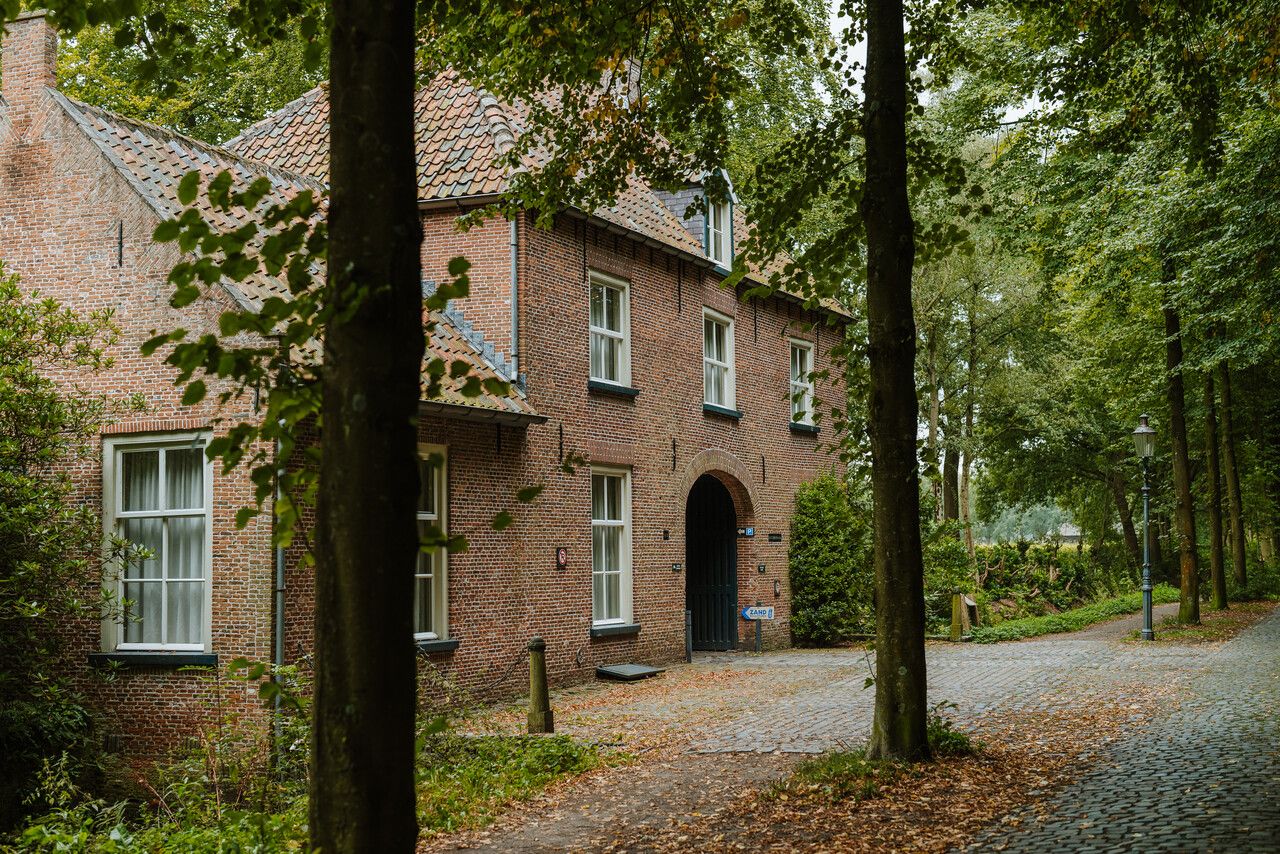
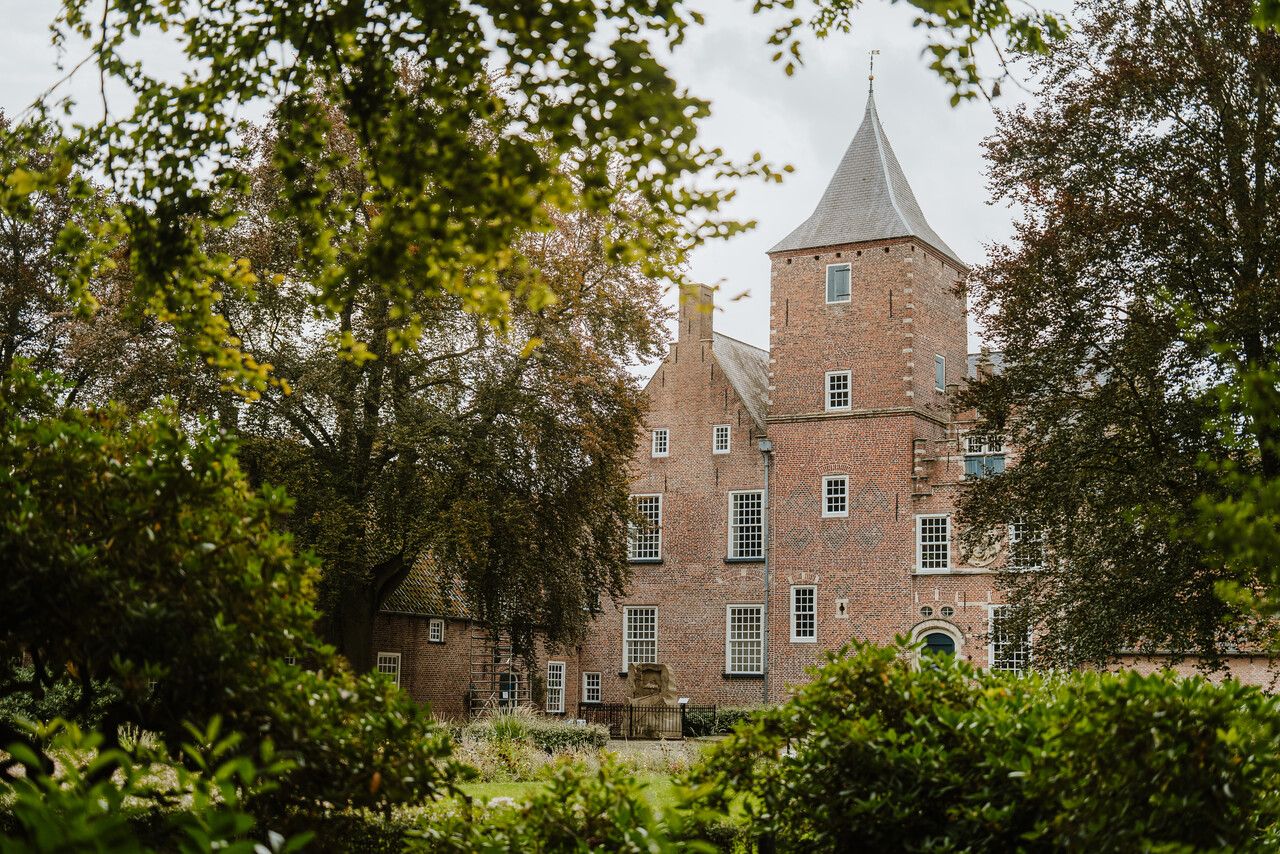
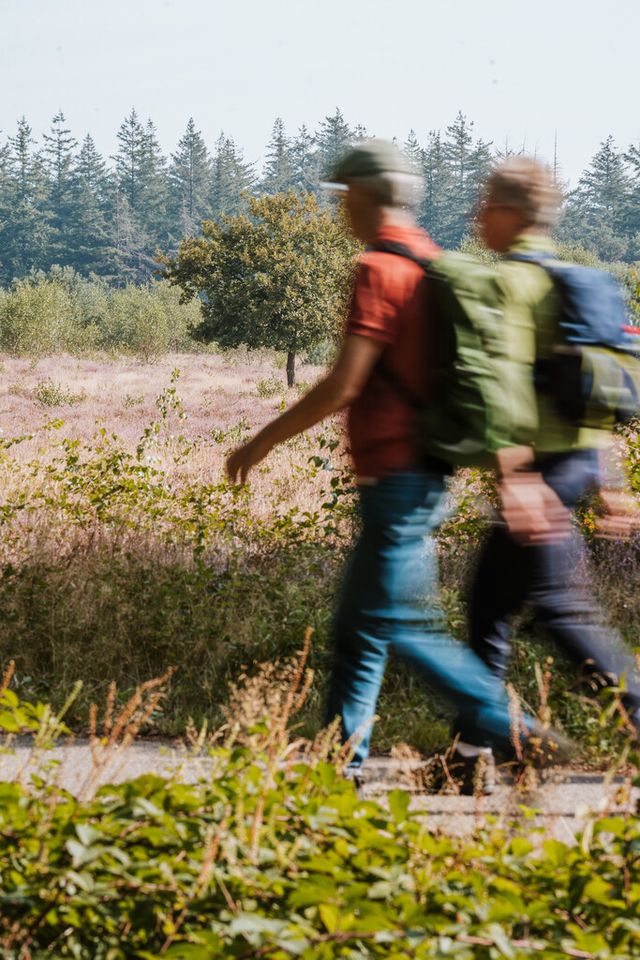
This circular walk on the monastery trail through Oosterhout is a real trip back in time. The old lanes lead to an exceptional collection of monastery complexes, all three near each other. It is no coincidence that this is called the Holy Triangle. Walk the more than 14 kilometres over cobblestones, along vast green fields and past impressive farms and monumental monasteries. You will feel that the history is alive and kicking here. In the Holy Triangle, the monastics developed further and successfully. It’s not surprising really considering contemplation and spirituality are of all times and all people, whether they are religious or not. The concentrated combination of factors ensures this walk will clear your head and fill your bag with tasty local produce, enabling you to return to normal life full of energy.
This walking route starts, both l…
This circular walk on the monastery trail through Oosterhout is a real trip back in time. The old lanes lead to an exceptional collection of monastery complexes, all three near each other. It is no coincidence that this is called the Holy Triangle. Walk the more than 14 kilometres over cobblestones, along vast green fields and past impressive farms and monumental monasteries. You will feel that the history is alive and kicking here. In the Holy Triangle, the monastics developed further and successfully. It’s not surprising really considering contemplation and spirituality are of all times and all people, whether they are religious or not. The concentrated combination of factors ensures this walk will clear your head and fill your bag with tasty local produce, enabling you to return to normal life full of energy.
This walking route starts, both literally and figuratively, at three monasteries. They are a stone’s throw from each other in the well-known Holy Triangle of Oosterhout. Such a concentration of different monastic orders is unique in the Netherlands and the world. Here, you see two convents and one monastery where both men and women live.
A mixed monastery? Indeed. It is not something you might expect because men and women used to live separately. They were also separated in the churches. Women sat on the left, men on the right. However, they did daily activities together in the form of liturgy, work and study. The fact that both men and women live in St Paul’s Abbey is a recent development. In 2006, the final original (male) residents moved to a monastic care home.
St Paul’s Abbey (Sint-Paulusabdij): the new monastic life
Nowadays, members of the French Chemin Beuf Community live in St Paul’s Abbey. Their new form of monastic life welcomes married couples, families and therefore both men and women. Various churches come together in Chemin Neuf, such as the Catholic, Protestant and Anglican churches. If you would like to find out about this community, you can follow a beer brewing workshop with a guided tour and a communal lunch.
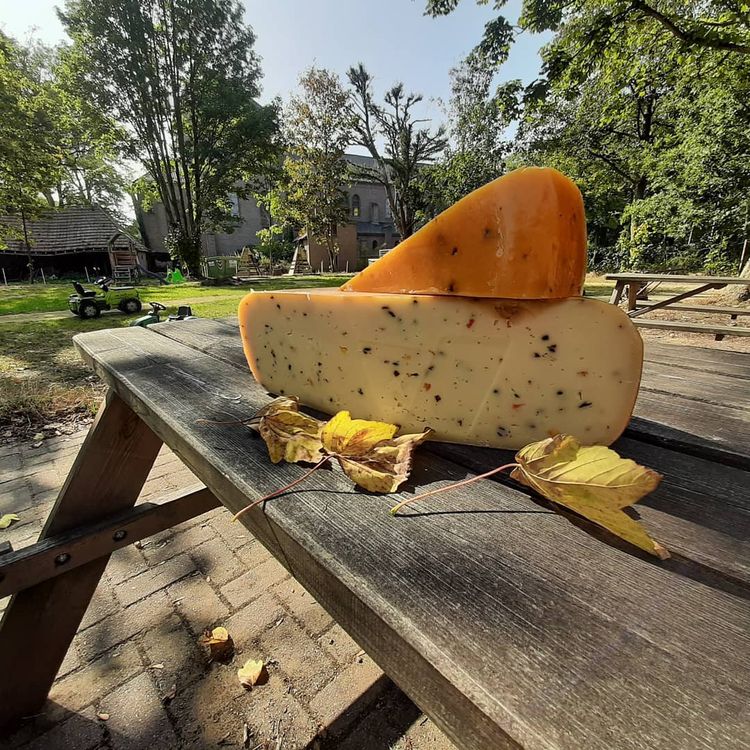
Since 2015, the abbey grounds have also housed two young entrepreneurs. They run a dairy farm where they make creamy abbey cheese. You can buy the cheese in the farm shop and from (local) shops in Oosterhout and surrounding area. But of course, the best and tastiest way to try it is on the spot where it is made.
St Catharinadal Monastery (Sint-Catharinadal): in full development
What does life in a monastery look like? You could imagine that time has stood still. But that is certainly not the case. The sisters and brothers are still developing. Just take a look at the Norbertines at St Catharinadal Monastery, a sisterhood that bought the Slotje De Blauwe Camer (small castle) with farmlands almost 400 years ago. The sisters enjoyed recognition for decades due to the Art Studio, where they restored and preserved antique books andproduced calligraphic works. Around 2006, the economic crisis took a heavy toll on these artisanal activities. But with faith in the future, they planted a vineyard in 2015 as part of a larger concept, including a guesthouse, facilities for reflection,meeting location, monastery shop and wine house with a restaurant. Furthermore, they still offer guided tours of the castle and the grounds.
Abbey of Our Lady (Onze Lieve Vrouwe Abdij): silence at a distance from the hustle and bustle
We stopped for a moment at St Paul’s Abbey, which now houses men, women and families. And at the St Catharinadal Priory, known nowadays for the delicious wine. This brings us to the third point of the Holy Triangle: The Abbey of Our Lady. For centuries, the Benedictine nuns have been living a simple life by taking time for prayer. Here, silence resonates above all, or as the sisters themselves say, ‘We listen to God and to each other with the ear of our heart.’ Perhaps you meditate sometimes so may understand what the sisters mean by this. Unfortunately, you cannot visit the abbey but there is a guesthouse. Here, you can briefly join in with the quiet life of the Benedictine nuns. It is said that you should book a stay at the guesthouse well in advance. It makes sense I suppose considering that in our increasingly hectic lives, getting away from the hustle and bustle of everyday life is more than welcome.
Heaths, sandy areas and still reflective water
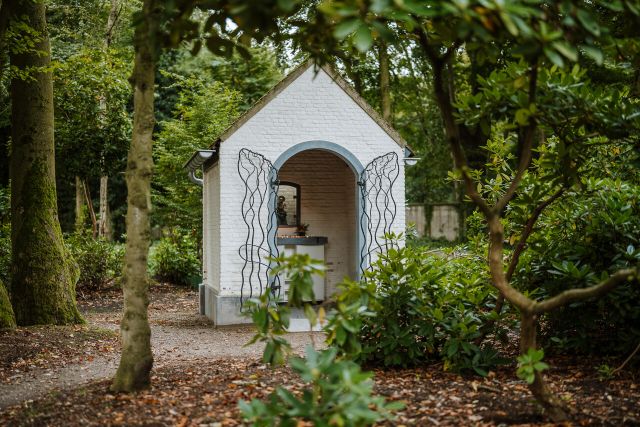
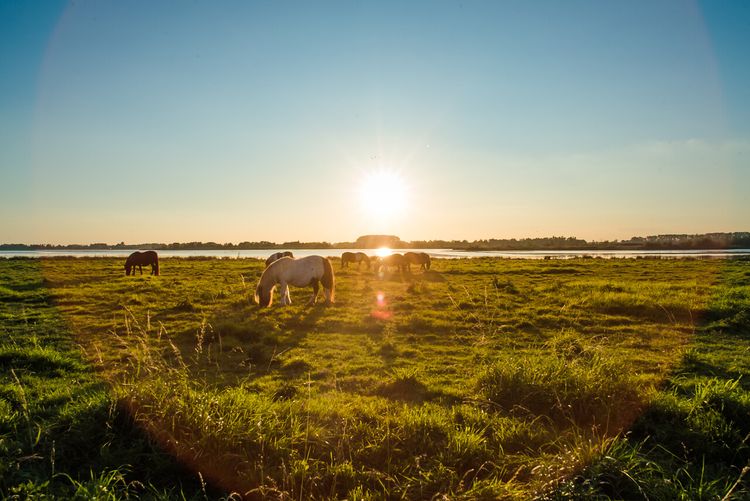
The Benedictine nuns do more than just pray. They look after the abbey garden with its many exceptional plants and trees. It is a shame that the abbey garden is not accessible, but there is more natural beauty to see on this route. Walk over the vast heaths and sandy areas of the Vrachelse Heide and take a moment to think of the sisters living in the abbey. What can you see when you say nothing? What can you hear, what can you smell? Before you know it, you will be at the Put van Canon, also called the Houtse Meer. This lake has still clear water as far as they eye can see. It is breathtaking and a lovely spot to take a break on the route for a bite to eat, drink and a good chat, whether on a blanket on the beach, or at the hospitality pavilion by the lake.
Between junctions 74 to 70, you walk along Leijssenstraat and Pieter Koolenstraat. Here, you see the historical remnants of the diligent labour of Oosterhout’s ancestors: ridge and furrow fields and wooded banks. This is the result of centuries of fertilisation and tilling with the plough. A wooded bank is an earth mound vegetated with trees and bushes. These types of mounds protected cattle against the elements. However, the trees and bushes are also equally beneficial to other creatures such as insects, birds and hedgehogs, as well as for plants. From the Holy Triangle to bountiful location for people and nature.
North Brabant monastery life
While walking, become acquainted with the life and work of the Brabant monks and nuns – then and now. Brabant Monastery Trail takes you past around fifty-five monasteries and abbeys in North Brabant in various stages. The total length of the trail is 330 kilometres, but there are also beautiful trails marked out around various monasteries.
-
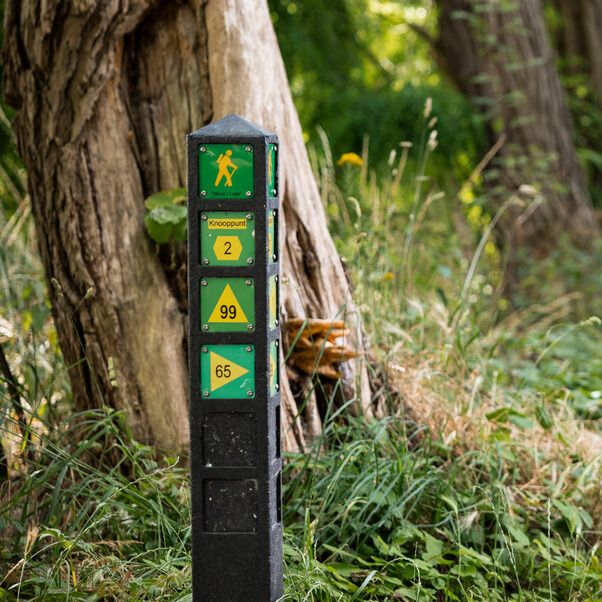
Signposting of the Monastery trail
Simply follow the signs and walk along the route from one numbered junction to the next.
Signposting of the Monastery trail
Simply follow the signs and walk along the route from one numbered junction to the next.
-
Hotline routes
Hotline routesIf there is something wrong on the route, report it here.
Tips from Brabant residents
Skip map elementsLocations on this route
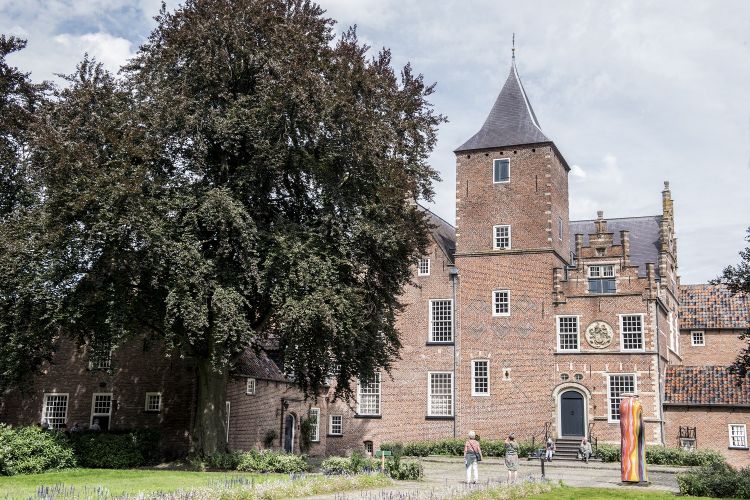
Sint-Catharinadal
Since 1647, the Norbertine Sisters of the Sint-Catharinadal Priory have lived continuously at the De Blauwe Camer Manor.
Kloosterdreef 34901 PH Oosterhout
Navigate to starting point
St. Paul’s Abbey
The history of this monastery of the “French Fathers” dates back to 1901. That year, a law was enacted in France that imposed severe restrictions on certain French monastic orders. As a result, a number of monastic orders left France.

Abbey of Our Lady
The Abbey of Our Lady in Oosterhout is part of the Holy Triangle, an area that has three adjacent monastery complexes at its core.
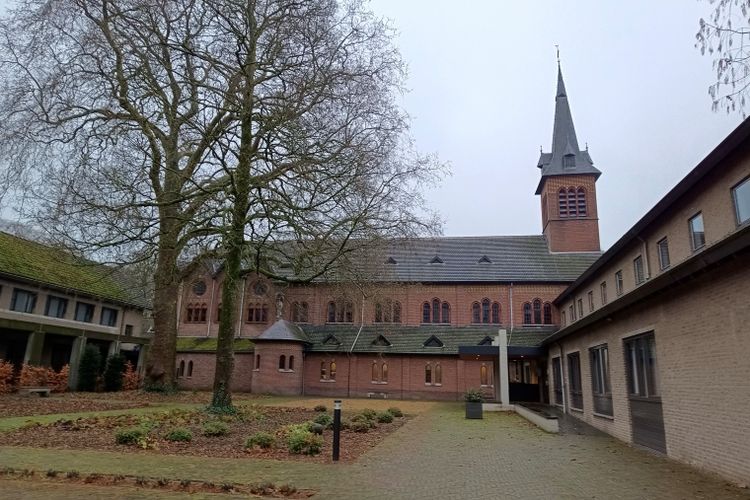
The Holy Triangle
The Holy Triangle consists of a contiguous area centered around three adjacent monastery complexes: St. Catherine’s Valley, the Abbey of Our Lady, and St. Paul’s Abbey.

Vrachelse Heide
The Vrachelse Heide is a former heathland and drifting sand area in the municipality of Oosterhout. It is located southwest of Oosterhout between the Zandwinplas and the Warandeplas.
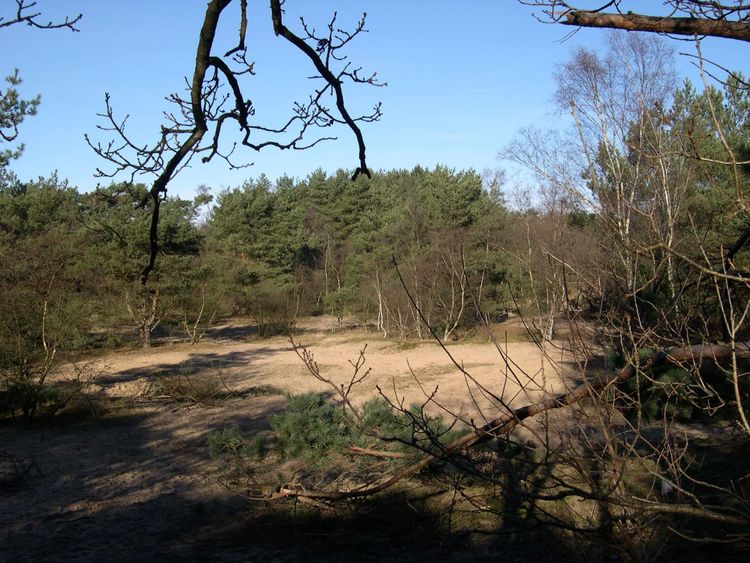
Put van Caron natural lake
The Put van Caron is situated on the edge of the Vrachelse Heide nature reserve.

St. John’s Basilica
The Basilica of St. John the Baptist, or St. John’s Basilica, is the principal Roman Catholic church in Oosterhout.
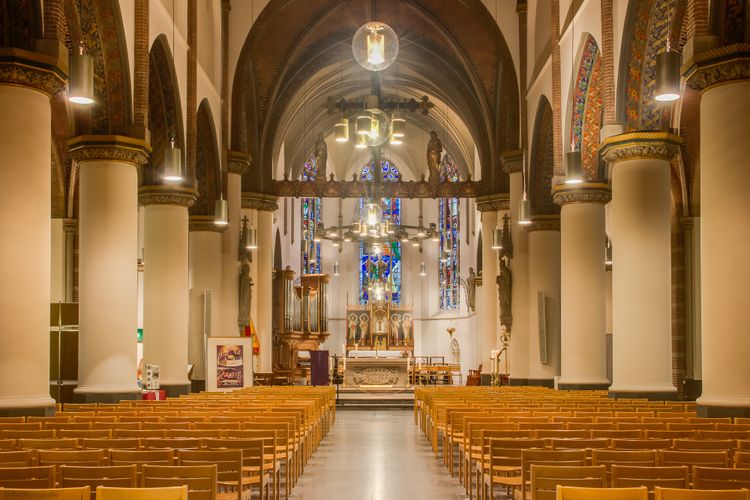
Winery De Blauwe Camer
Winery De Blauwe Camer is a restaurant located on the beautiful grounds of the Sisters of St. Catharinadal in Oosterhout.

Sint-Catharinadal
Since 1647, the Norbertine Sisters of the Sint-Catharinadal Priory have lived continuously at the De Blauwe Camer Manor.
Kloosterdreef 34901 PH Oosterhout
Navigate to endpoint
- 70
- 71
- 72
- 04
- 38
- 39
- 37
- 26
- 25
- 24
- 23
- 27
- 90
- 56
- 72
- 71
- 73
- 74
- 70
Route features
-
11 dog-friendly places to eat and drink amid the North Brabant countryside
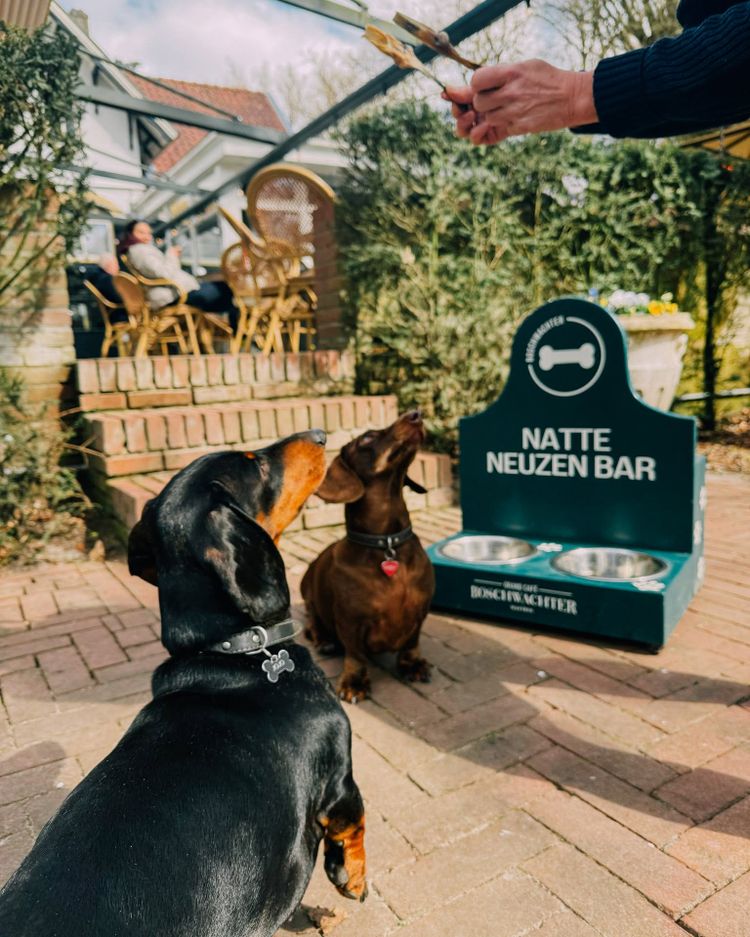
In North Brabant there are plenty of places to eat and drink where dogs are just as welcome as their owners. From bowls of water and dog biscuits to special dog menus, at these 11 locations you and your dog can enjoy the countryside and the hospitality.
-
8 things to do with children in North Brabant

North Brabant is a location that draws you closer to those unforgettable moments with the entire family. Will you choose a swimming paradise, an amusement park or a childproof museum? Plan your ideal family outing in the Netherlands in North Brabant.
-
7 places to go in the Brabant countryside with children
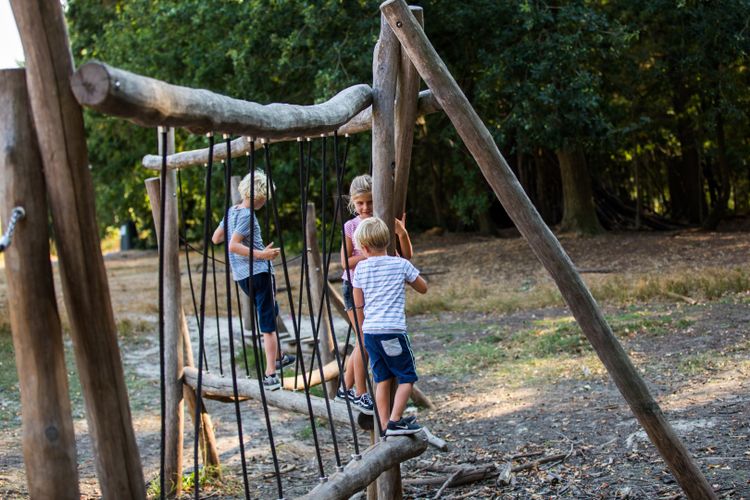
Adventure is there for the taking in the Brabant countryside. Getting some exercise, playing and being outdoors means quality time with the whole family. Follow fun children’s routes and gnome paths together.
-
Tips for a sustainable weekend away or day out in North Brabant
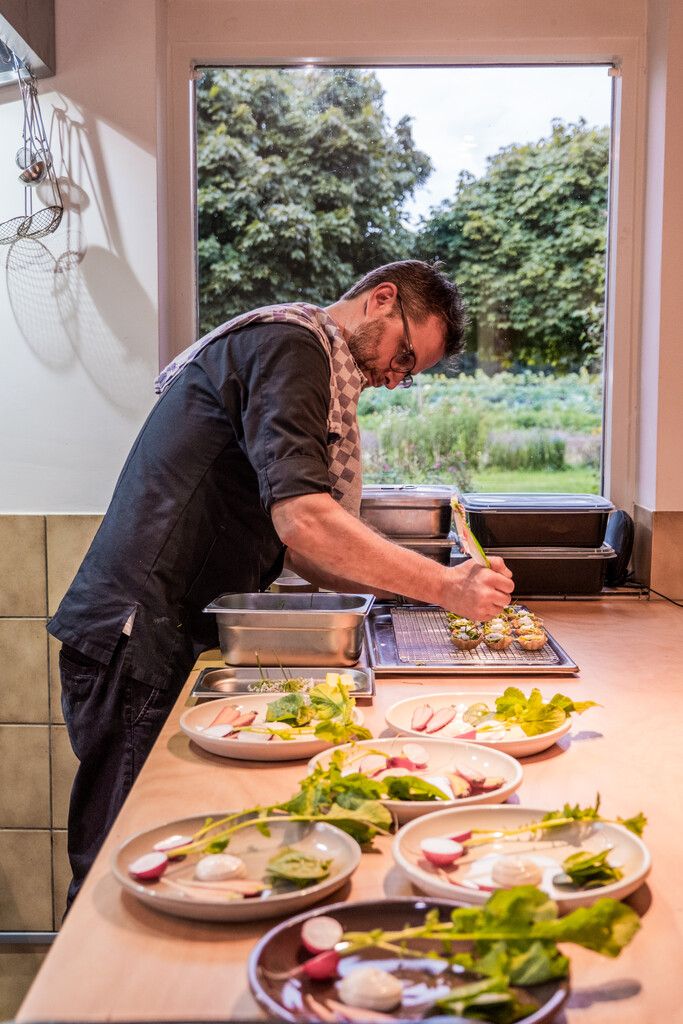
Does travelling actually fit within a sustainable lifestyle? Yes, it does! Often, small adjustments can make a huge difference.
-
A cultural city trip: Breda and surrounding area
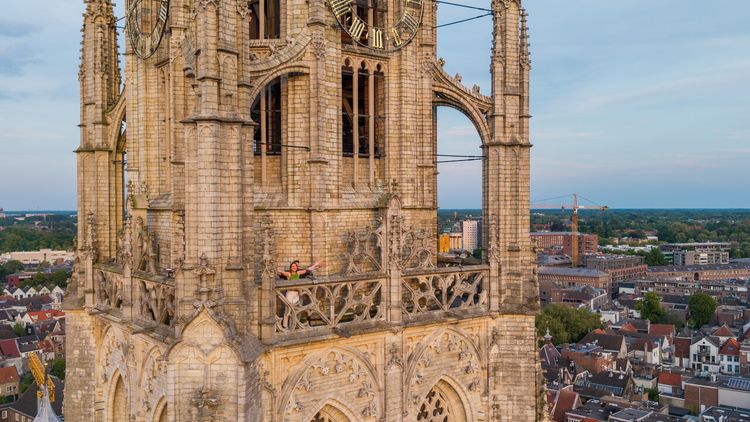
Breda is a city filled with unique stories, some of which you will learn about during this two-day trip.
-
From monastery gardens to drifting sand dunes: a 5-day motorhome road trip through the Van Gogh National Park
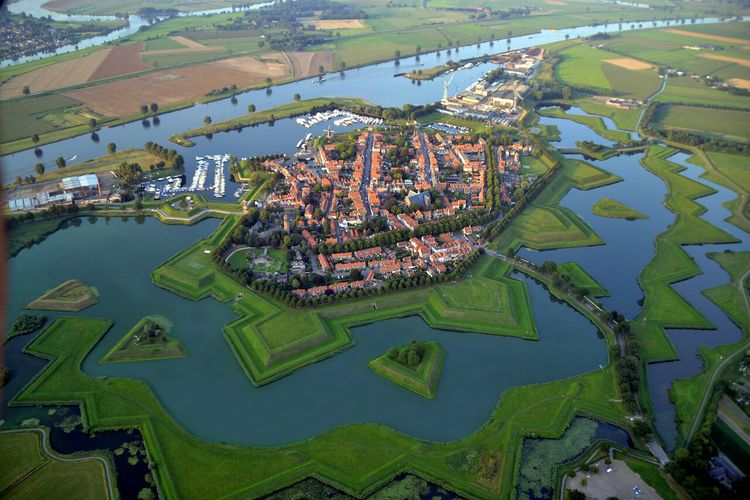
Hike and cycle through Van Gogh National Park on a 5-day east–west route. Discover nature, local flavours, and stories, with welcoming motorhome stops near monasteries, castles, woods, dunes, and lively Brabant towns.
-
Reflection and wonder on a two-day walking trail
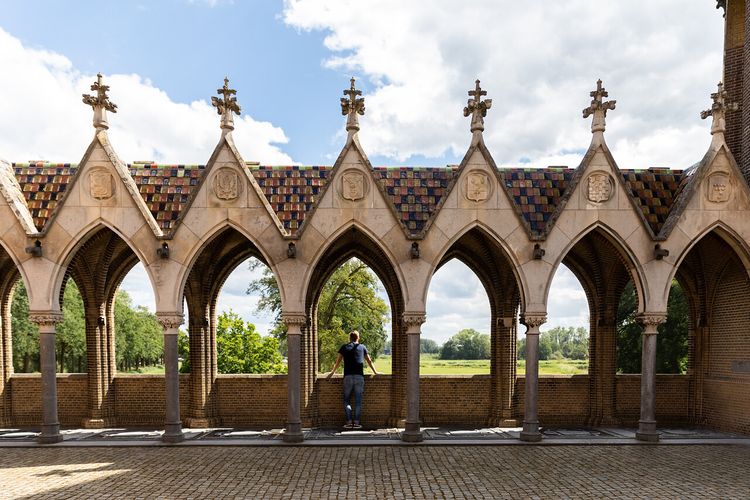
For centuries, Brabant’s countryside has inspired monks and Van Gogh. Follow their footsteps on a 2-day walk past monasteries, abbeys, and the Oisterwijk Forests & Fens, with a night in the peaceful countryside.
-
A weekend for slowing down in North Brabant
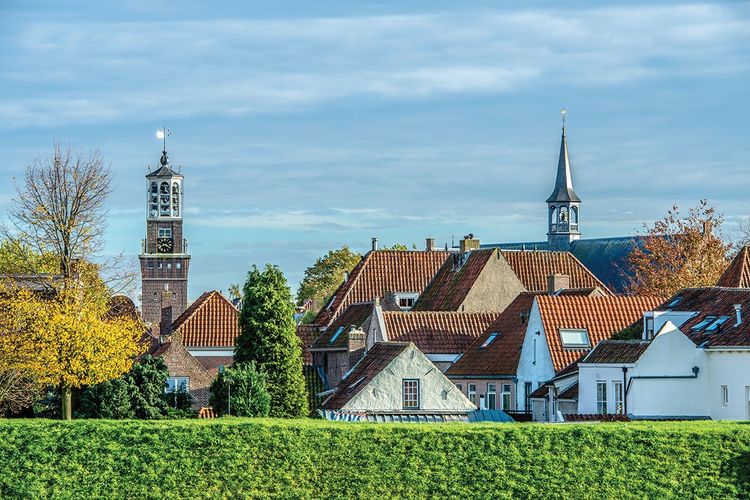
Two days of wandering through monasteries, castles, forts and fortified cities with plenty of time along the way for culinary enjoyment at creative food hotspots – this is possible in North Brabant.
-
A long weekend of surprises in the heart of Brabant
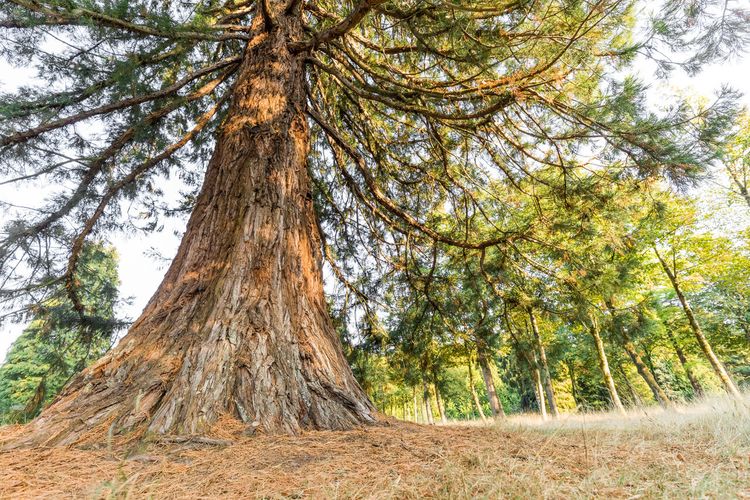
Allow yourself three days to be amazed by a part of North Brabant between Tilburg and Esbeek, close to the Belgian border.
-
7 times UNESCO in North Brabant
UNESCO is best known for the World Heritage List. But UNESCO also recognises heritage in other areas, which means you will encounter UNESCO sites also in North Brabant.