
Vrachelse Heide
The Vrachelse Heide is a former heathland and drifting sand area in the municipality of Oosterhout. It is located southwest of Oosterhout between the Zandwinplas and the Warandeplas.
Show all 4 photos
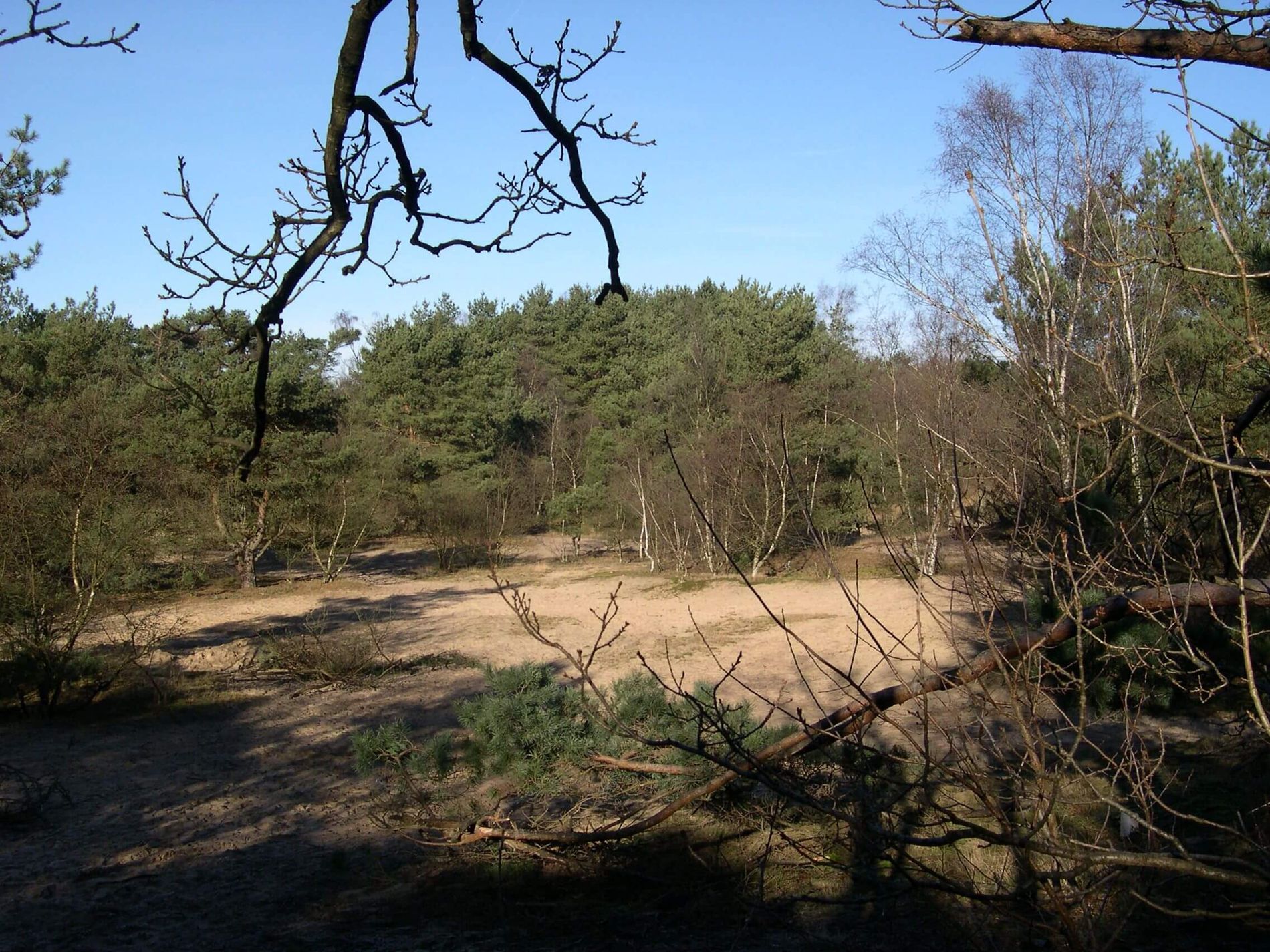
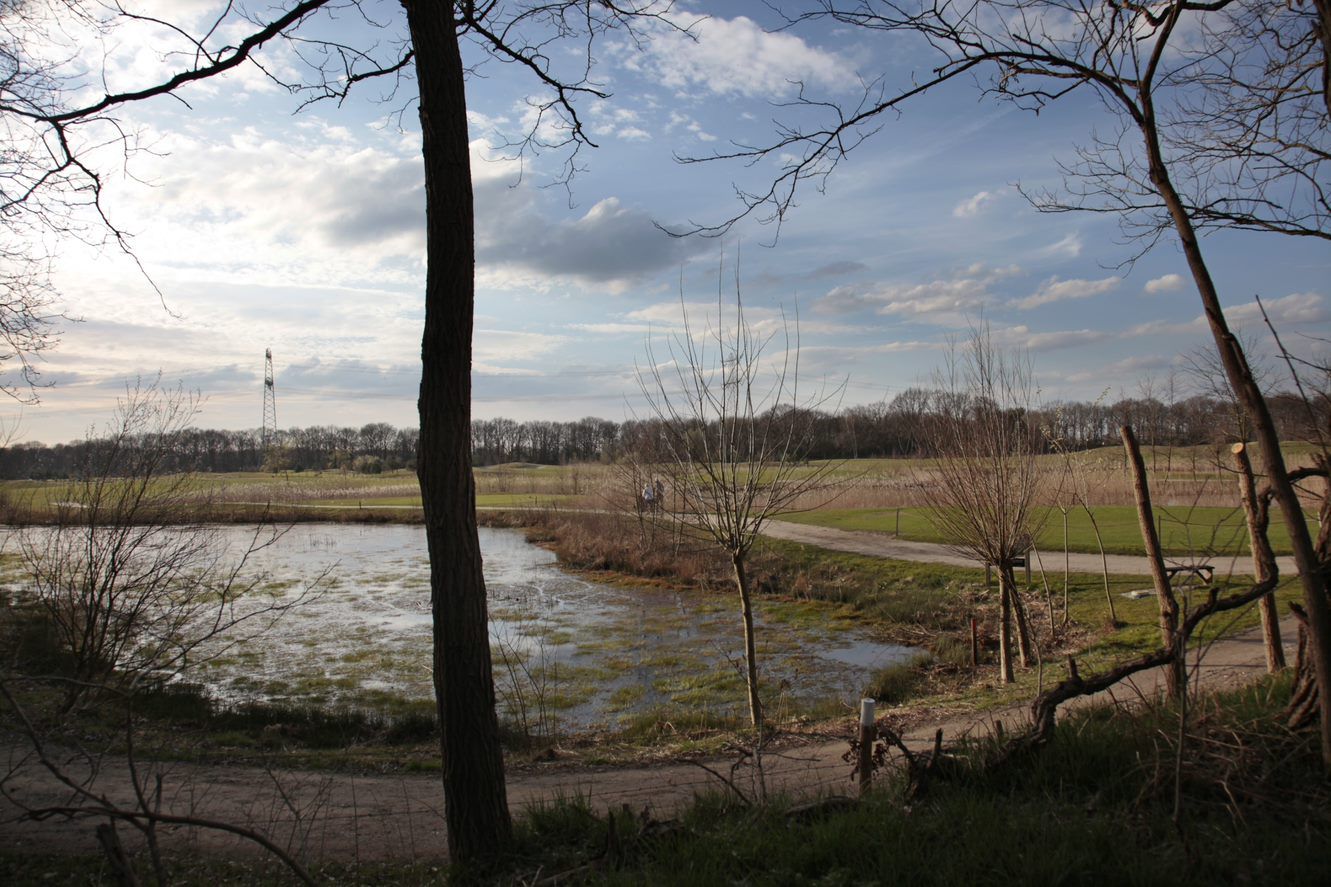
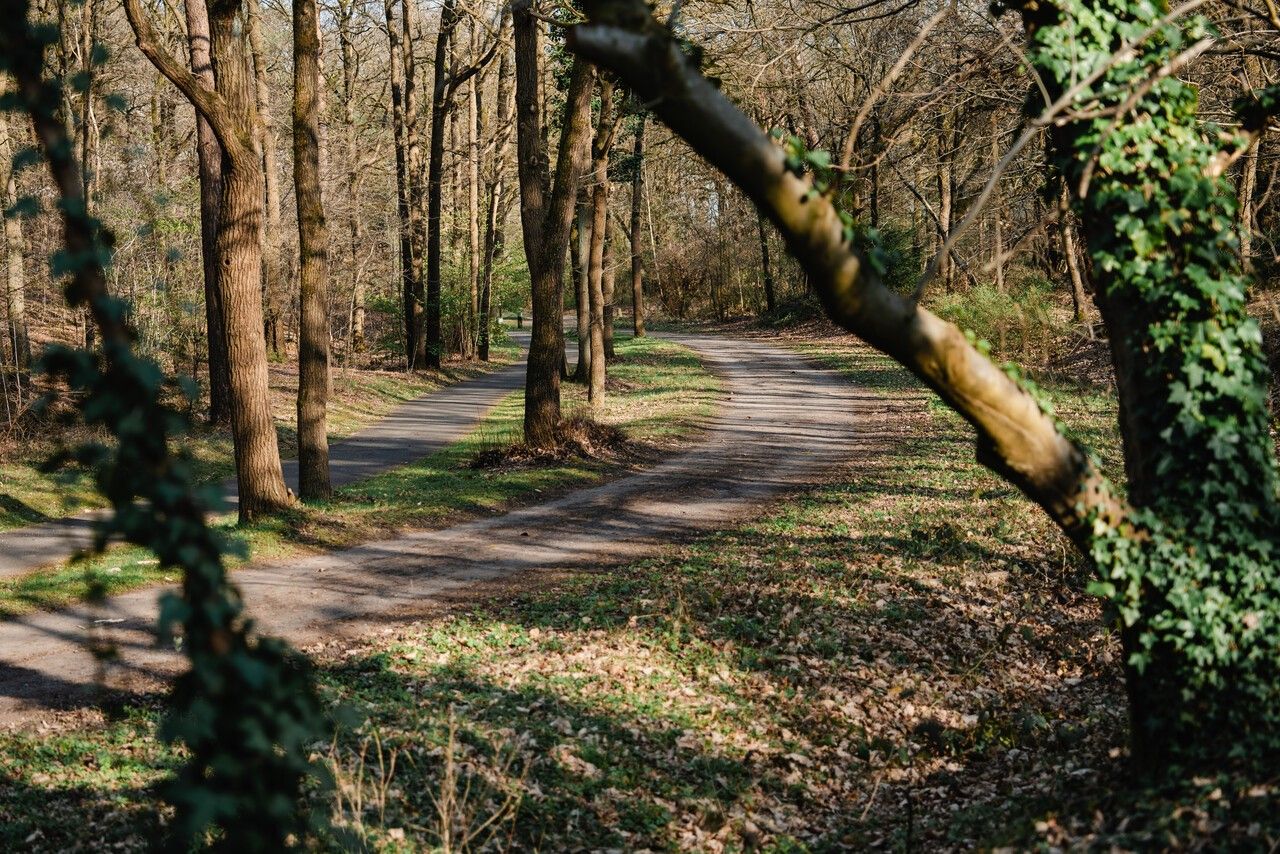
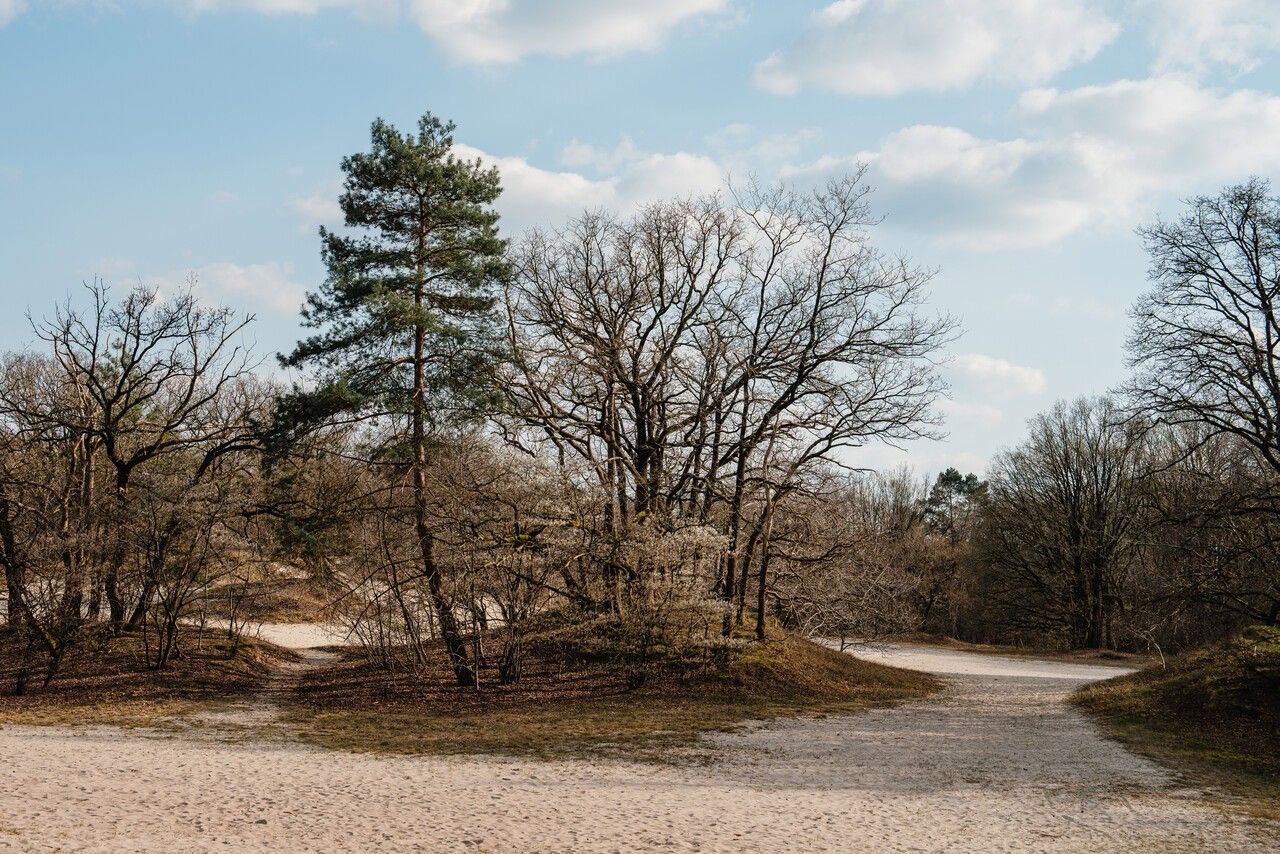
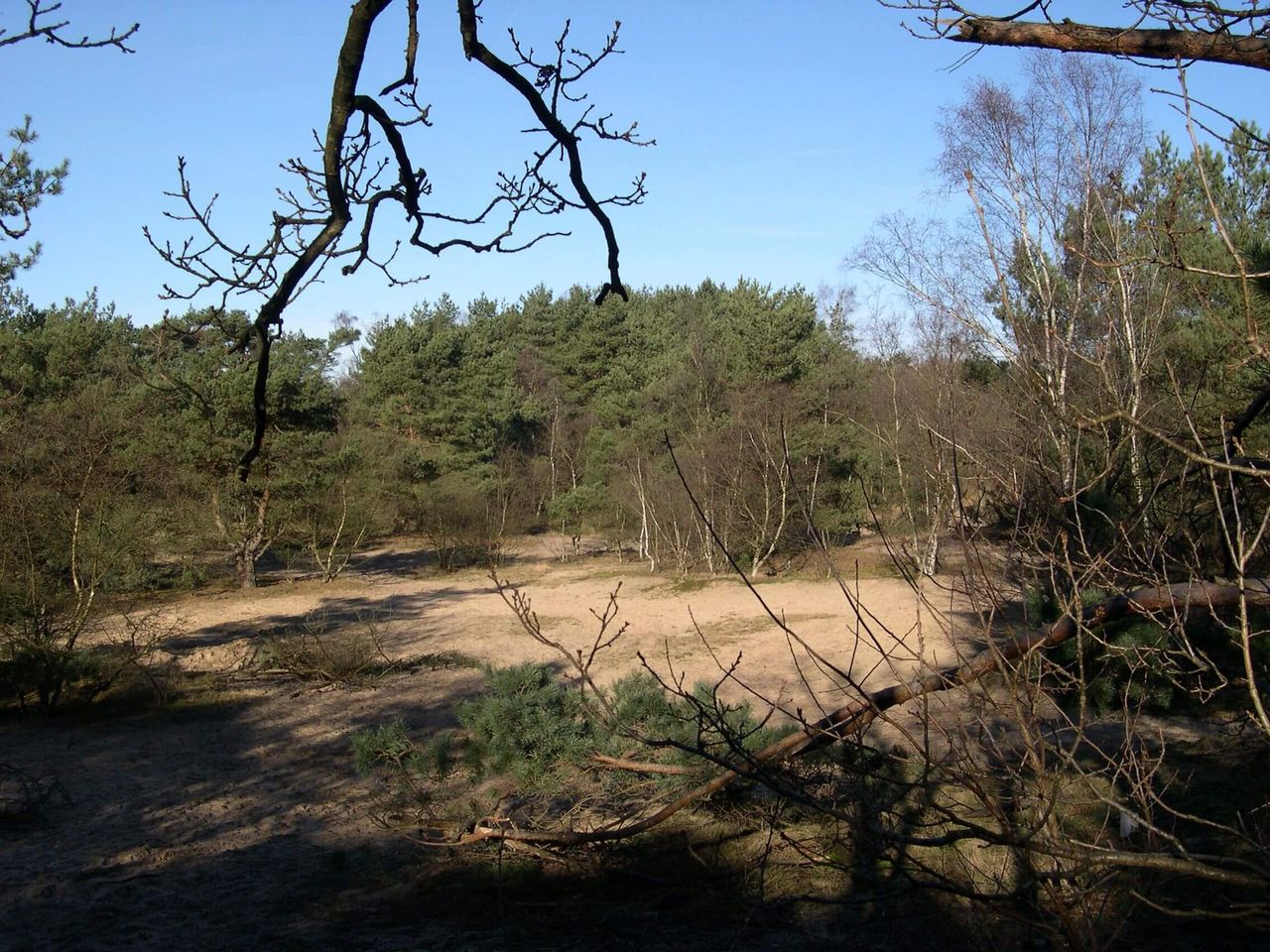
The Vrachelse Heide is a former heathland and drifting sand area in the municipality of Oosterhout. It is located southwest of Oosterhout between the Zandwinplas and the Warandeplas. Today, it is largely planted with Scots pine. The Vrachelse Heide covers 149 hectares and is owned by the Ministry of Defense.
The area consists mainly of coniferous forest with scattered remnants of heathland and drifting sand. Only the eastern part has retained its original topography well. There is also more mixed woodland there, and oak scrub is present. This was planted by farmers in the past to control the drifting sand and to provide firewood. It is located on the highest drifting sand ridges. A number of more or less rare plant and animal species are found here, such as the harebell, heath spurrey, red wood ant, antlion, brown argus, green woodpecker, black woodpecker, sparrowhawk, hobby, goshawk, little owl, long-eared owl, redstart, and pied flycatcher.
The area is na…
The Vrachelse Heide is a former heathland and drifting sand area in the municipality of Oosterhout. It is located southwest of Oosterhout between the Zandwinplas and the Warandeplas. Today, it is largely planted with Scots pine. The Vrachelse Heide covers 149 hectares and is owned by the Ministry of Defense.
The area consists mainly of coniferous forest with scattered remnants of heathland and drifting sand. Only the eastern part has retained its original topography well. There is also more mixed woodland there, and oak scrub is present. This was planted by farmers in the past to control the drifting sand and to provide firewood. It is located on the highest drifting sand ridges. A number of more or less rare plant and animal species are found here, such as the harebell, heath spurrey, red wood ant, antlion, brown argus, green woodpecker, black woodpecker, sparrowhawk, hobby, goshawk, little owl, long-eared owl, redstart, and pied flycatcher.
The area is named after the nearby hamlet of Vrachelen. It was settled very early on. Traces of human presence have been found dating back to the Late Neolithic period, particularly in the nearby Houtse Akkers, centered around Den Hout.
Heathland formation began around the year 1000, when the population grew and the uncultivated land was needed for fertilization using the deep-litter system. Later, further land reclamation was necessary. In the 16th and 17th centuries, the heathland was exploited to such an extent that vegetation disappeared in some areas and drifting sands formed. Gradually, reforestation efforts began; in the case of the Vrachelse Heide, this likely took place starting in the first half of the 19th century.
This text has been translated using AI.