
Van Gogh Cycle Route Zundert Northwest
This Van Gogh cycle route introduces you to Van Gogh’s birthplace.
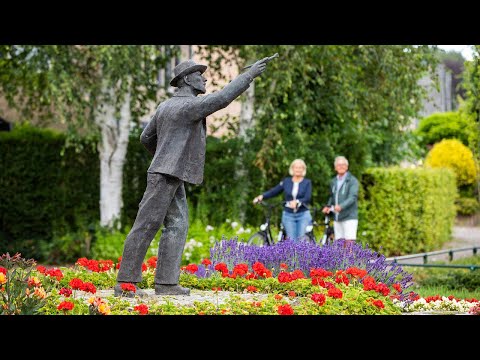
Show all 13 photos
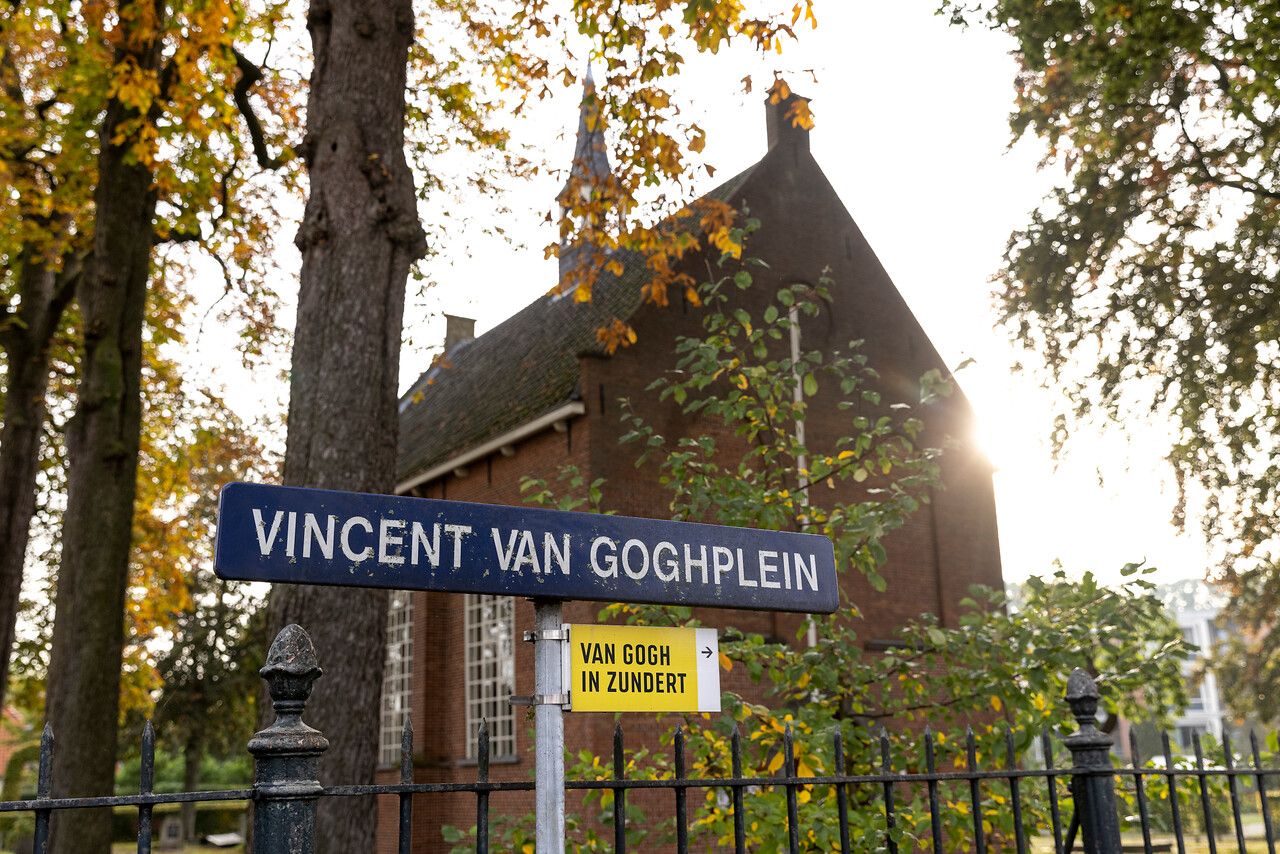
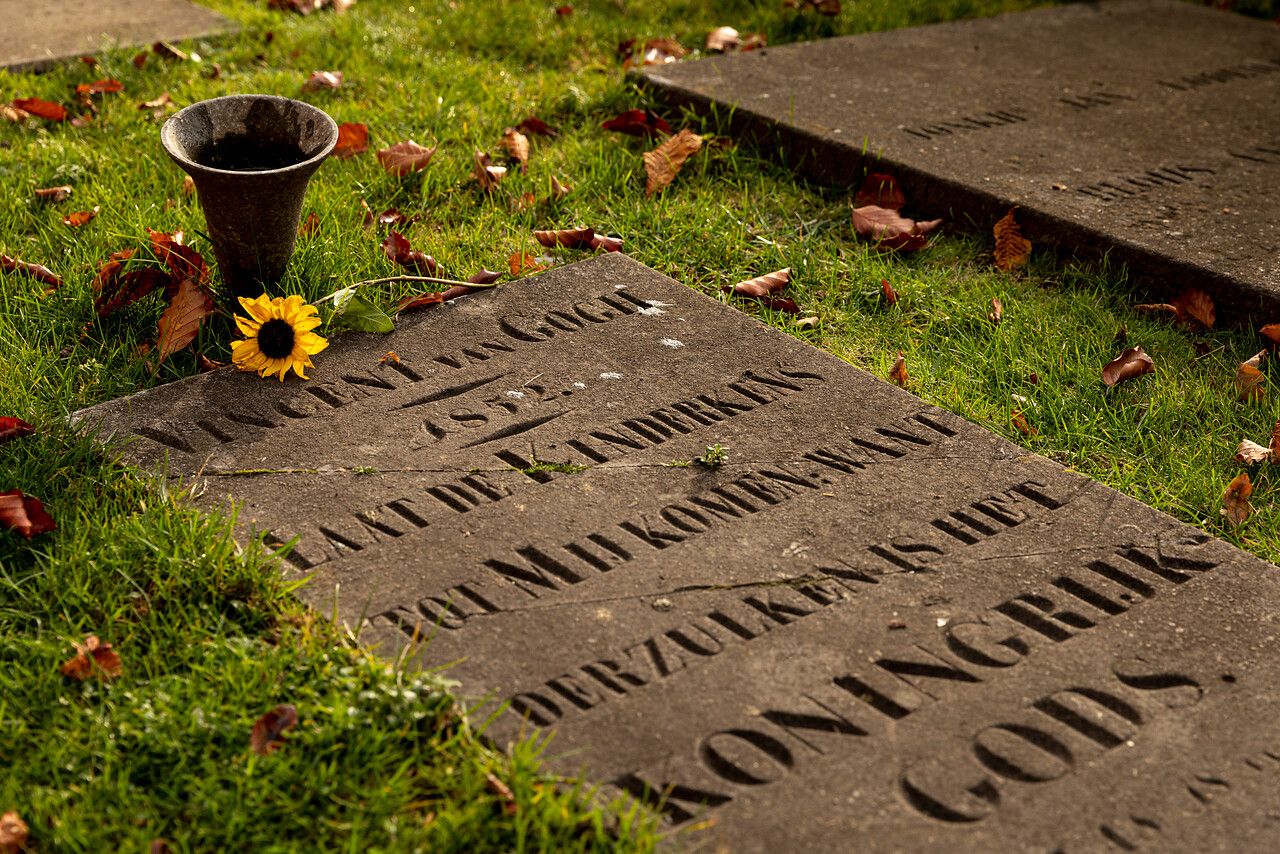
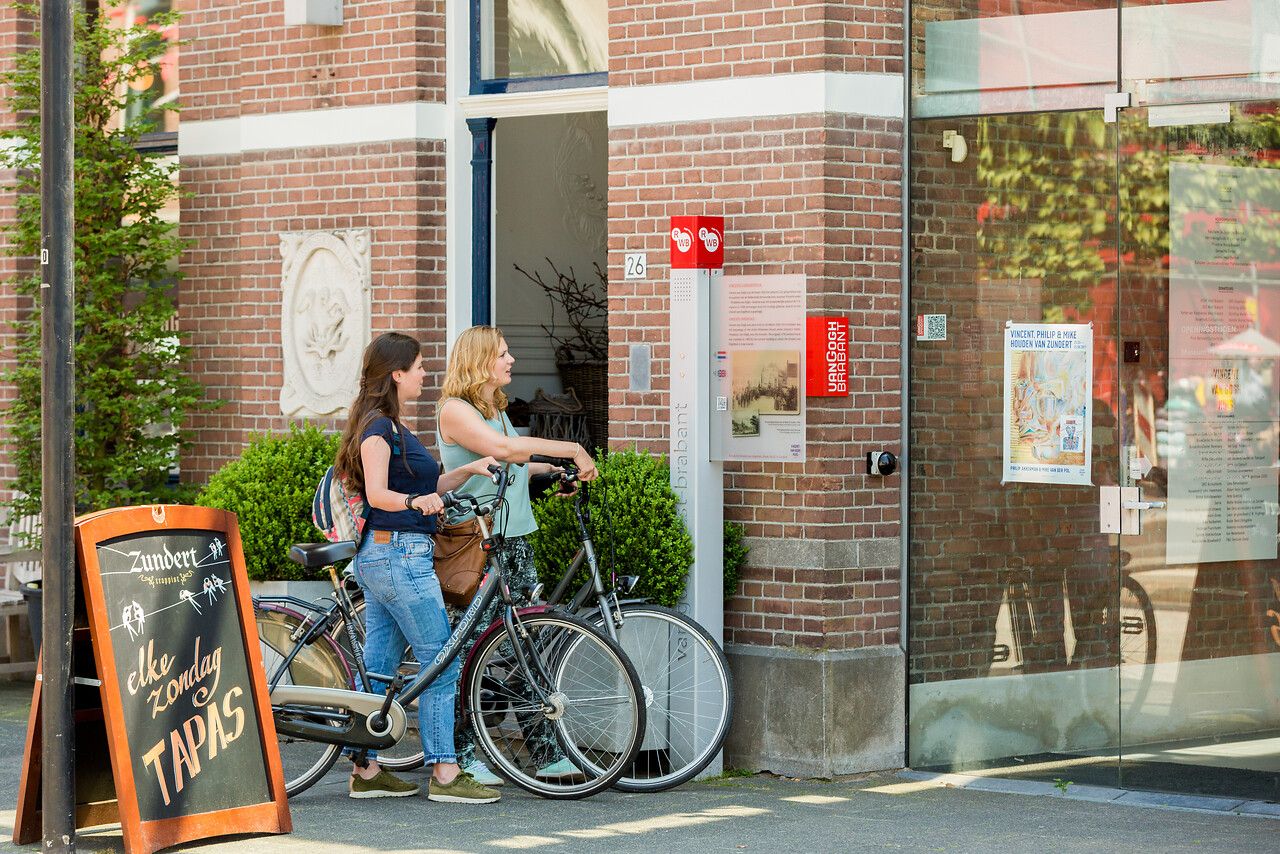
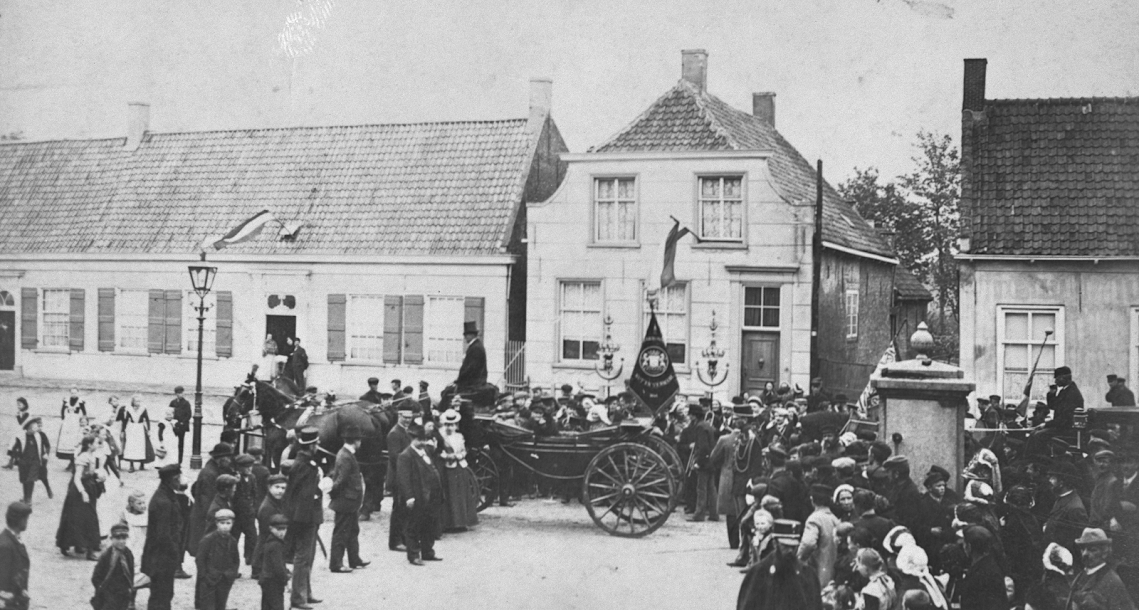
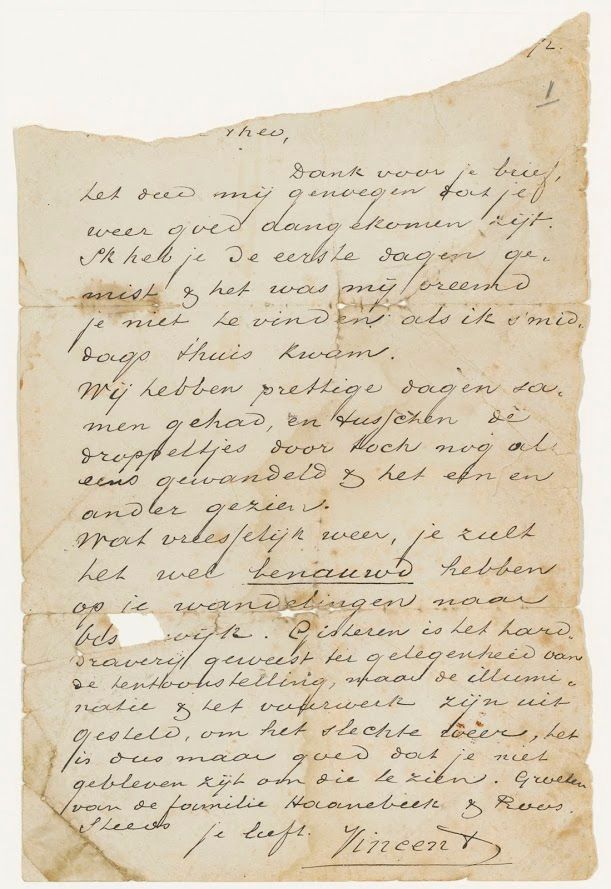
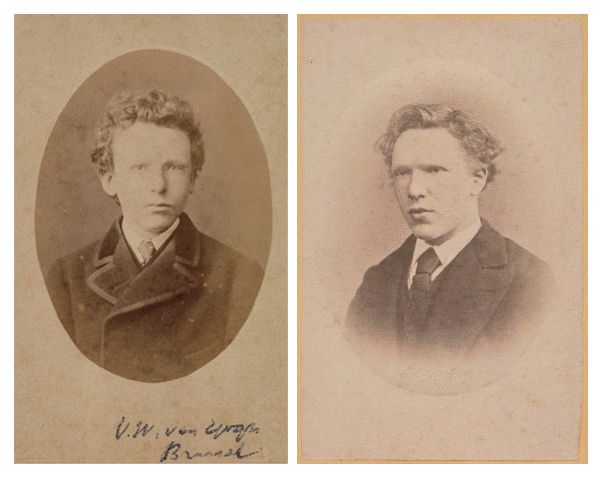
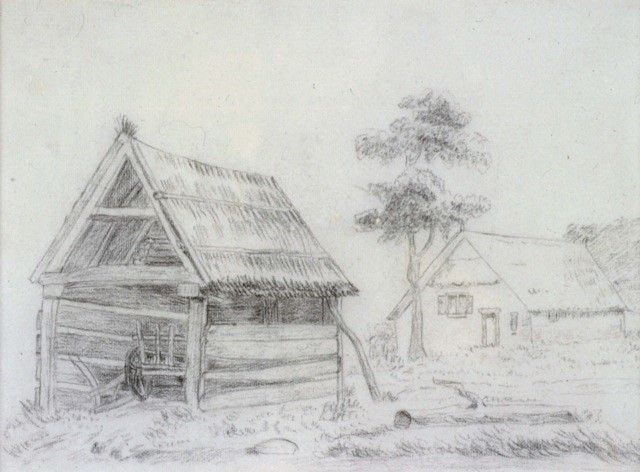
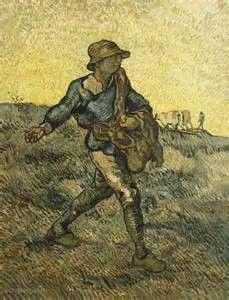
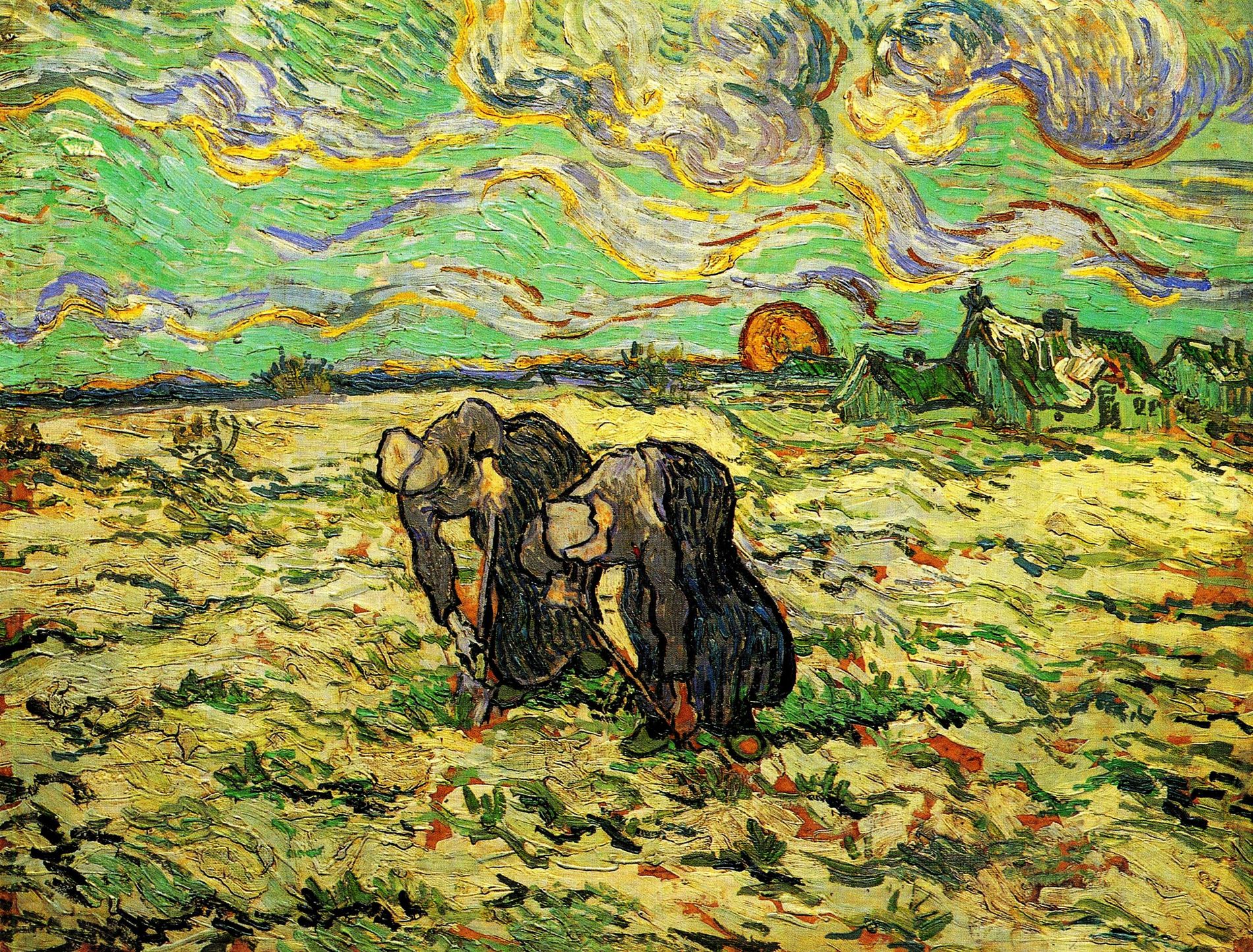
Vincent van Gogh was born in Zundert on 30 March 1853. The later world-famous Van Gogh was not the first child born to Theodorus van Gogh (1822-1885) and Anna Cornelia Carbentus (1819-1907). Their first son (also named Vincent) was stillborn one year earlier on exactly the same day. This moving story is told at and around the Vincent van Gogh House.
The old parsonage of the Dutch Reformed Church used to stand on the site of the Van Gogh House. Vincent lived here until he was sixteen together with his parents, three sisters and two brothers: Anna (1855-1930), Theo (1857-1891), Elisabeth (1859-1936), Willemien (1862-1942) and Cor (1867-1900).
The family often walked in the area around Zundert. Those walks formed the basis of Vincent’s love for the countryside and the farming life. It was a fascination that was later expressed in his work.
This Van Gogh cycle route …
Vincent van Gogh was born in Zundert on 30 March 1853. The later world-famous Van Gogh was not the first child born to Theodorus van Gogh (1822-1885) and Anna Cornelia Carbentus (1819-1907). Their first son (also named Vincent) was stillborn one year earlier on exactly the same day. This moving story is told at and around the Vincent van Gogh House.
The old parsonage of the Dutch Reformed Church used to stand on the site of the Van Gogh House. Vincent lived here until he was sixteen together with his parents, three sisters and two brothers: Anna (1855-1930), Theo (1857-1891), Elisabeth (1859-1936), Willemien (1862-1942) and Cor (1867-1900).
The family often walked in the area around Zundert. Those walks formed the basis of Vincent’s love for the countryside and the farming life. It was a fascination that was later expressed in his work.
This Van Gogh cycle route introduces you to the six Van Gogh Monuments in Zundert, including the various places where Vincent lived, where he sketched and which he described in his letters.
Where Vincent’s story began
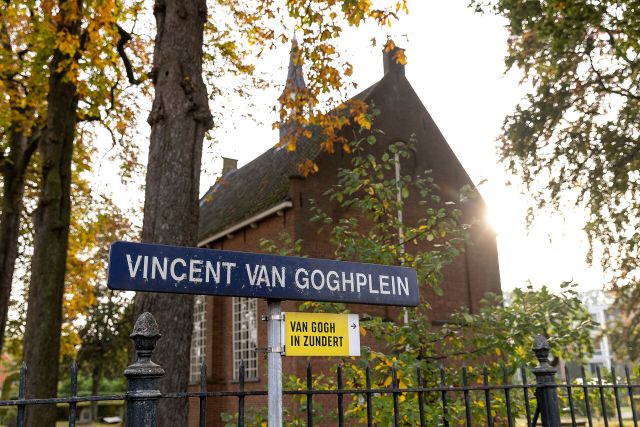
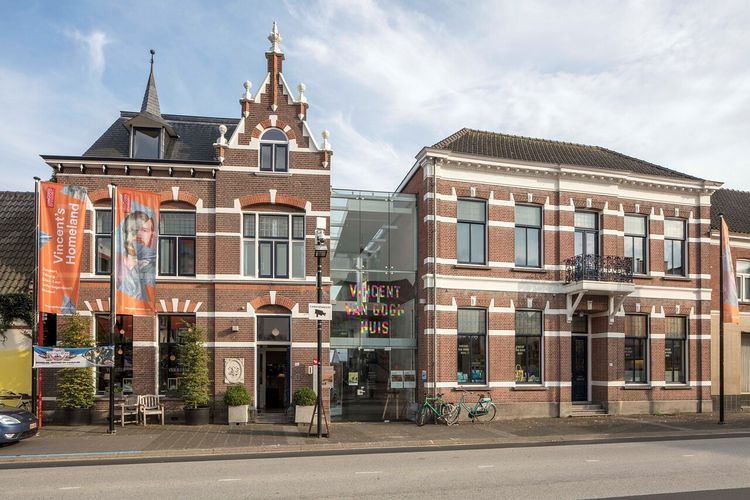
Vincent was not born in the current Van Gogh House but next door, in what used to be the parsonage, on 30 March 1853. The building was demolished in 1903. A plaque on the house’s facade commemorates his birth. It is on this site that the Vincent van Gogh House was created by combining two distinctive buildings: the ‘new’ parsonage and the characteristic rectory. Vincent grew up here together with his brothers and sisters. The Vincent van Gogh House offers a stimulating presentation of the life and work of Vincent van Gogh as well as interactive learning experiences. Listen to the story of Vincent van Gogh’s childhood at the informative audio column. You will also find another audio column a little further along at the Dutch Reformed Church.
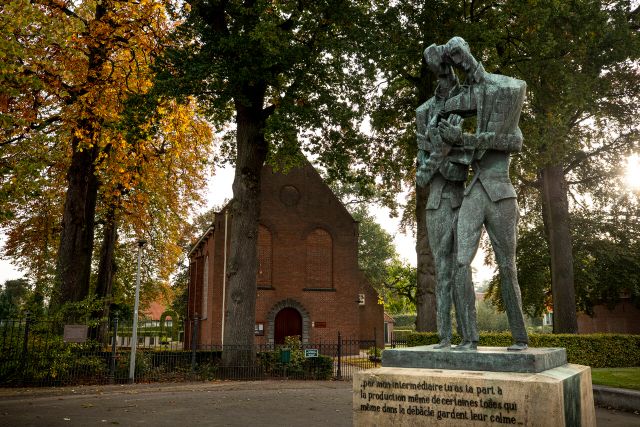
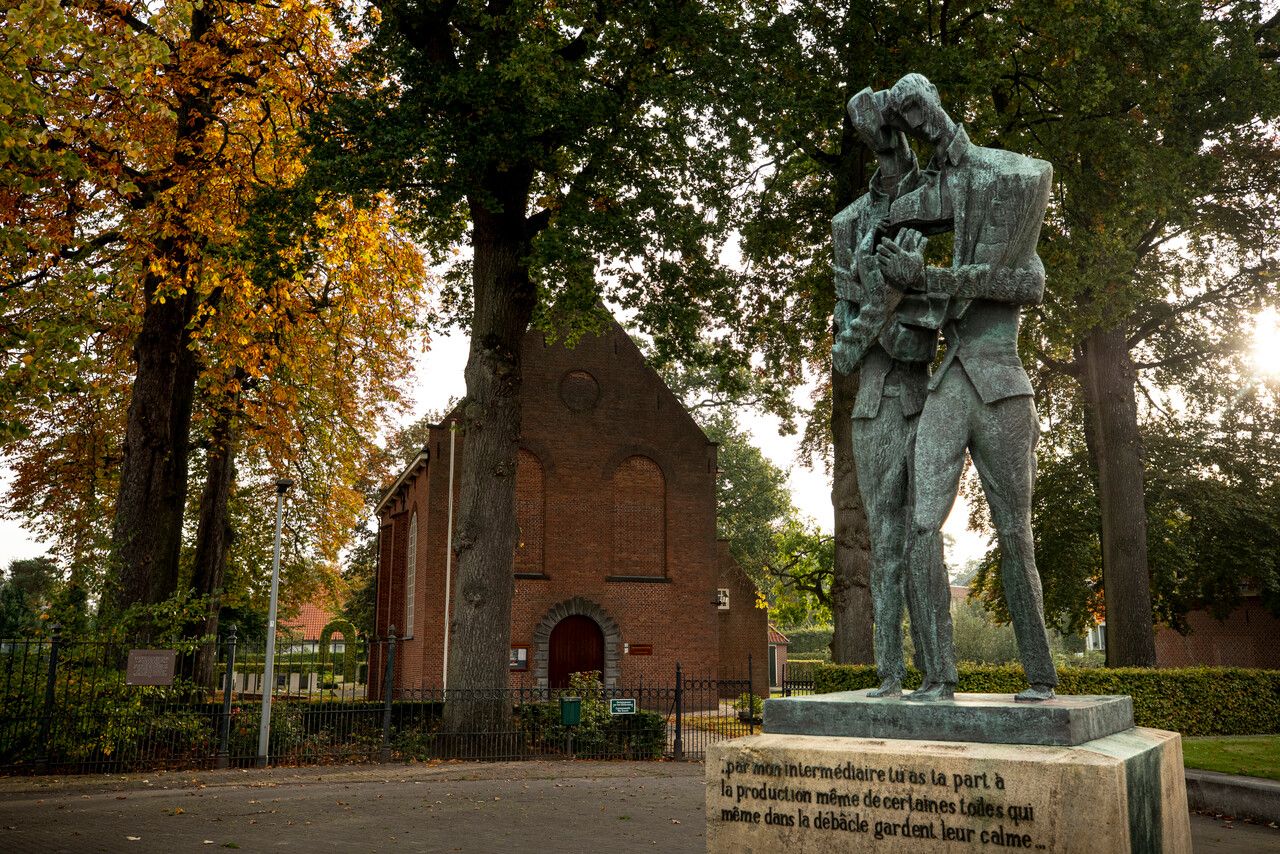
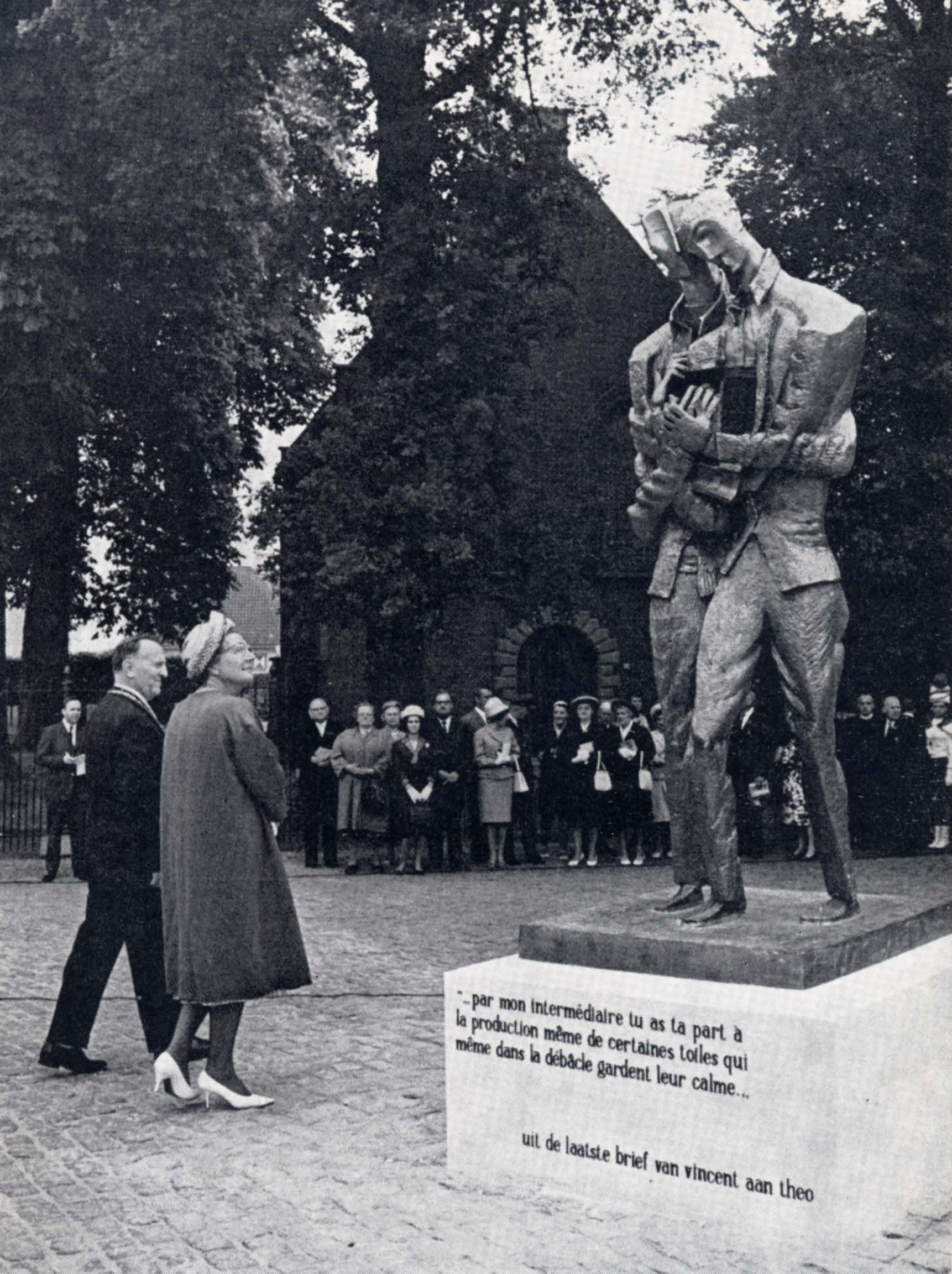
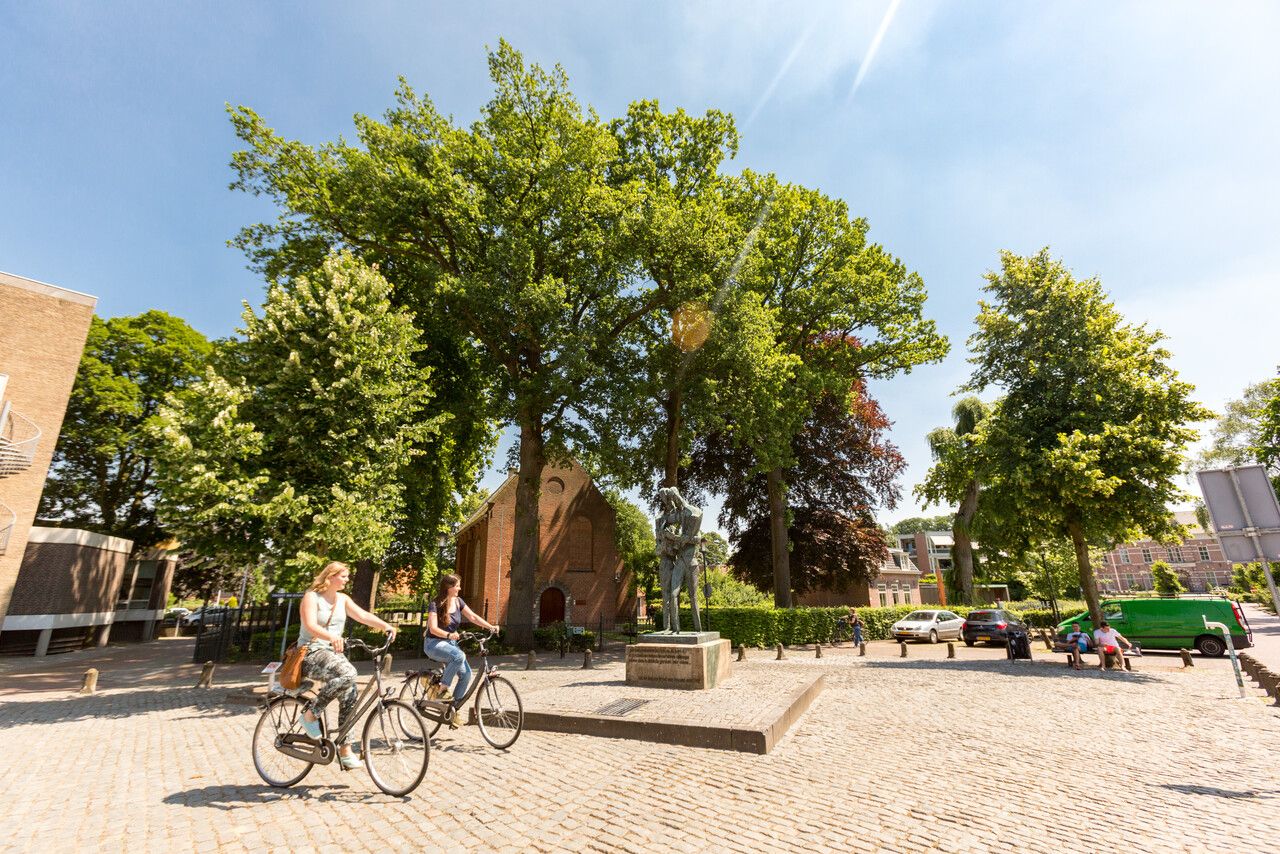
On Van Gogh Square, behind the Van Gogh House, there is an exceptional work of art. Made by Ossip Zadkine, it was unveiled by Queen Juliana in 1964. It depicts Vincent with his brother, Theo. They are intimately entwined. You may ask: which one is Vincent? The answer is neither of the two. The creator of this work of art has never divulged that information. The statue merely portrays their inseparable bond.
Cycle through St Willebrord, where one of Vincent’s favourite models lived: Cornelis Schuitemaker, the only Protestant in the village. In 1881, he posed for Vincent van Gogh’s famous drawings ‘Worn Out’ and ‘Man reading at the fireside’. It wasn’t easy to find people who wanted to pose for him. Even so, Vincent continued drawing models whenever the opportunity arose throughout his life. Furthermore, he worked on ‘sellable’ pieces, such as portraits. The reason why Van Gogh drew self-portraits so often is that models were rather expensive for him. You will find an informative audio column next to the church in St Willebrord, at the entrance to the Processiepark. This commemorates Cornelis Schuitemaker.
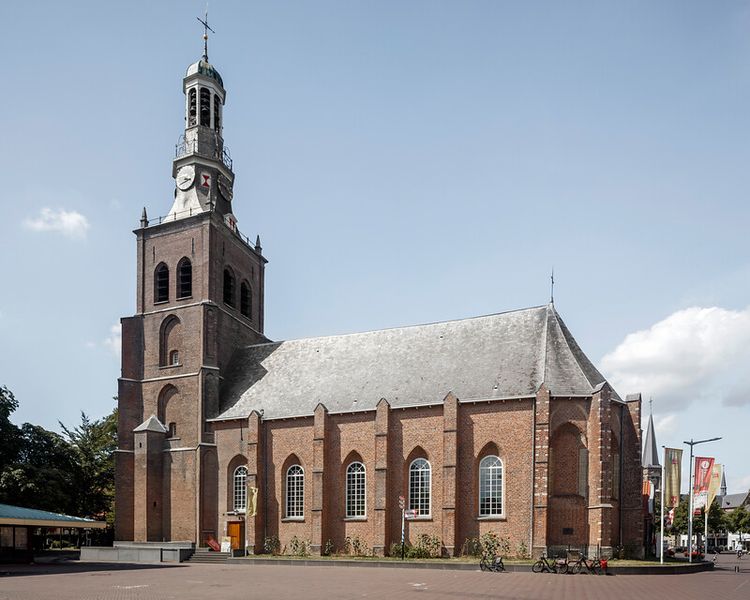
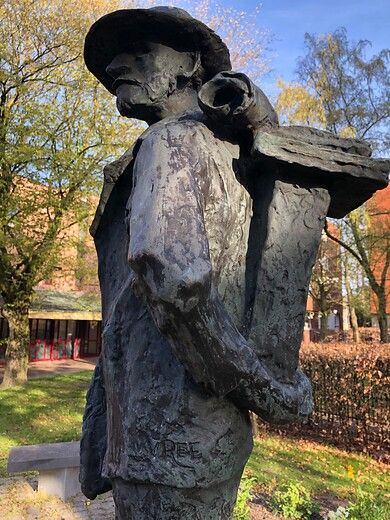
The Van Gogh Church in Etten-Leur was where Vincent’s father, Theodorus van Gogh, used to preach. This former Dutch Reformed Church was officially renamed Van Gogh Church in 2014, as a tribute to Vincent and his family. There is a permanent exhibition in the church, which introduces you to Vincent’s Etten-Leur period. When you walk behind the church, you will see the Van Gogh Courtyard Garden. This is where the parsonage used to be. The back of the parsonage was extended, and Vincent used the space as a study and later as an art studio. Beside the garden behind the church, you will find a bronze statue of Vincent. There is an audio column by the statue, where Vincent takes you along on one of his walks through the Etten-Leur of that time.
You can then admire the Moeierboom (Linden tree). In the summer of 1881, Vincent’s cousin Kee Vos stayed at the parsonage. Vincent fell passionately in love with her, but when he confessed his love to Kee, she replied with a resolute: No, never, ever! Fuelled by the romantic literature he read, Vincent did not give up. He continued, much to the great annoyance and embarrassment of his family, to bombard her with declarations of love. But to no avail. Her decision was resolute. There is an audio column next to the Moeierboom on the Markt, where Vincent tells about his feelings for Kee Vos. The Moeierboom was planted around 1675 and is one of the most exceptional trees in the Netherlands.
At intersection 50, you will find the Bisschopsmolen, a watermill in Etten, built in 1744. It functioned as a grain mill until 1959. During his Brabant period, Vincent made numerous drawings of the mills and watermills. It is likely that he drew De Weltevreden windmill on Roosendaalseweg, Etten-Leur, in the spring of 1881 (it was demolished in 1974).
You then cycle through the Pannenhoef, a stunning nature reserve covering approximately 706 hectares, located between the municipalities of Zundert, Etten-Leur and Rucphen. The area used to be known for its peat excavation. Households and beer breweries used the peat for fuel. The oldest Scots pines are around 200 years old, so they were here in Van Gogh’s day. Vincent van Gogh was a fervent nature lover and regularly walked through this area. He wrote extensively about it in his letters. De Zwarte Schuur visitor centre and outdoor classroom is a remnant of the impressive farm in the middle of the Pannenhoef Estate. Take note of the old pump and the bakehouse, where a family of foresters used to live. You can listen to the story of Van Gogh and the Pannenhoef at the audio column behind De Zwarte Schuur.
How does the Van Gogh cycle route work?
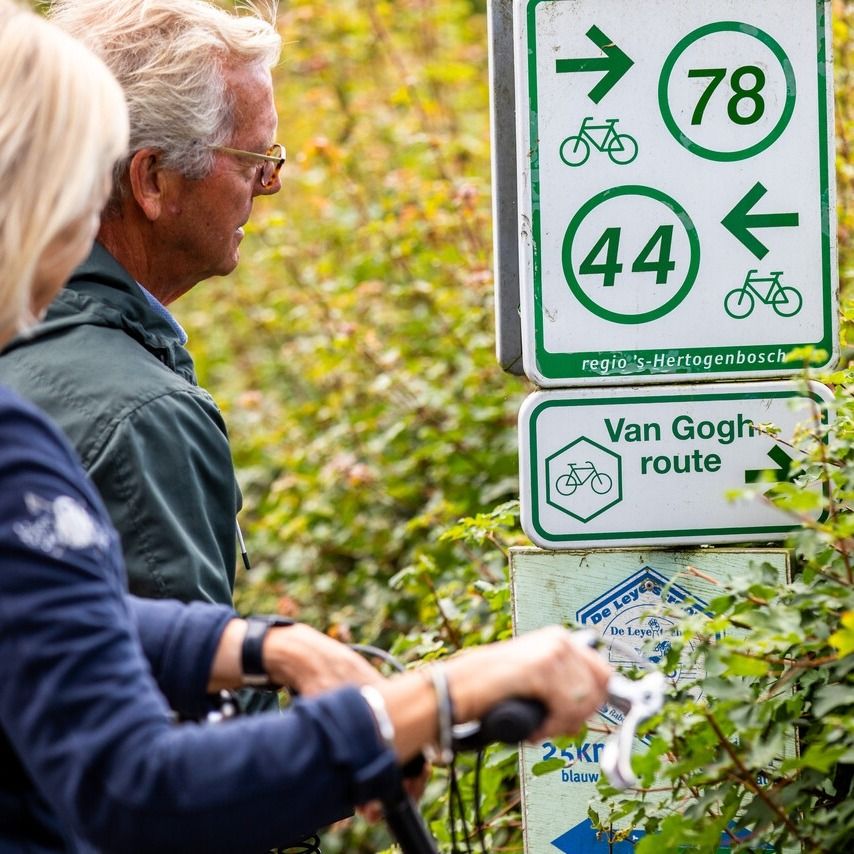
The Van Gogh cycle route forms part of the cycle route network in Brabant. There is a Van Gogh cycle route sign at every intersection. Follow the Van Gogh cycle route signs from one numbered intersection to the other. Follow the cycle route network signs between the intersections. Ten short routes in the form of loops have been marked out. The routes are joined together by linking sections.
-
Signposting Van Gogh Cycle Route
Follow the signs with 'Van Gogh Route'. These are placed underneath the regular junction signs.
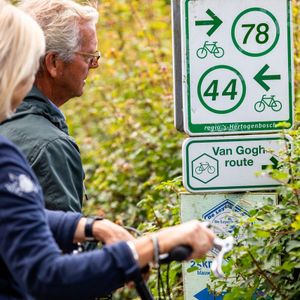
Signposting Van Gogh Cycle Route
Follow the signs with 'Van Gogh Route'. These are placed underneath the regular junction signs.
-
Hotline routes
Hotline routesIf there is something wrong on the route, report it here.
Tips from Brabant residents
Skip map elementsLocations on this route
Vincent van GoghHuis
The Vincent van GoghHuis: a living arts centre in the birthplace of Brabant’s most famous artist ever, stands on the spot where Vincent van Gogh came into the world on 30 March 1853.
Markt 264881 CN Zundert
Navigate to starting point
Aunts’ House, Markt 25 Zundert
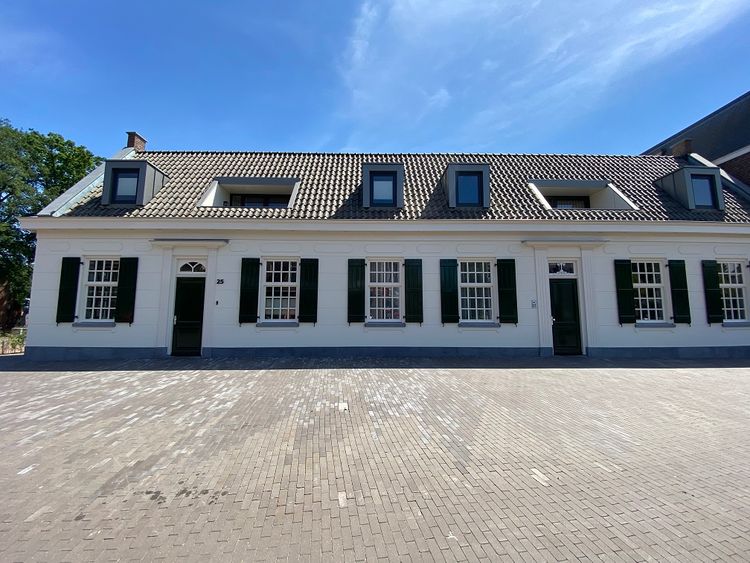
The Van de Burgh sisters, Vincent van Gogh’s godmothers, lived at Markt 25.
Protestant church, cemetery and 'Ropsentuin'
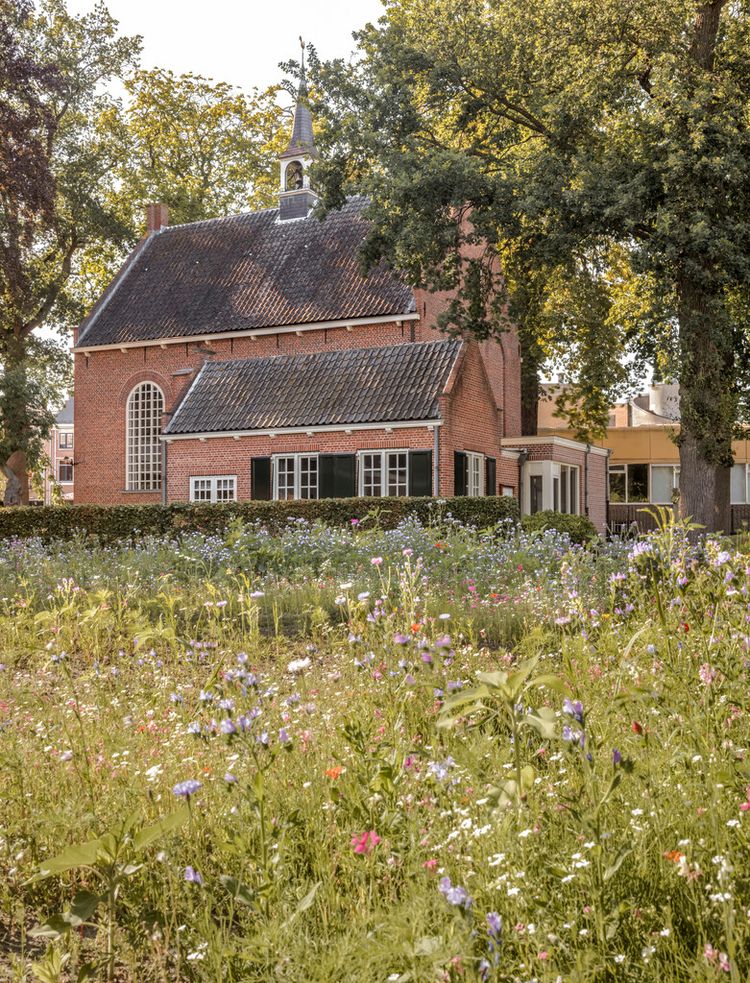
The first child of Vincent van Gogh’s parents was born, but it was not viable. It was buried at this Protestant church.
Kosterswoning
This Kosterswoning, a former old house, was purchased on the recommendation of Reverend Van Gogh by the Dutch Reformed Congregation in 1863.
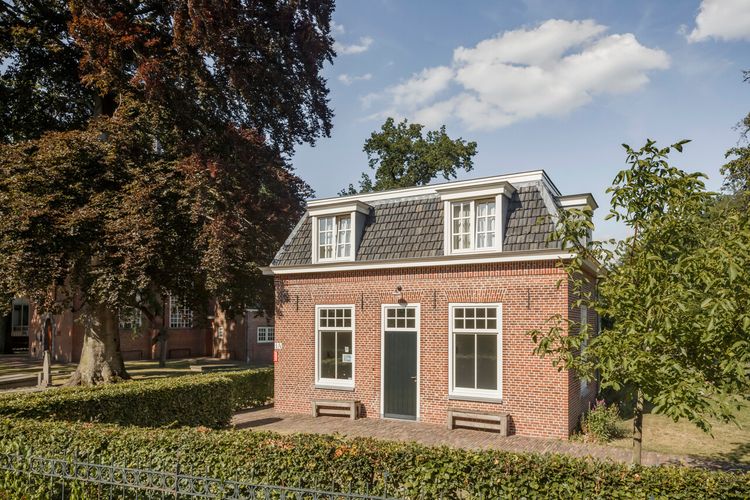
Wallsteijn Estate
On this estate south of De Moeren stands a villa that was built at the beginning of the nineteenth century on the orders of the then mayor of Zundert, Frederik van de Wall.
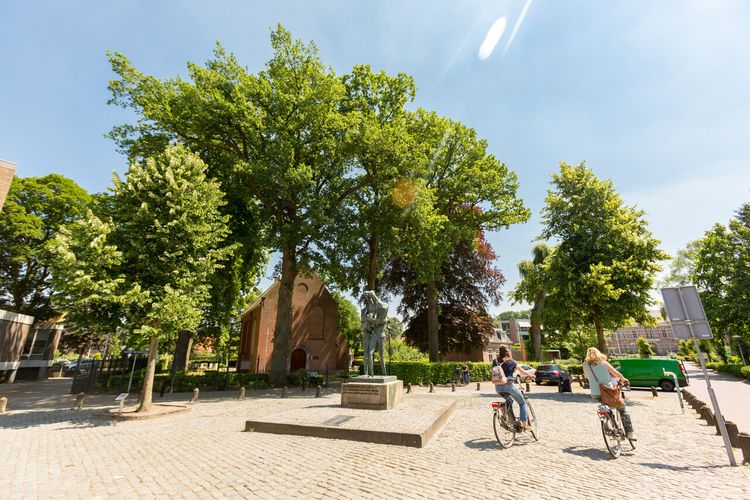
Van Gogh Brothers Monument
This monument was unveiled in 1964 by Queen Juliana. It was created by Ossip Zadkine and was donated by the bankers Van Landschot.
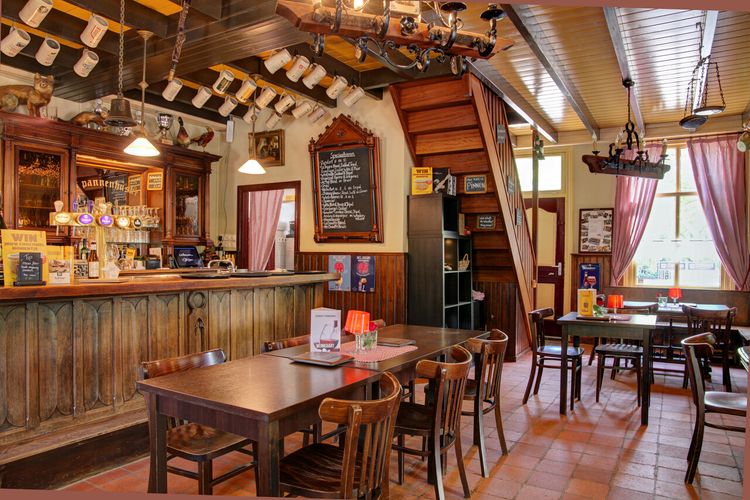
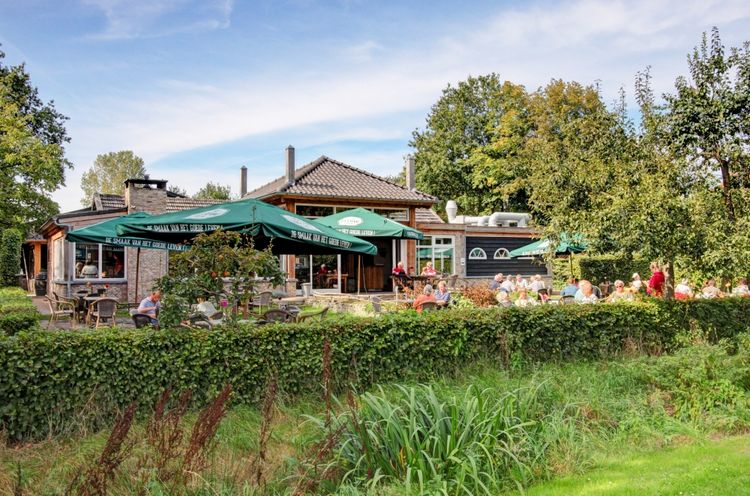
Herberg 't Pannehûske
This cosy and friendly forest café has been a household name in the region for almost a century and a half. With a playground and maze, not only is this a great resting place for cyclists and hikers but it is also an ideal place for the whole family.
De Moeren Nature Reserve
De Moeren Nature Reserve is west of Zundert. It has forests, meadows, agricultural fields, fens and pools.

The Moeierboom in Etten-Leur
The Moeierboom on the Market Square in Etten-Leur was named Tree of the Year in 2020 and is now in the running for European Tree of the Year!
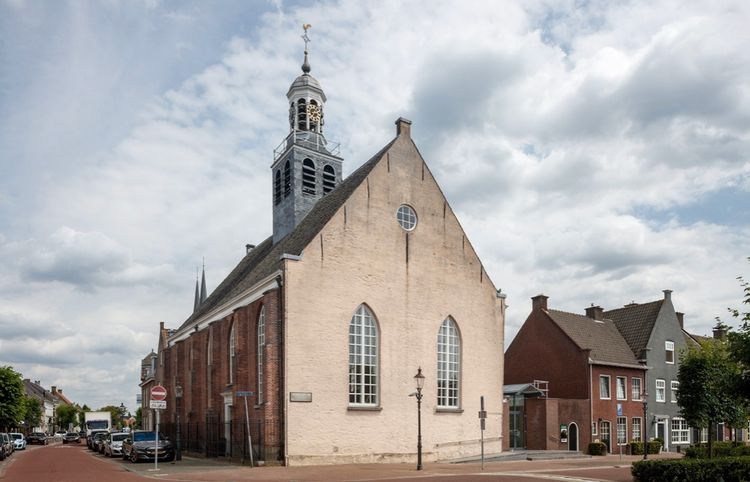
Trouwkerkje / Wedding Church Etten-Leur
The Dutch Reformed Church in Leur (Etten-Leur North) dates from 1614 and is a national monument.
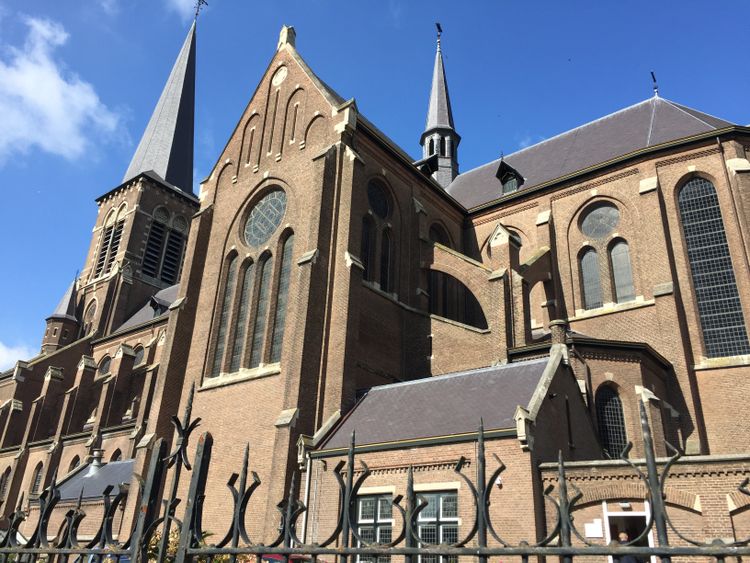
Lambertus Church Etten-Leur
Vincent van Gogh made various sketches and drawings which show the Lambertus Church.
Van Gogh Church
Located in the centre of Etten-Leur, the Van Gogh Church offers a fascinating glimpse into what is probably the least known period in Vincent van Gogh’s life, but certainly not the least important! In Etten (1881) Vincent decided to become an artist!
Site of the vicarage with Vincent’s first studio.
Vincent van Gogh had his first studio in the vicarage in Etten-Leur. The actual building is no longer there but a statue marks the spot.
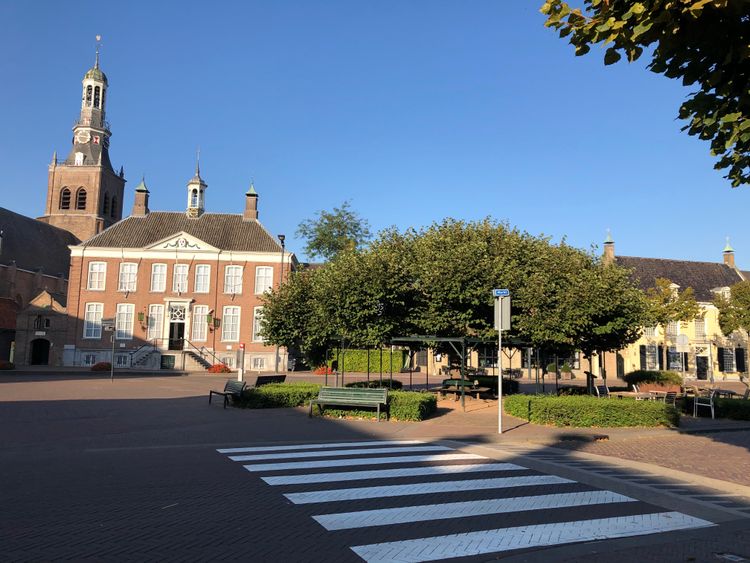
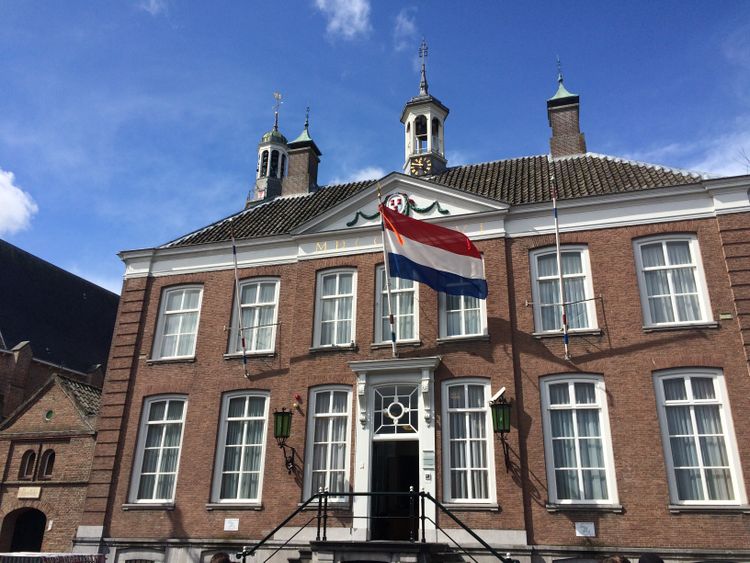
Old Town Hall Etten-Leur
The old council offices (also known as the Meeting Centre) was the former town hall of Etten-Leur. It was here that Vincent van Gogh first registered himself as an artist.
De Menmoerhoeve
At De Menmoerhoeve campsite, restaurant and activity farm, you can enjoy everything the countryside has to offer. If there’s anywhere you can literally immerse yourself in the Brabant farming life, it’s at this recreational farm.
Nature reserve de Pannenhoef
Woodland, pools and flower-filled meadows are typical of de Pannenhoef , a beautiful nature reserve between Etten-Leur, Zundert, Rijsbergen and Sprundel, and with an area of no less than 706 hectares.
Vincent van GoghHuis
The Vincent van GoghHuis: a living arts centre in the birthplace of Brabant’s most famous artist ever, stands on the spot where Vincent van Gogh came into the world on 30 March 1853.
Markt 264881 CN Zundert
Navigate to endpoint
- 64
- 65
- 46
- 79
- 63
- 12
- 77
- 76
- 65
- 64
- 78
- 04
- 61
- 50
- 06
- 89
- 09
- 86
- 88
- 14
- 64
Route features
-
7 places to go in the Brabant countryside with children
Adventure is there for the taking in the Brabant countryside. Getting some exercise, playing and being outdoors means quality time with the whole family. Follow fun children’s routes and gnome paths together.
-
From city to silence: a four-day cycling trip through North Brabant
Make sure your e-bike is fully charged and get ready for a four-day cycling holiday with plenty of delicious spots to take a break.
-
A cultural city trip: Breda and surrounding area
Breda is a city filled with unique stories, some of which you will learn about during this two-day trip.
-
From monastery gardens to drifting sand dunes: a 5-day motorhome road trip through the Van Gogh National Park
Hike and cycle through Van Gogh National Park on a 5-day east–west route. Discover nature, local flavours, and stories, with welcoming motorhome stops near monasteries, castles, woods, dunes, and lively Brabant towns.
-
A long weekend of surprises in the heart of Brabant
Allow yourself three days to be amazed by a part of North Brabant between Tilburg and Esbeek, close to the Belgian border.
-
7 times UNESCO in North Brabant
UNESCO is best known for the World Heritage List. But UNESCO also recognises heritage in other areas, which means you will encounter UNESCO sites also in North Brabant.
-
Slow travel along the best parts of the Land van de Peel
A region where the heart beats to the unmistakable Brabant hospitality, individuality, and passion for enjoying life in a way that only the people of Brabant know how to do.
-
Cycling in the footsteps of Philips and Van Gogh in Eindhoven
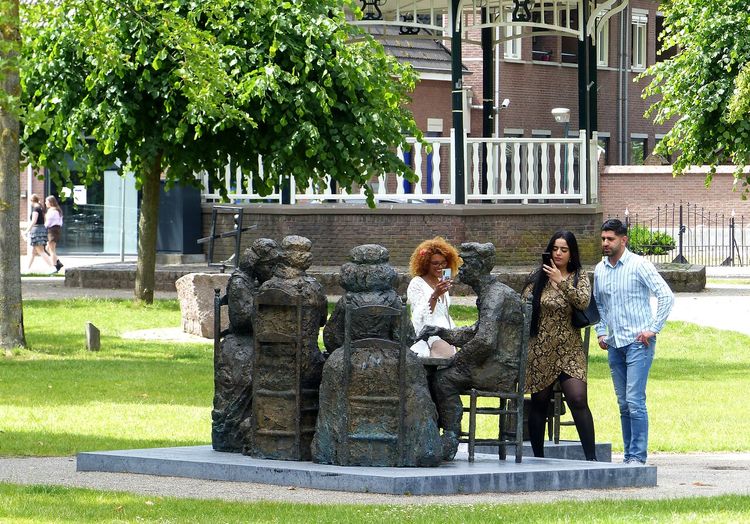
Anyone exploring North Brabant will sooner or later follow in the footsteps of local icons. These are sure to include the Philips brothers and Vincent van Gogh, the master painter.
-
Cycling past the highlights of the Brabantse Wal
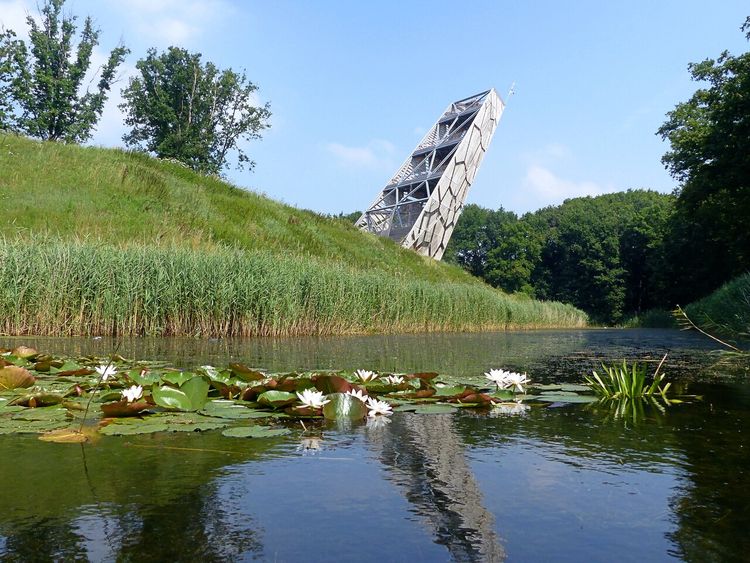
Sandwiched between Zeeland and the Belgian border lies the Brabantse Wal or Brabant Ridge – an area where the higher sandy ground merges into polders of marine clay soil. Let's explore this area by bicycle starting in the historic city, Bergen op Zoom.
-
A weekend of Van Gogh and New Dutch
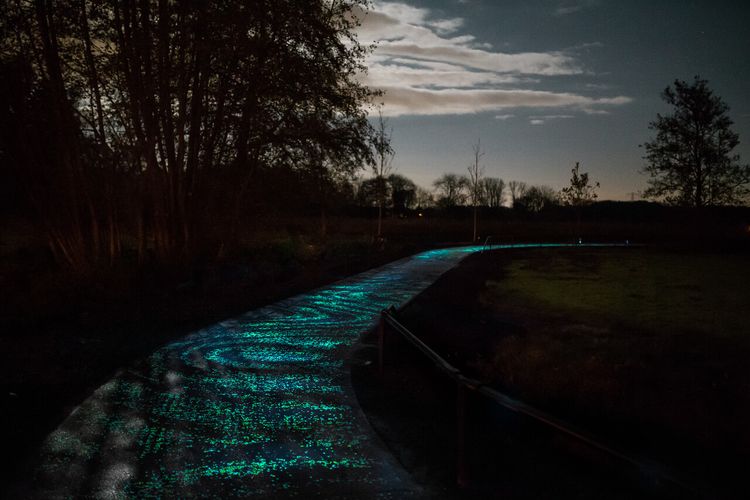
Innovative, persistent and just a bit of a rebel. Immerse yourself for a whole weekend in New Dutch in Eindhoven and cycle in the footsteps of Van Gogh to picturesque Nuenen.