
Cycling stage 2: Veghel – Uden – Mill | German (Railway) Line
Cycle along the traces of the German (Railway) Line over monumental railway bridges and past old guard posts.
Show all 8 photos
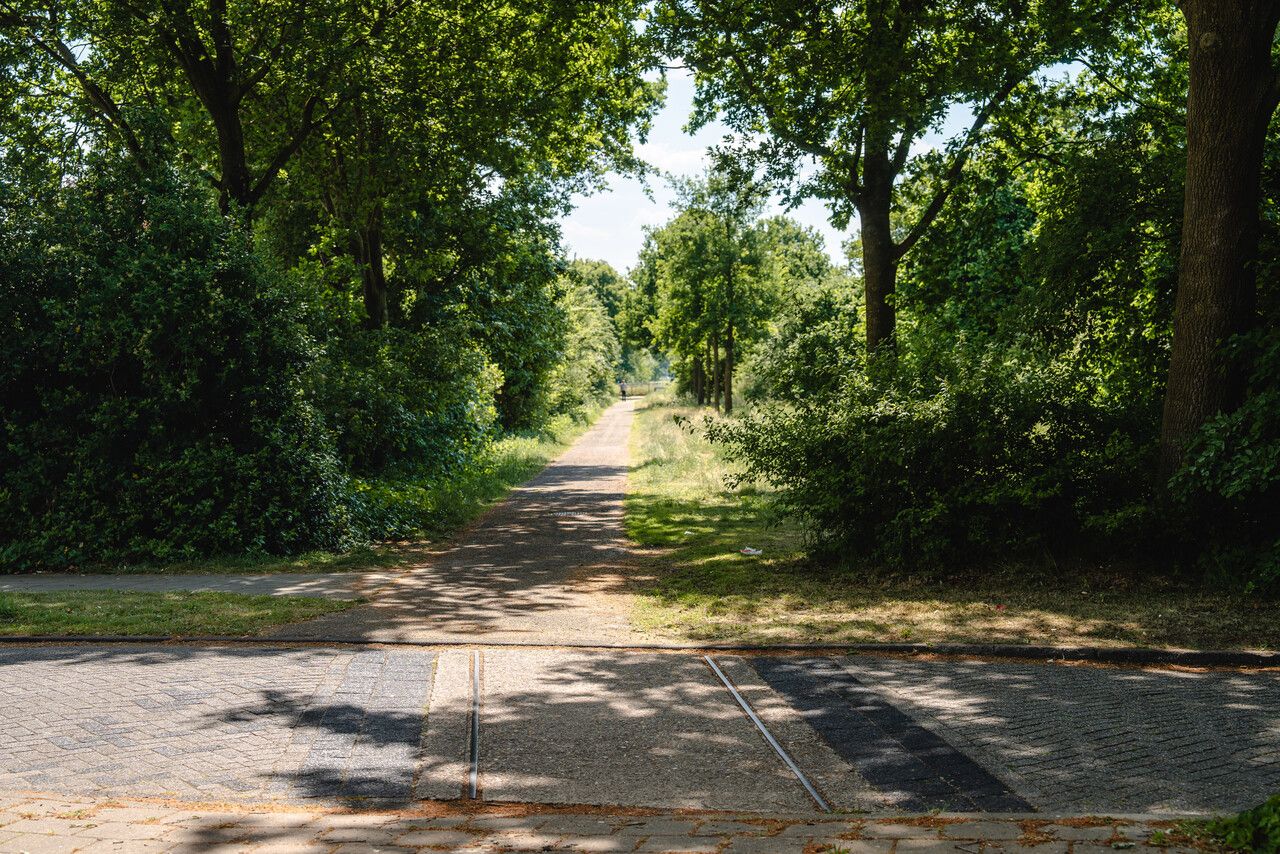
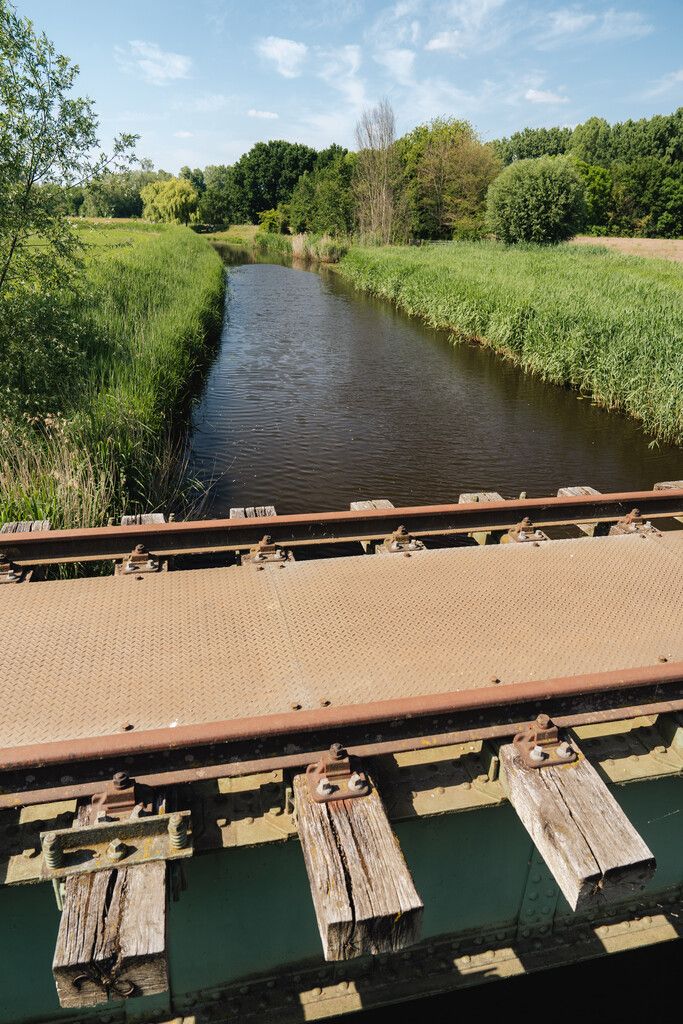
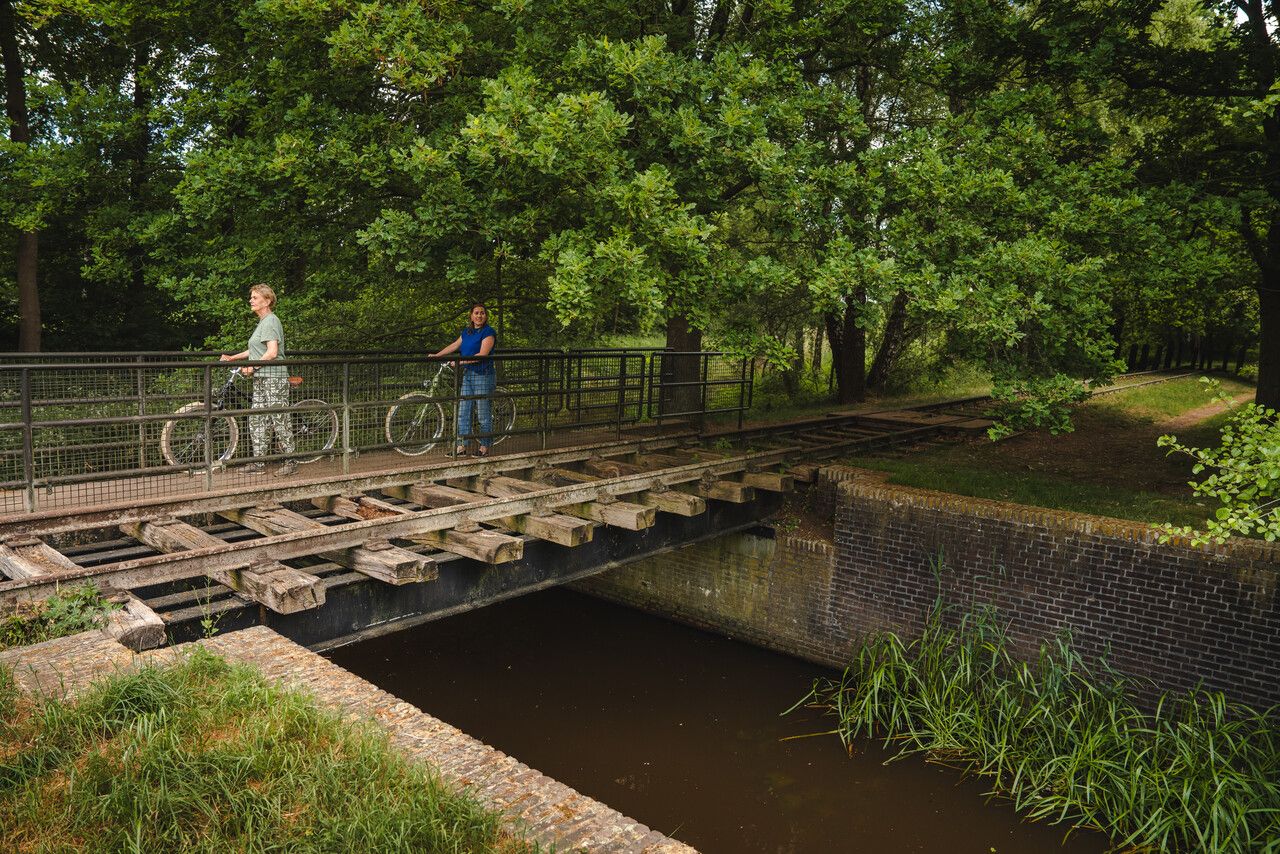
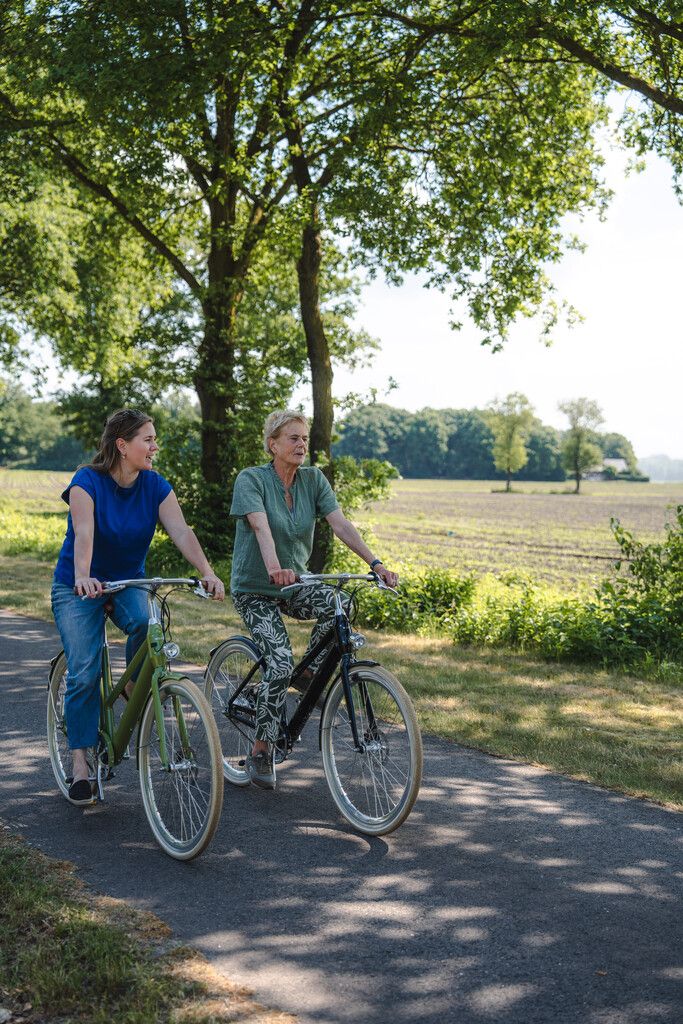
Where dozens of trains once steamed past every day from 1873 onwards, now an excellent track for cycling. The German (Railway) Line marks a unique period in Brabant history. This is the line – at that time an important connection between London, Berlin and Saint Petersburg – travelled by tsars and pilgrims, occupying forces and liberators. The railway connection is no longer used but the stories are still there. You realise this immediately on, for example, this second day-long trip of more than 26 kilometres between Veghel and Mill. When you cycle past the old railway bridges, guard posts and stations, history comes alive. You meet labourers, craftsmen, trackmen and passengers. And while absorbing all of these stories, enjoy the beautiful, rural surroundings as you travel through the Peel national park – just as those tsars and pilgrims once did. Will you join us on our journey?
The cycling tour along th…
Where dozens of trains once steamed past every day from 1873 onwards, now an excellent track for cycling. The German (Railway) Line marks a unique period in Brabant history. This is the line – at that time an important connection between London, Berlin and Saint Petersburg – travelled by tsars and pilgrims, occupying forces and liberators. The railway connection is no longer used but the stories are still there. You realise this immediately on, for example, this second day-long trip of more than 26 kilometres between Veghel and Mill. When you cycle past the old railway bridges, guard posts and stations, history comes alive. You meet labourers, craftsmen, trackmen and passengers. And while absorbing all of these stories, enjoy the beautiful, rural surroundings as you travel through the Peel national park – just as those tsars and pilgrims once did. Will you join us on our journey?
The cycling tour along the German (Railway) Line consists of three day-long stages. This is the second stage. Be sure to check stage 1 (from Boxtel to Veghel) and stage 3 (from Mill to Gennep) as well.
German (Railway) Line
The railway connection between Brabant’s Boxtel and Germany’s Wesel is the German (Railway) Line. This line transported people, post and products over more than 92 kilometres of railway track, bringing the world closer to northeastern Brabant. The mode of transport, new and fast at the time, made new developments in the region possible, especially in the area of industry. The German (Railway) Line no longer exists: the very last goods train rode over the track in 2004. What remains are the abandoned bridges, bits of track and the exciting stories. In three day-long stages by bicycle, you can re-experience the history of this unique railway connection. Each route is between 25 and 35 kilometres long, with green gems in the Brabant and Limburg countryside along the way and various visible reminders along the former train route. Will you join us?
Northeastern Brabant
The German (Railway) Line crosses four municipalities in North Brabant and one in Limburg. For more information about what else there is to do in these various areas, please consult the local websites: Beleef Boxtel (Experience Boxtel), Bezoek Meierijstad (Visit Meierijstad), Visit Land van Cuijk, Explore Maashorst and Visit Gennep.
-
Signposting
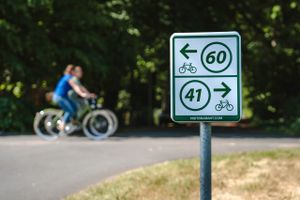
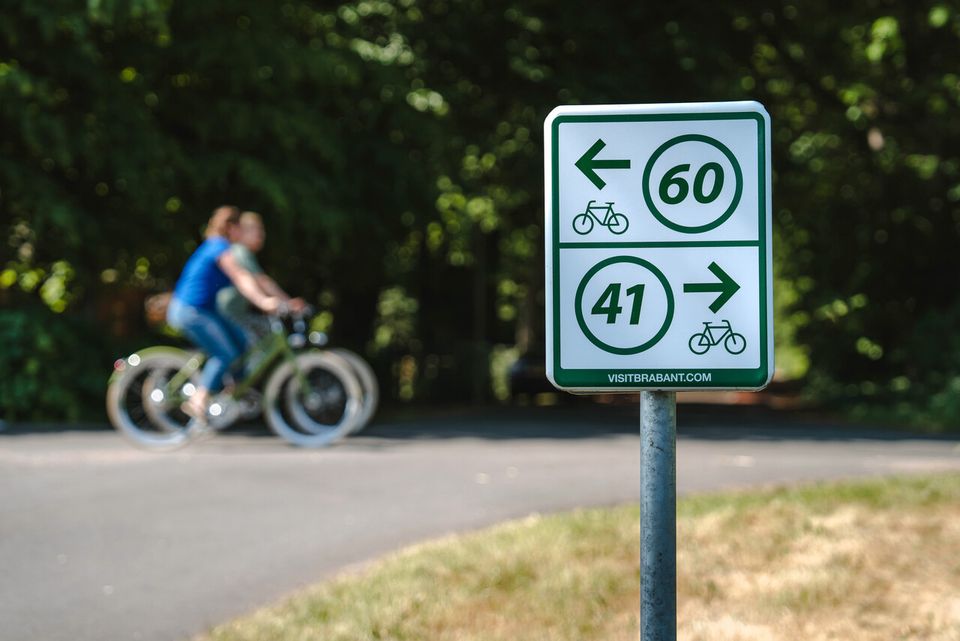
Simply follow the signs and cycle along the route from one numbered junction to the next.
Signposting
Simply follow the signs and cycle along the route from one numbered junction to the next.
-
Hotline routes
Hotline routesIf there is something wrong on the route, report it here.
from Brabant residents
Skip map elementsLocations on this route
-
82
Start point:
Waypoint bike 82
Veghel
Navigate to starting point -
82
-
Railway Bridge over the Aa
Railway Bridge over the Aa
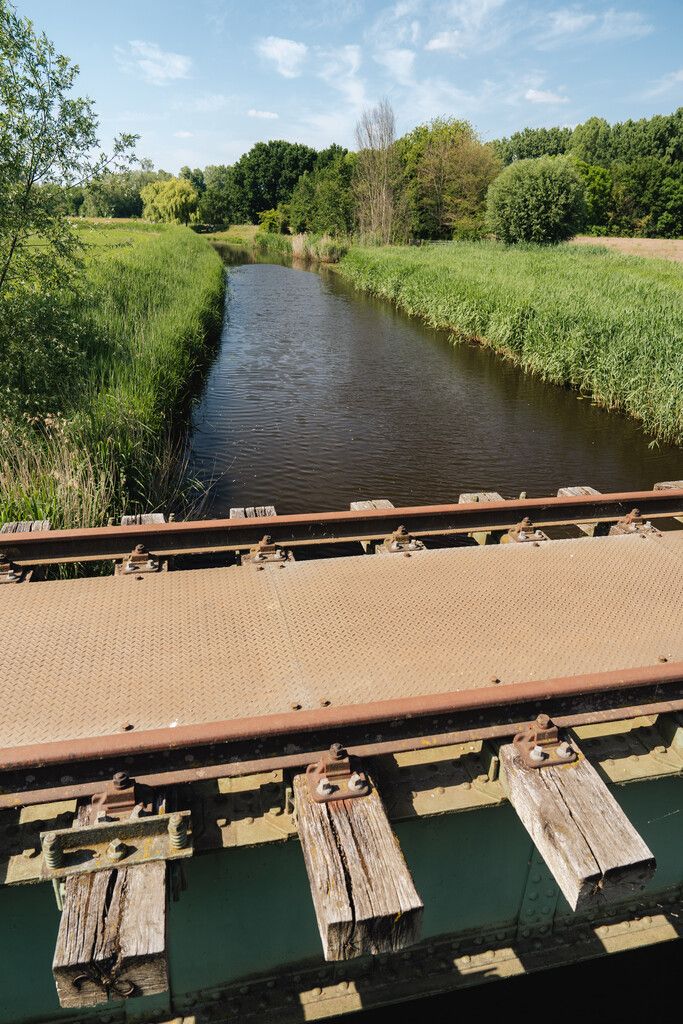
This national monument cuts straight through the Aa-Broeken nature reserve, and you can cross it via the adjacent cycling and walking bridge.
-
96
-
Railway Bridge over the Zuid-Willemsvaart
Railway Bridge over the Zuid-Willemsvaart
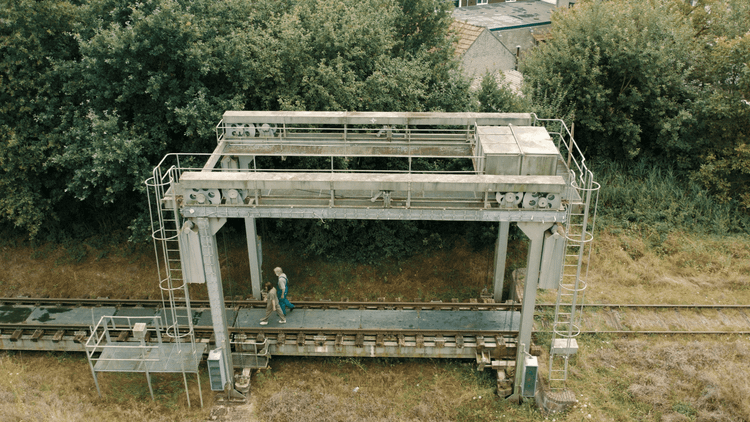
This is the electric lift bridge that was installed over the Zuid-Willemsvaart in 1961.
-
Former Veghel Station
Former Veghel Station
The tracks are still there, there's a sign with the name, and some foundations are visible.
-
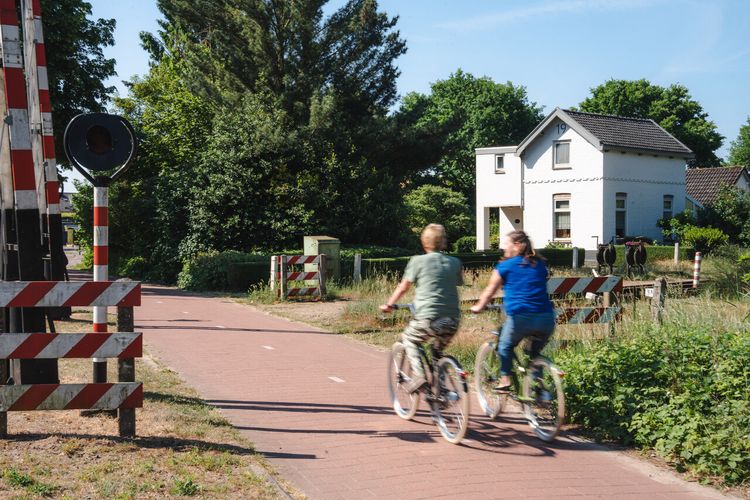
Gatehouse 19 | Manual Operation
Gatehouse 19 | Manual Operation
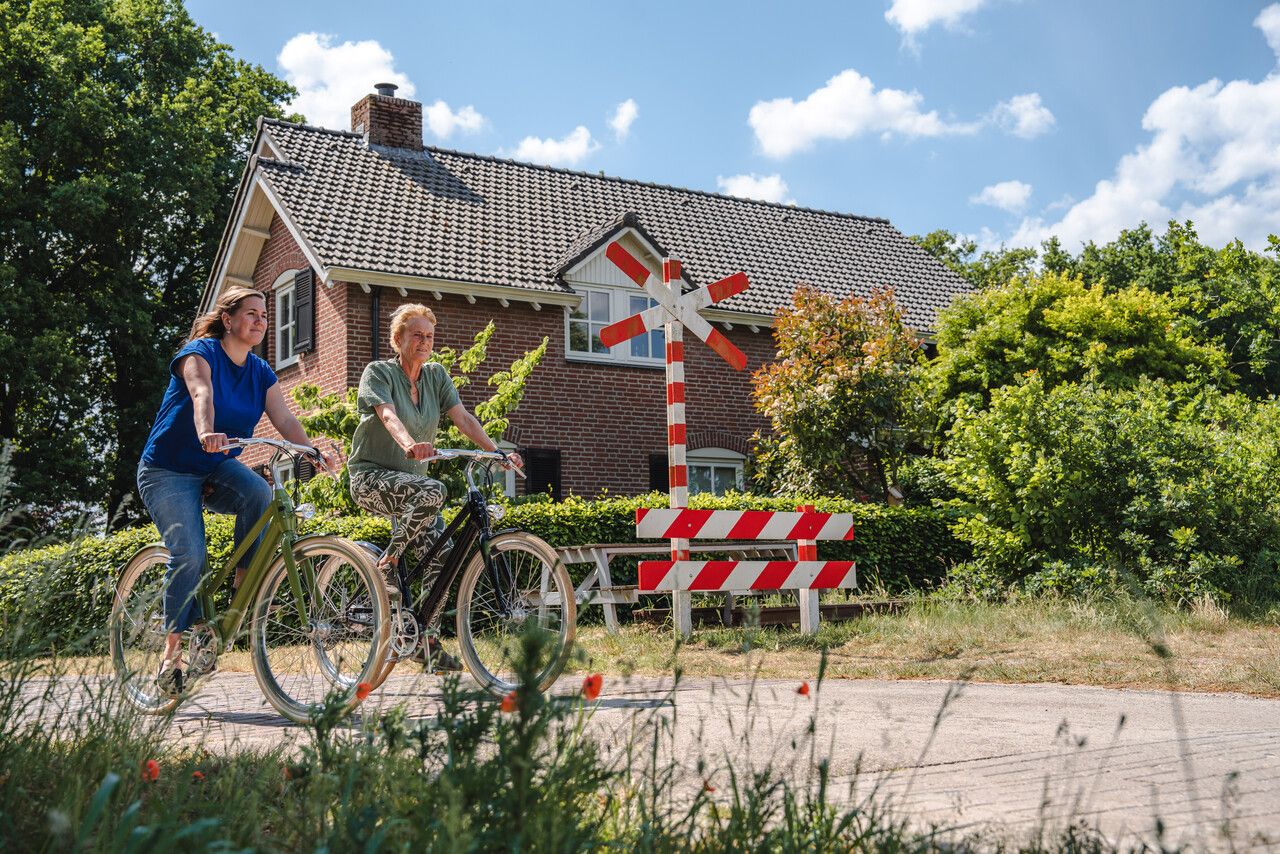
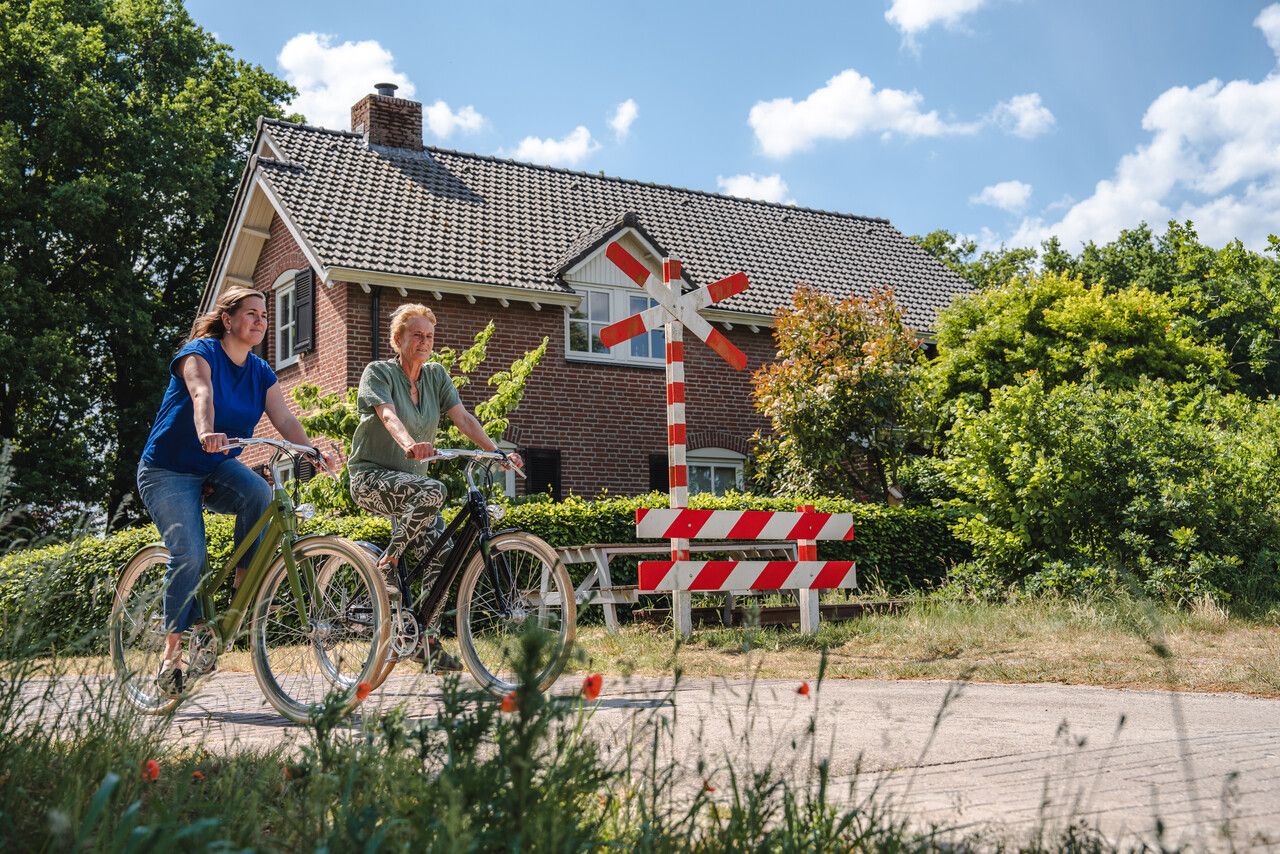
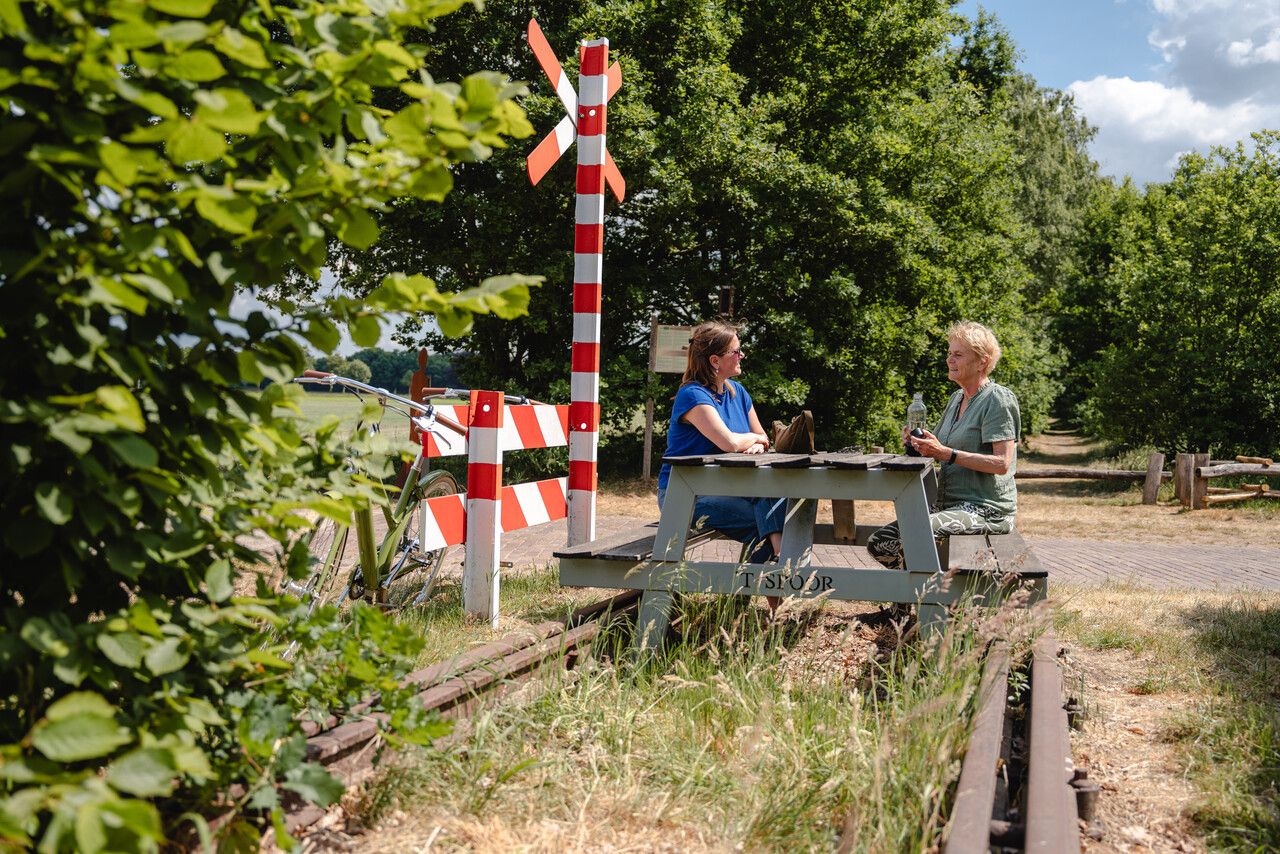
It’s a curious sight: a barrier and a railway signal next to a bicycle path.
-
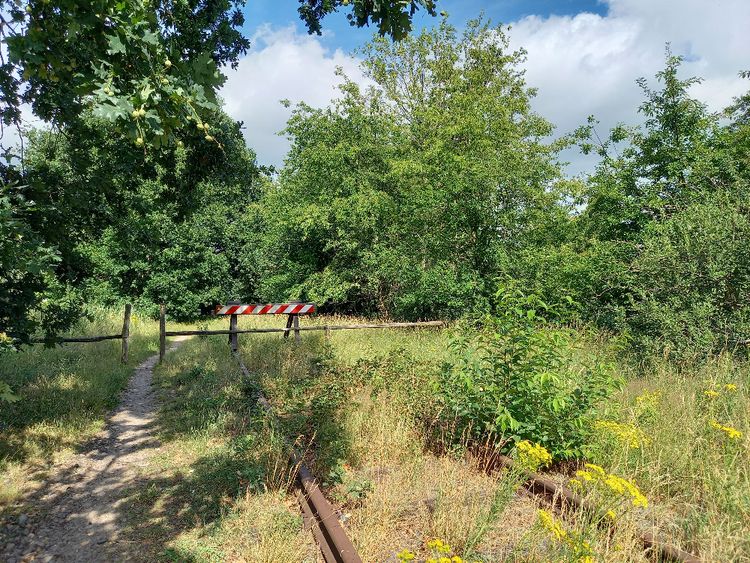
Railway Embankment of the Duits Lijntje | Nature Garden ’t Bundertje
Railway Embankment of the Duits Lijntje | Nature Garden ’t Bundertje
Along the very spot where you're standing now, millions of train passengers once rumbled by. Today, you’ll mostly find plants and animals here.
-
97
-
98
-
Gatehouse 22
Gatehouse 22
The tracks are gone, but the gatehouse still stands. This road used to be the main connection between Veghel and Uden.
-
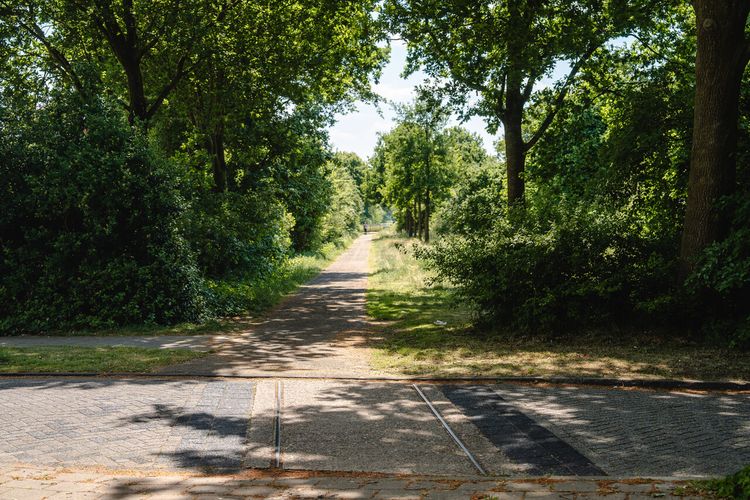
Railway Crossing Burenstraat–Klemvogel
Railway Crossing Burenstraat–Klemvogel
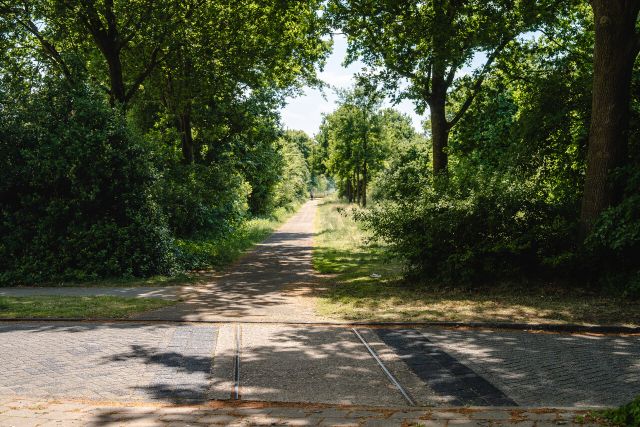
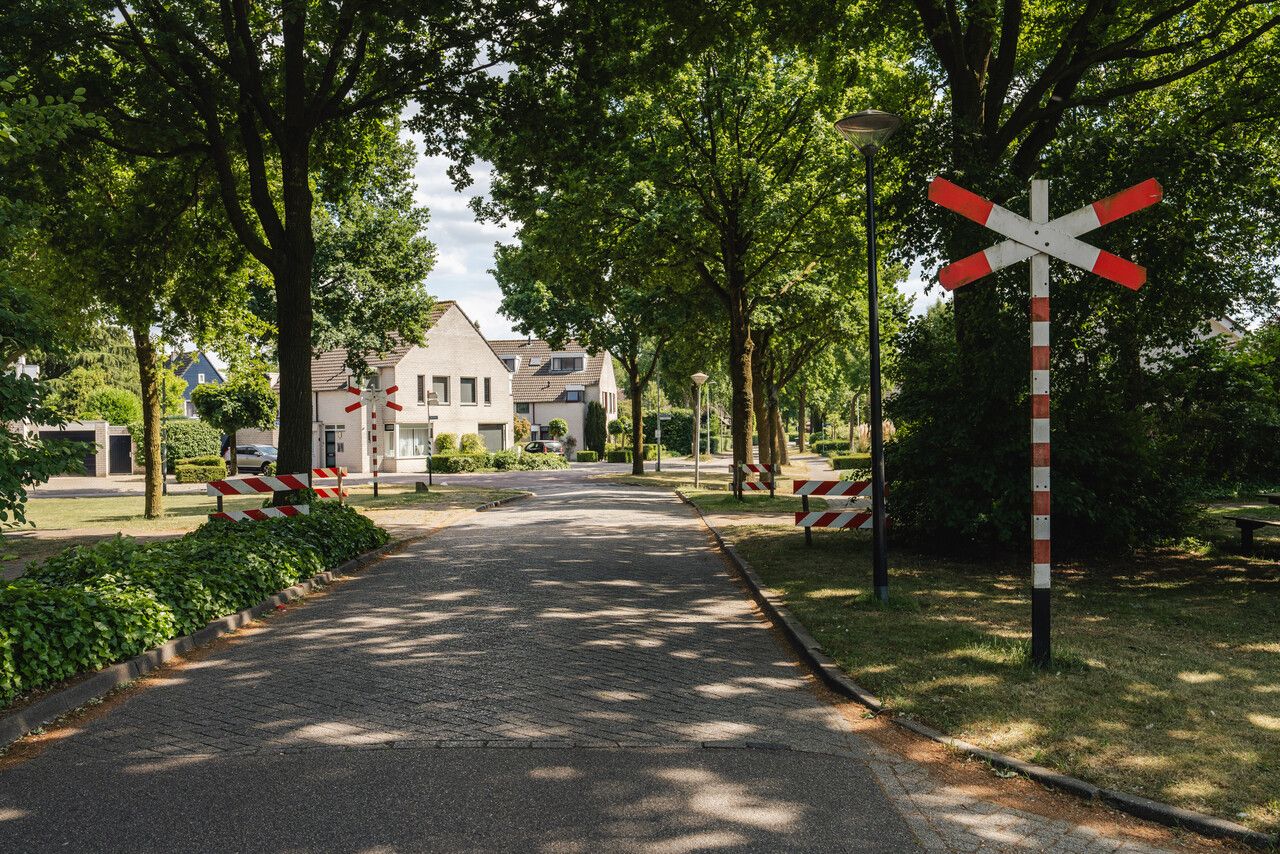
It’s only thanks to the remaining crossbucks and red-and-white striped crossing markings that you might notice it at all. Otherwise, the small stretch of rail still lying here could easily go unnoticed.
-
10
-
09
-
08
-
77
-
13
-
72
-
62
-
Gatehouse 29
Gatehouse 29
A small stretch of camouflage track and an information panel are what remind us here of the Duits Lijntje. Well, that's not entirely true...
-
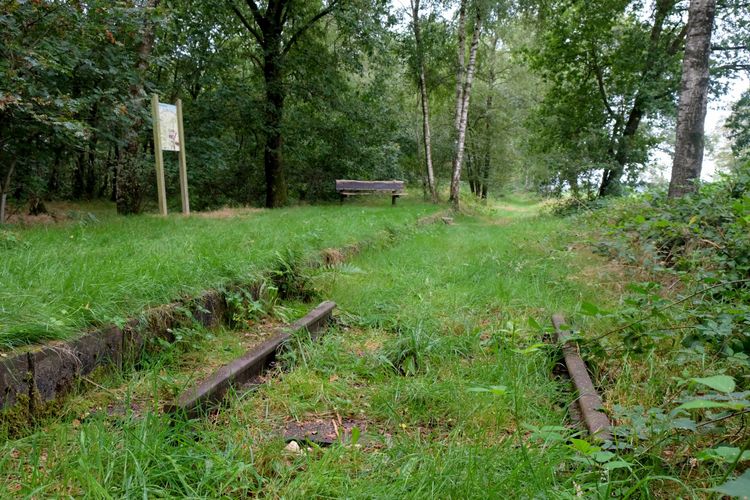
Mariniersperron
Mariniersperron
The two platforms are still clearly visible in the landscape, and an information sign, a bench, and a section of track have been installed there.
-
Steltenberg Visitor Center
Steltenberg Visitor Center
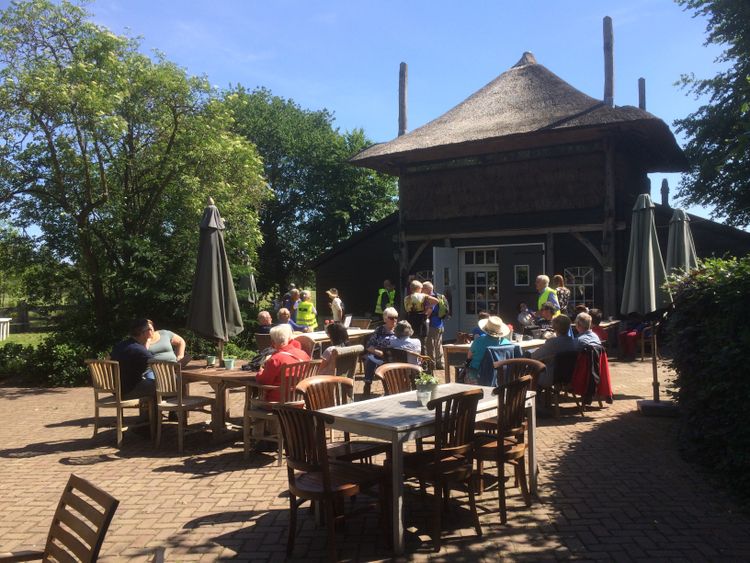
Take a walk from the Steltenberg Visitor Center along the tracks of the “Duits Lijntje.” With a guide, you’ll hear stories about sentries, ammunition trains, and soldiers during World War II. A special addition to your cycling route through the region.
-
60
-
Zeeland Stop | Gatehouse 30
Zeeland Stop | Gatehouse 30
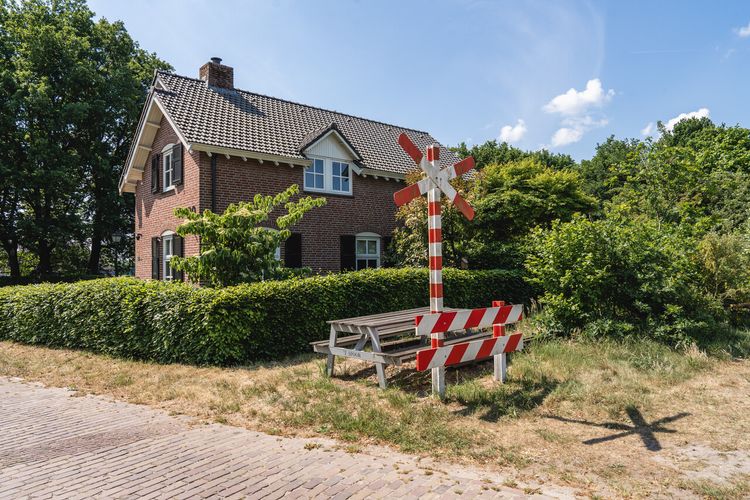
How do we keep the railway safe? Today, we use signals and barriers. But in the past, railway watchmen and watchwomen played a vital role.
-
63
-
Camouflage Track
Camouflage Track
Fearing air attacks on the ammunition trains during unloading, the trains were camouflaged.
-
57
-
22
-
“Asparagus Barrier” Monument
“Asparagus Barrier” Monument
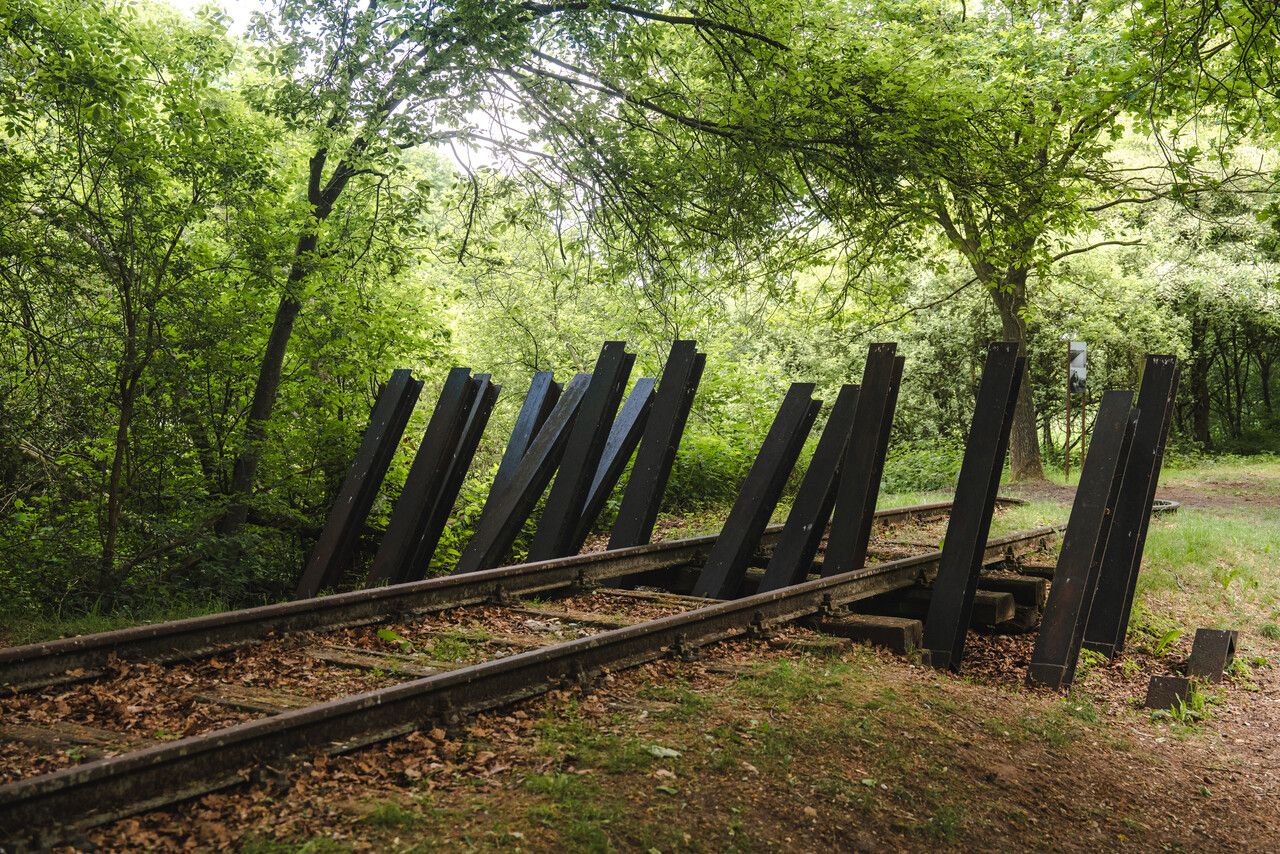
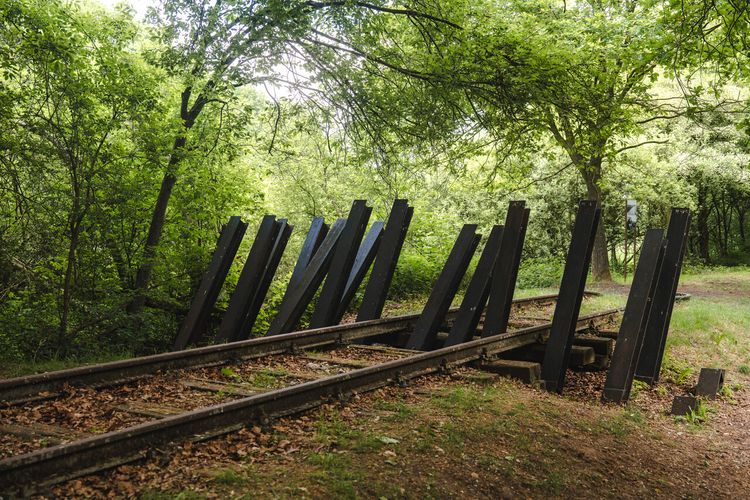
In 1940, the German occupiers broke through the Peel-Raam Line via the “Duits Lijntje.” An armored train derailed at the asparagus barrier in Mill. The damage to the tracks is still visible today and tells the story of that surprising turn of events in the battle.
-
58
-
Former Mill Station | De Wissel
Former Mill Station | De Wissel
Starting in July 1873, trains arrived and departed from Mill Station via the Duits Lijntje
-
Railway Bridge over the Raam
Railway Bridge over the Raam
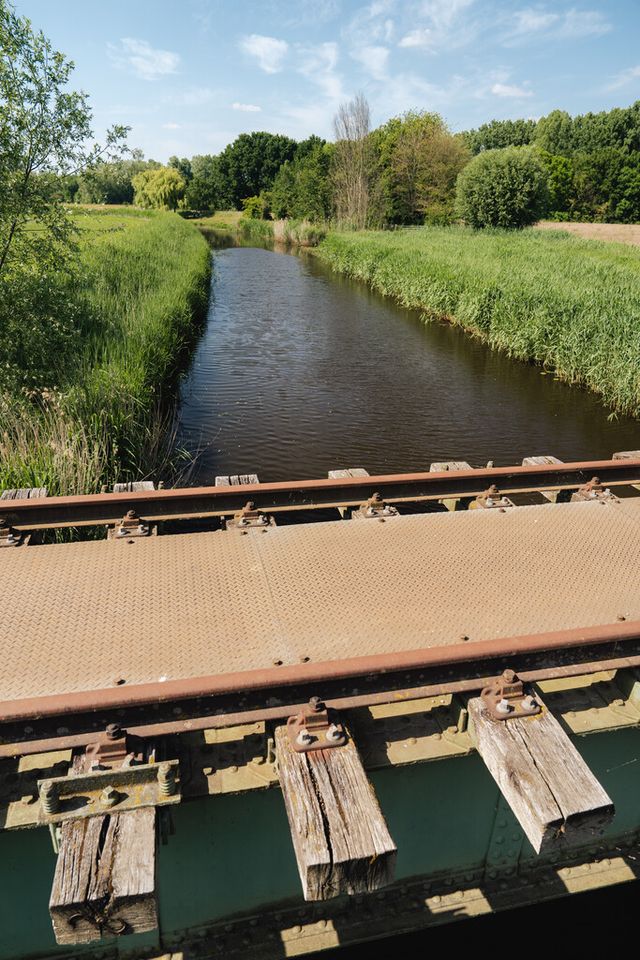
It's a bit hidden at this spot, but behind the bushes you'll find the Raam—a watercourse of great significance to this area.
- 82
- 82
- 96
- 97
- 98
- 10
- 09
- 08
- 77
- 13
- 72
- 62
- 60
- 63
- 57
- 22
- 58
Route features
-
7 places to go in the Brabant countryside with children
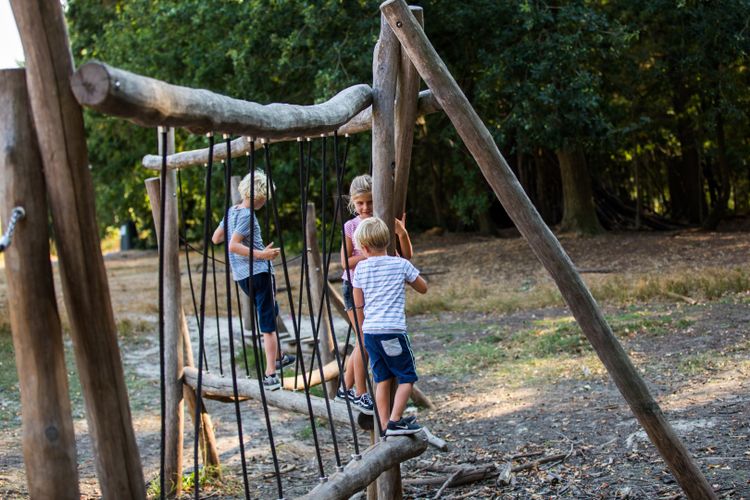
Adventure is there for the taking in the Brabant countryside. Getting some exercise, playing and being outdoors means quality time with the whole family. Follow fun children’s routes and gnome paths together.
-
From city to silence: a four-day cycling trip through North Brabant
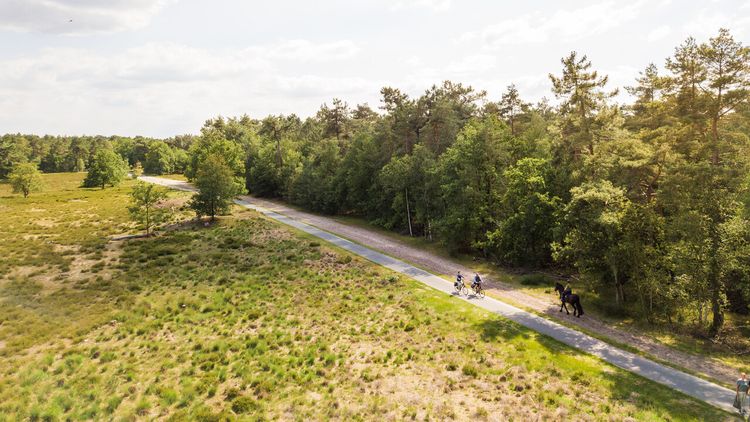
Make sure your e-bike is fully charged and get ready for a four-day cycling holiday with plenty of delicious spots to take a break.
-
A cultural city trip: Breda and surrounding area
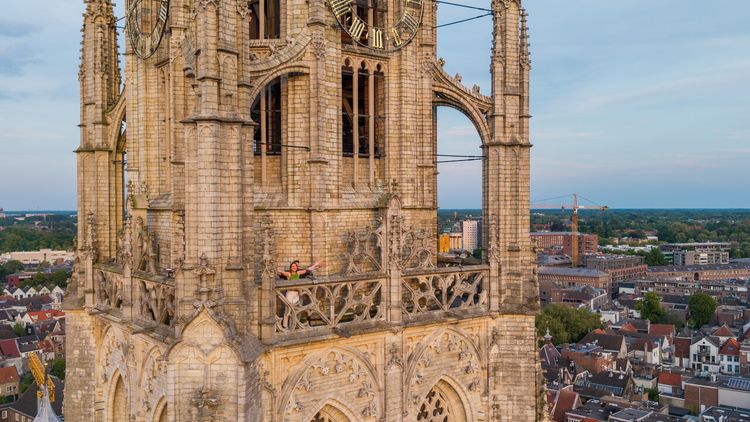
Breda is a city filled with unique stories, some of which you will learn about during this two-day trip.
-
From monastery gardens to drifting sand dunes: a 5-day motorhome road trip through the Van Gogh National Park
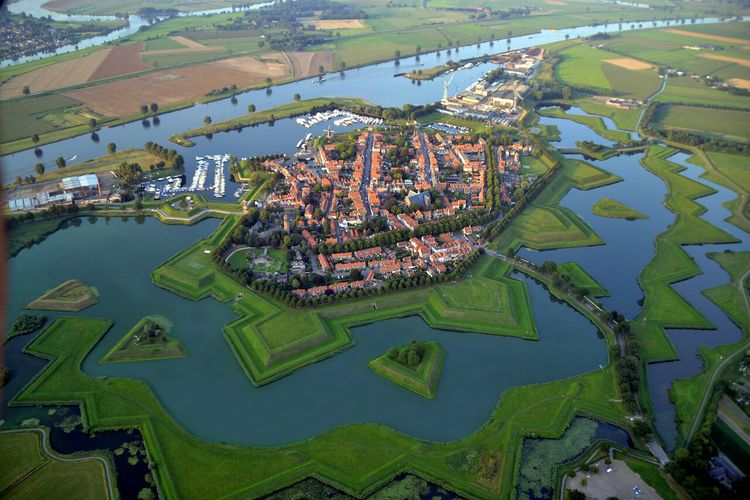
Hike and cycle through Van Gogh National Park on a 5-day east–west route. Discover nature, local flavours, and stories, with welcoming motorhome stops near monasteries, castles, woods, dunes, and lively Brabant towns.
-
A long weekend of surprises in the heart of Brabant
Allow yourself three days to be amazed by a part of North Brabant between Tilburg and Esbeek, close to the Belgian border.
-
7 times UNESCO in North Brabant
UNESCO is best known for the World Heritage List. But UNESCO also recognises heritage in other areas, which means you will encounter UNESCO sites also in North Brabant.
-
Slow travel along the best parts of the Land van de Peel
A region where the heart beats to the unmistakable Brabant hospitality, individuality, and passion for enjoying life in a way that only the people of Brabant know how to do.
-
Cycling in the footsteps of Philips and Van Gogh in Eindhoven
Anyone exploring North Brabant will sooner or later follow in the footsteps of local icons. These are sure to include the Philips brothers and Vincent van Gogh, the master painter.
-
Cycling past the highlights of the Brabantse Wal
Sandwiched between Zeeland and the Belgian border lies the Brabantse Wal or Brabant Ridge – an area where the higher sandy ground merges into polders of marine clay soil. Let's explore this area by bicycle starting in the historic city, Bergen op Zoom.
-
A weekend of Van Gogh and New Dutch
Innovative, persistent and just a bit of a rebel. Immerse yourself for a whole weekend in New Dutch in Eindhoven and cycle in the footsteps of Van Gogh to picturesque Nuenen.