
Erfdijk
The Erfdijk is a small, winding dike that once protected the village of Herpen from the waters of the Meuse River flowing in from the southeast. The Erfdijk was constructed around 1300, making it one of the first dikes in the Meuse region.
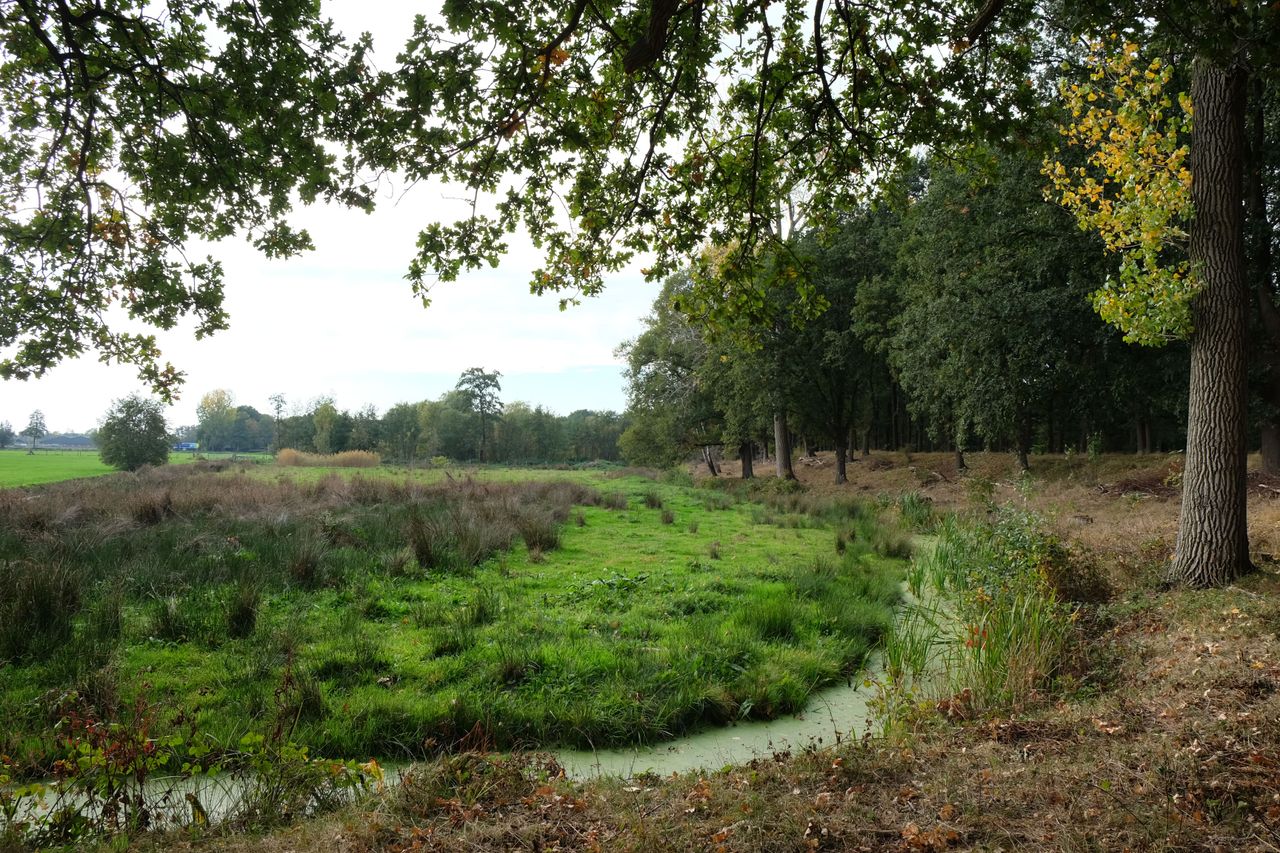
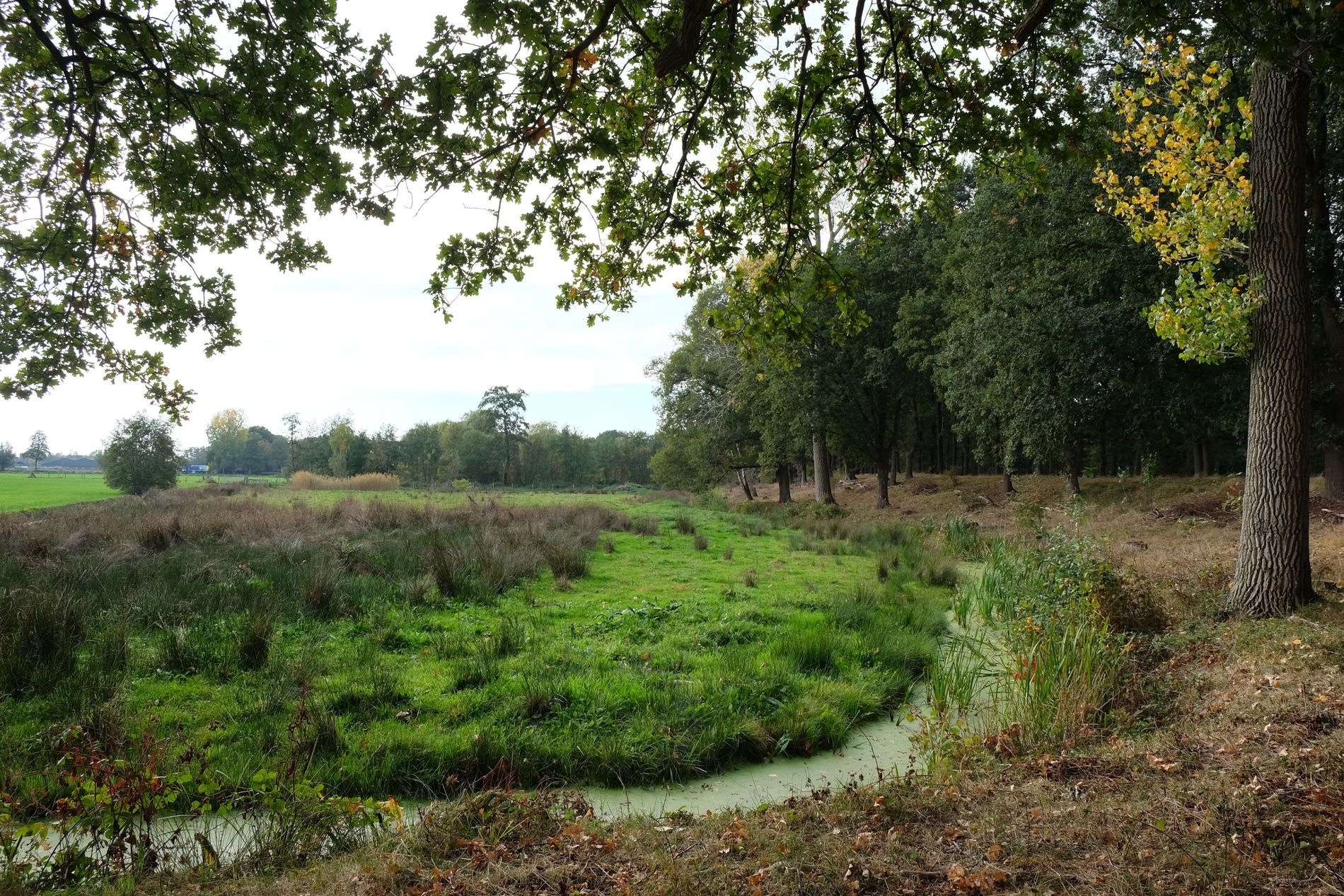
The Erfdijk is a small, winding dike that once protected the village of Herpen from the waters of the Meuse River flowing in from the southeast. The Erfdijk was constructed around 1300, making it one of the first dikes in the Meuse region. The name is related to the division of communal land among the residents of Herpen: each plot or homestead was assigned a section of the dike to maintain.
When the area flooded, the dike suffered greatly from the high water. Consequently, there have be…
The Erfdijk is a small, winding dike that once protected the village of Herpen from the waters of the Meuse River flowing in from the southeast. The Erfdijk was constructed around 1300, making it one of the first dikes in the Meuse region. The name is related to the division of communal land among the residents of Herpen: each plot or homestead was assigned a section of the dike to maintain.
When the area flooded, the dike suffered greatly from the high water. Consequently, there have been many dike breaches over the centuries. This is still visible here and there in the landscape through the so-called “wielen” that formed here, such as the Brouwerswiel and the Couwenwiel. Wielen are deep pools located along a dike that formed as a result of a local dike breach, where the water surges with great force into the land behind it. Today, these wielen are beautiful, sheltered ponds, each with its own unique atmosphere. Unfortunately, dozens of wielen have been filled in over the years. The small farmhouse at number 22 is over 200 years old. It dates back to 1811. It has a so-called “wolf’s roof”: a gable roof with two sloped sides on the short ends. These sloped sides are also known as wolf’s ends or wolf’s gables.
Take a moment to notice the beautiful espalier lime trees along this house. In the past, people planted lime trees to keep their homes cool, but also because of the nectar in the lime blossoms. Many people kept bees, mainly for the honey because it is very healthy, but also to make their own candles from the beeswax. This was also widely used to polish furniture. Linden wood was used for woodcarving to make items such as crucifixes, holy water fonts, etc.
This text has been translated using AI.