
Saint Anthony of Padua Monastery
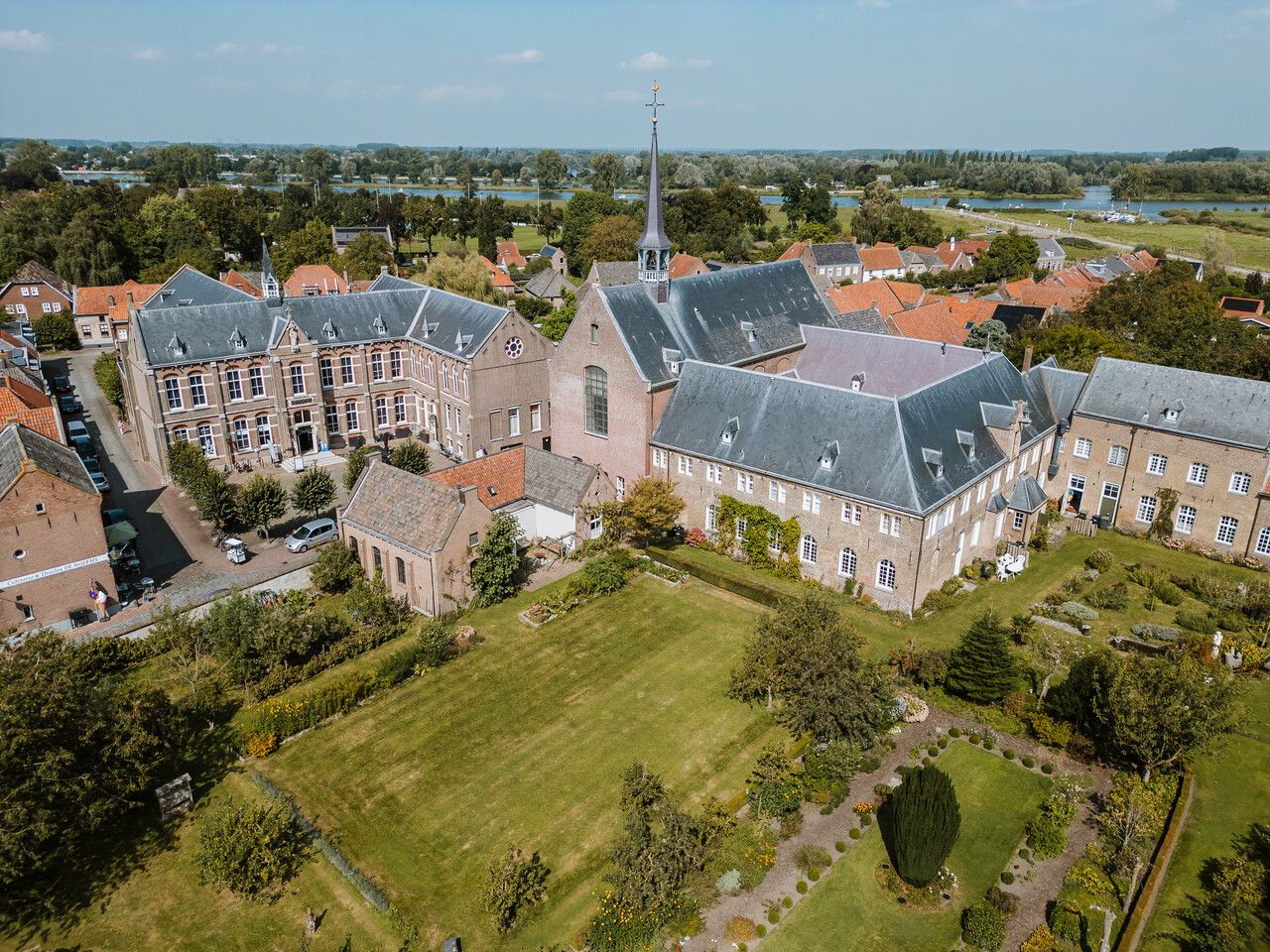
Two monasteries along the River Meuse in Megen are still inhabited today. The Poor Clares live in Saint Joseph’s Hill Monastery, while the Order of Friars Minor resides in the Saint Anthony Monastery.
Show all 4 photos
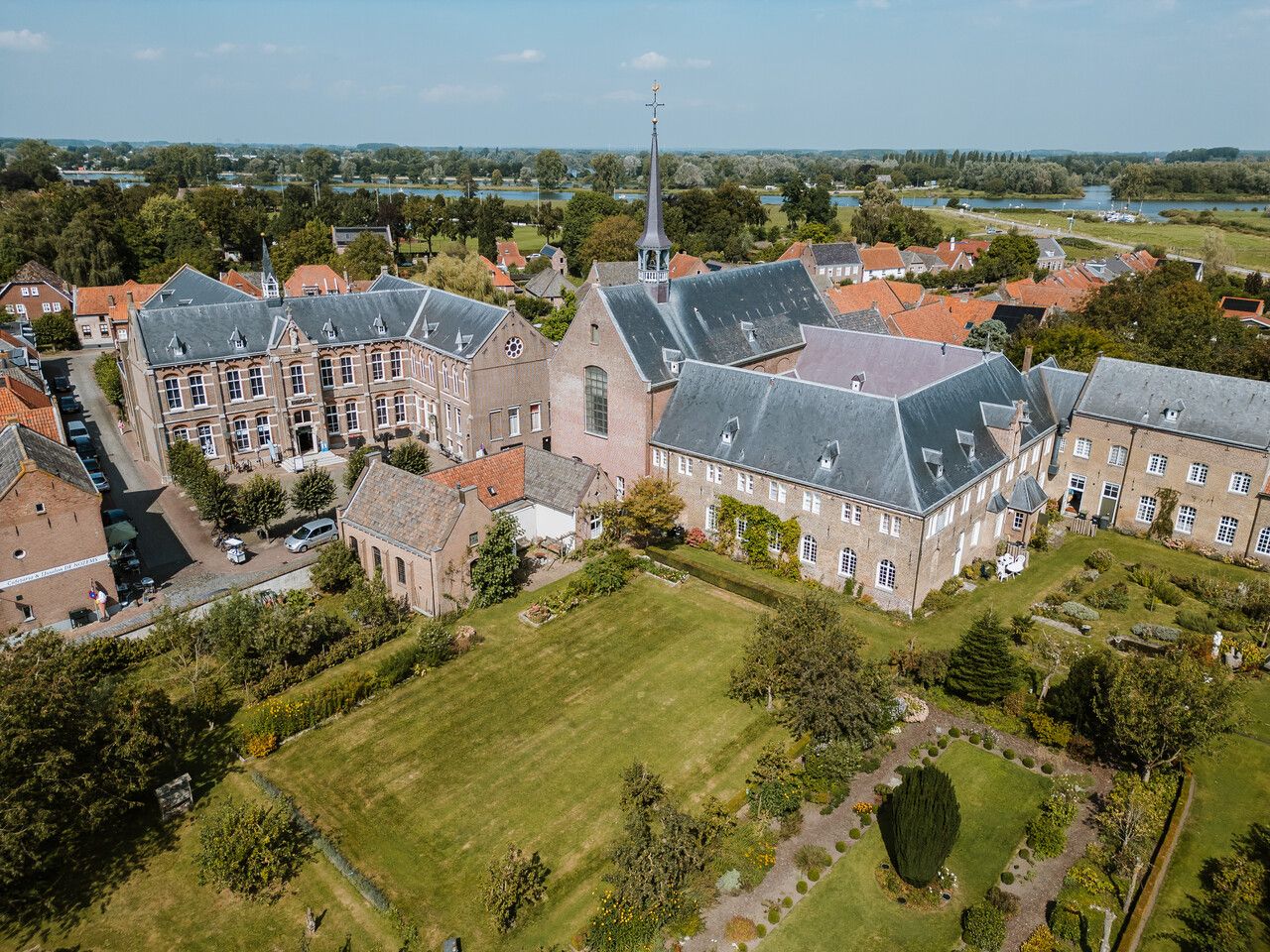
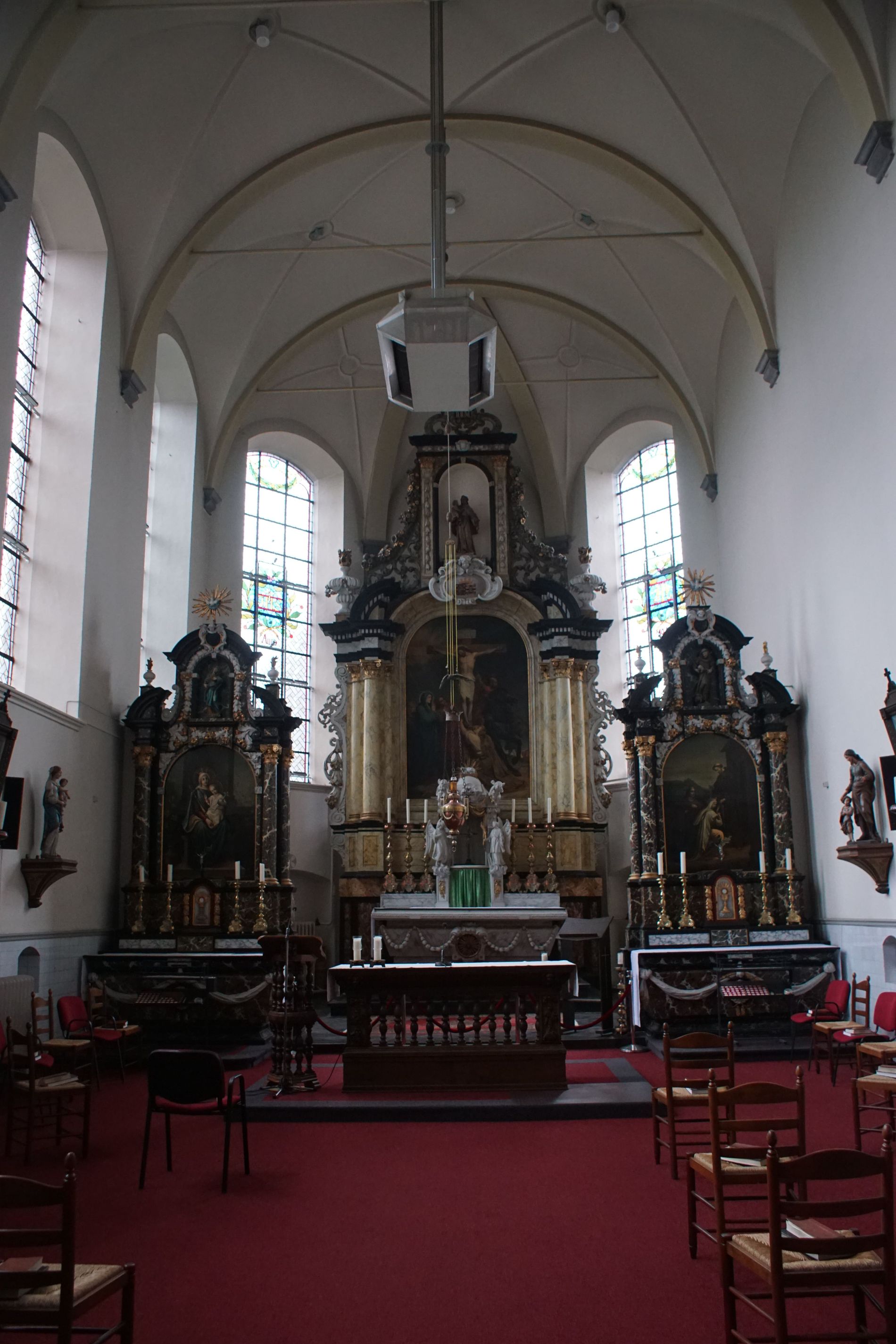
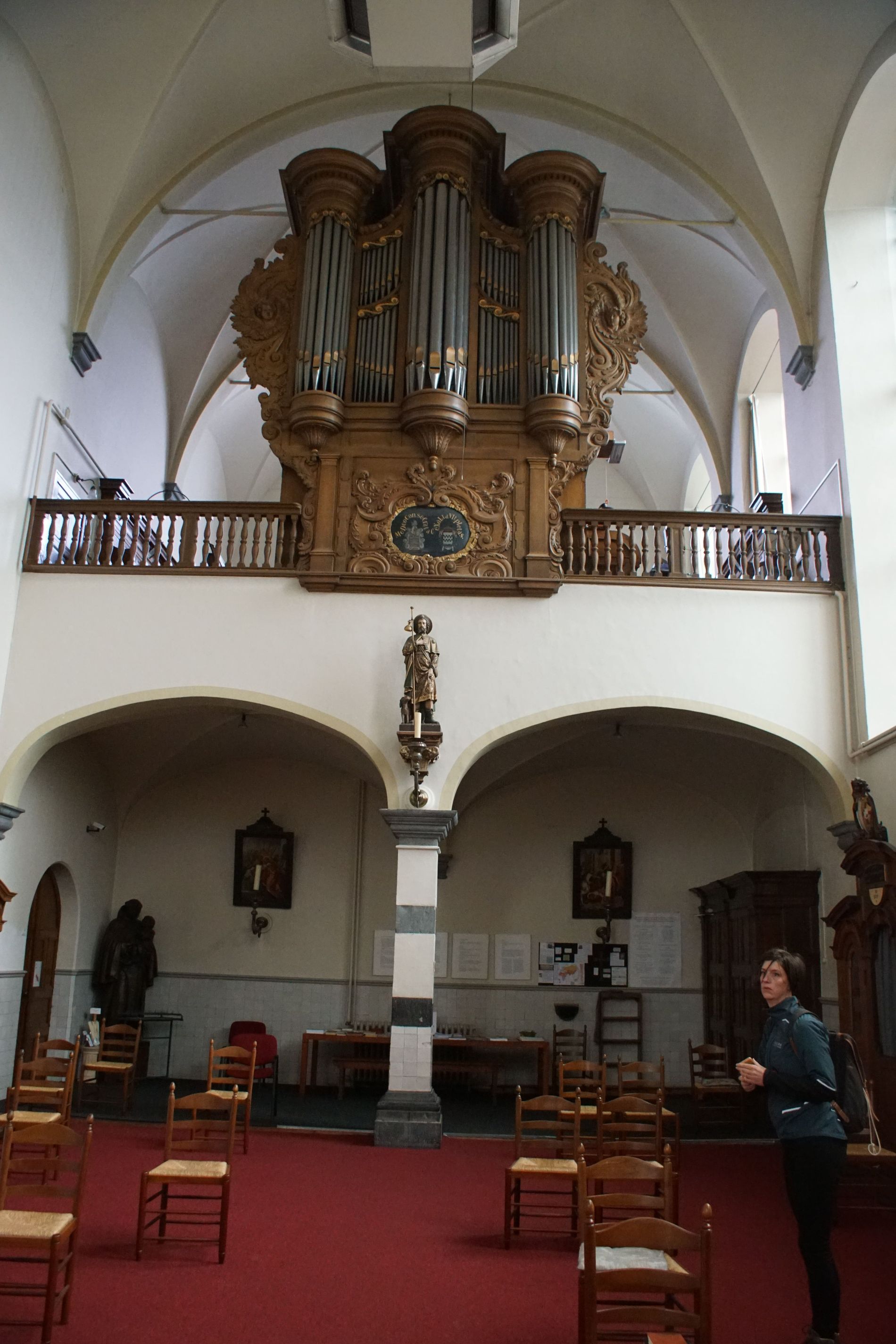
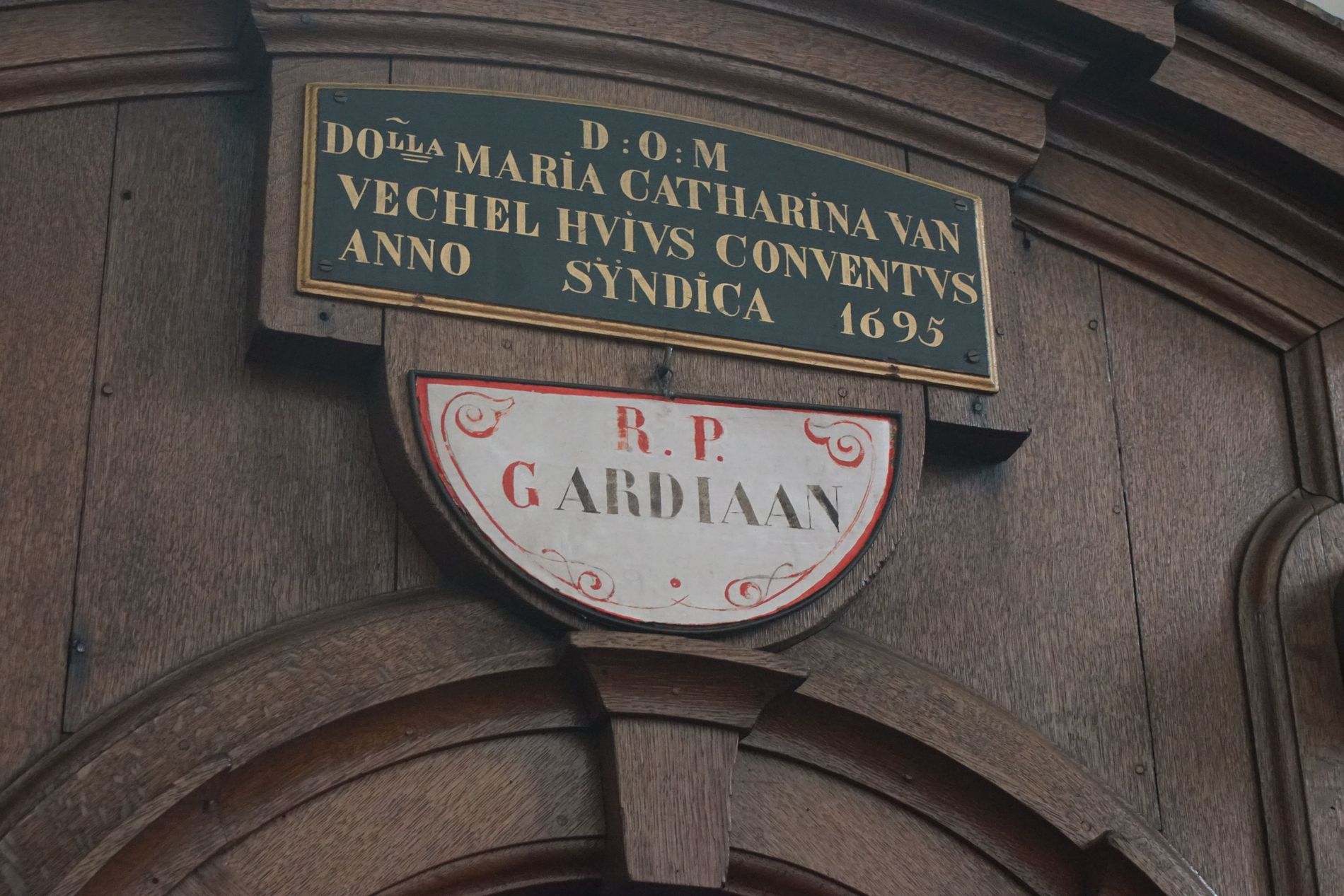
Along the banks of the River Meuse in Megen, two monasteries are still actively inhabited. Saint Joseph’s Hill Monastery is home to the Order of Poor Clares, while the Franciscan Friars of the Order of Friars Minor reside in the Saint Anthony Monastery.
In 1629, Frederick Henry captured the city of ’s-Hertogenbosch, forcing the Franciscan monks to leave their monastery. Like many other religious communities, they had to seek a new home as a result of the Eighty Years’ War. After Catholicism was banned from public life, the friars travelled the region as peddlers, secretly supporting Catholics in the practice of their faith. They were allowed to settle in Megen on the condition that they would establish a school, which they did in 1645.
Over the centuries, the Franciscans played a…
Along the banks of the River Meuse in Megen, two monasteries are still actively inhabited. Saint Joseph’s Hill Monastery is home to the Order of Poor Clares, while the Franciscan Friars of the Order of Friars Minor reside in the Saint Anthony Monastery.
In 1629, Frederick Henry captured the city of ’s-Hertogenbosch, forcing the Franciscan monks to leave their monastery. Like many other religious communities, they had to seek a new home as a result of the Eighty Years’ War. After Catholicism was banned from public life, the friars travelled the region as peddlers, secretly supporting Catholics in the practice of their faith. They were allowed to settle in Megen on the condition that they would establish a school, which they did in 1645.
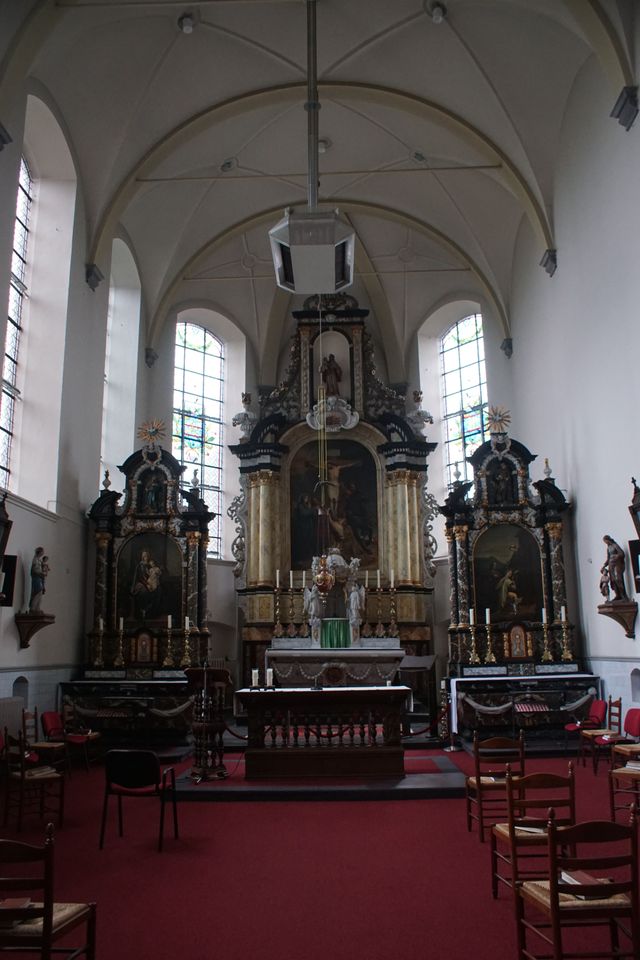
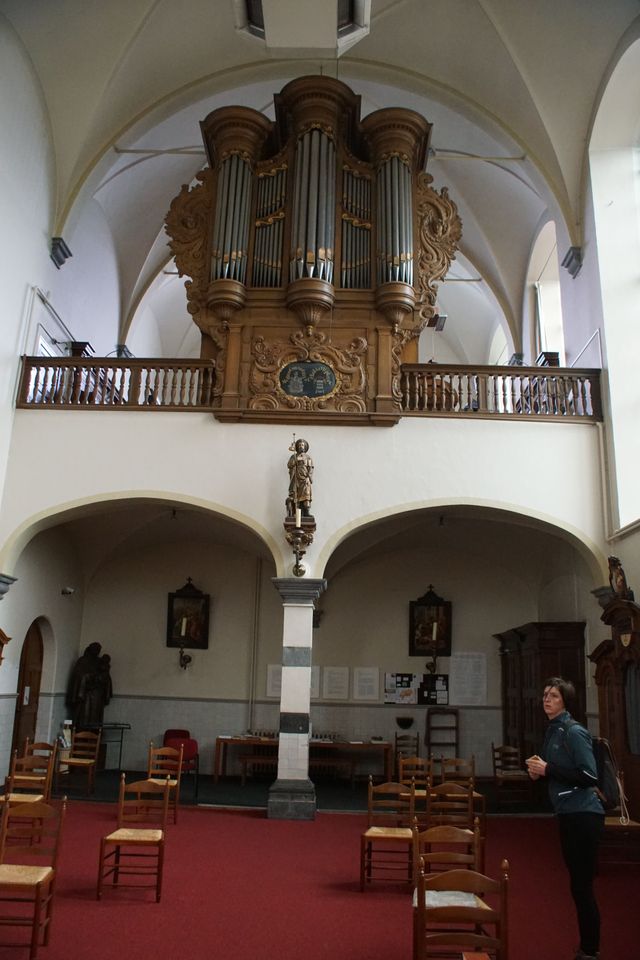
Over the centuries, the Franciscans played an important role in pastoral care through their monastery church and by assisting surrounding parishes. For more than three hundred years, the friars provided education, until the Antonius Gymnasium closed its doors in 1967. Visitors to Megen often notice the building bearing the name Acropolis; this was where the friars taught generations of students.
Since the 1980s, visitors have been able to stay at the monastery for several days and experience daily life alongside the friars.
The Garden of Praise
The monastery garden was traditionally designed with practical use in mind. Since the last garden brother, Judocus, became too old to maintain it, volunteers have cared for the grounds. The flowers and plants in the Garden of Praise each tell their own story. Sunflowers recall Saint Francis, who composed his famous Canticle of the Sun. Boxwood symbolises Palm Sunday and Saint Clare, who received a palm branch from the bishop as a sign of approval and joined Francis on that very day.
This text has been translated using AI.