
Roman Catholic Institute for the Deaf and Hard of Hearing
Martinus van Beek (b. 1790), the son of a farmer, became a curate in Gemert in 1821, a teacher at the Latin School a year later, and principal of that school in 1825.
Martinus van Beek (b. 1790), the son of a farmer, became a curate in Gemert in 1821, a teacher at the Latin School a year later, and principal of that school in 1825. Four deaf-mute individuals lived in Gemert who had not received religious instruction because no one knew how to teach the deaf. The curate and teacher was not satisfied with this and immersed himself in the study of education for the deaf. He mastered the finger alphabet and sign language and began teaching the deaf in 1828. Gradually, deaf people from outside Gemert began to flock to him. By 1835, the chaplain had 32 students and resigned as principal of the Latin School. He moved the classes for the deaf to the Dominican monastery in Gemert, but the workload soon threatened to overwhelm him. Consequently, the vicars of ’s-Hertogenbosch and Breda made the Nieuw Herlaer country house available to him. In 1840, forty deaf-mute individuals moved from Gemert to Sint-Michielsgestel.
In Herlaer, …
Martinus van Beek (b. 1790), the son of a farmer, became a curate in Gemert in 1821, a teacher at the Latin School a year later, and principal of that school in 1825. Four deaf-mute individuals lived in Gemert who had not received religious instruction because no one knew how to teach the deaf. The curate and teacher was not satisfied with this and immersed himself in the study of education for the deaf. He mastered the finger alphabet and sign language and began teaching the deaf in 1828. Gradually, deaf people from outside Gemert began to flock to him. By 1835, the chaplain had 32 students and resigned as principal of the Latin School. He moved the classes for the deaf to the Dominican monastery in Gemert, but the workload soon threatened to overwhelm him. Consequently, the vicars of ’s-Hertogenbosch and Breda made the Nieuw Herlaer country house available to him. In 1840, forty deaf-mute individuals moved from Gemert to Sint-Michielsgestel.
In Herlaer, starting in 1845, education for boys was provided by the brothers of the Congregation of the Immaculate Conception from Maastricht, while education for girls was provided by the Sisters of Mary and Joseph.
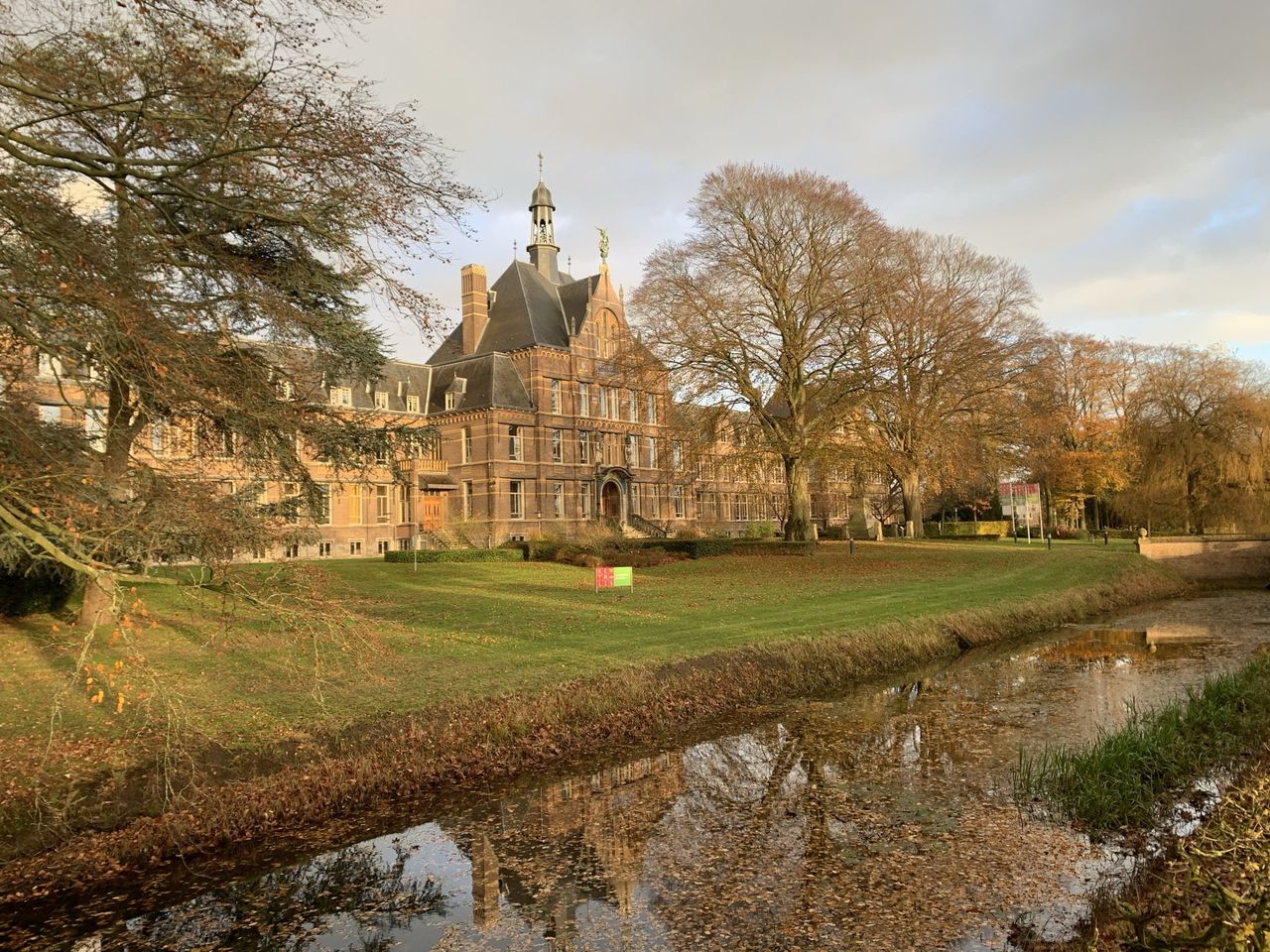
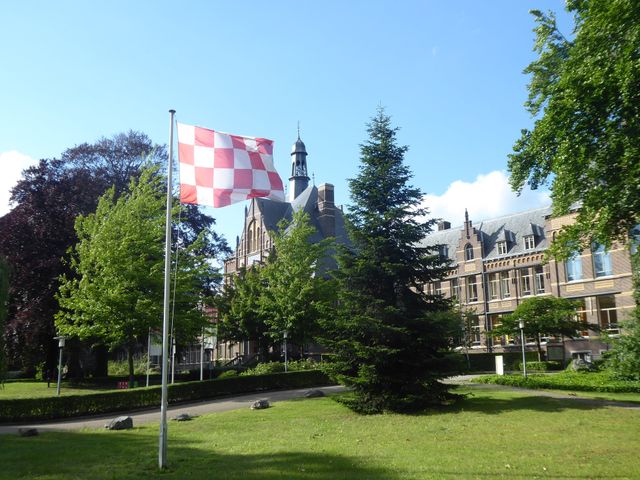
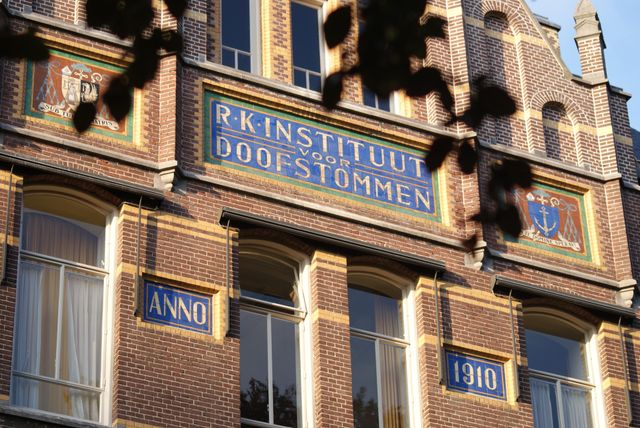
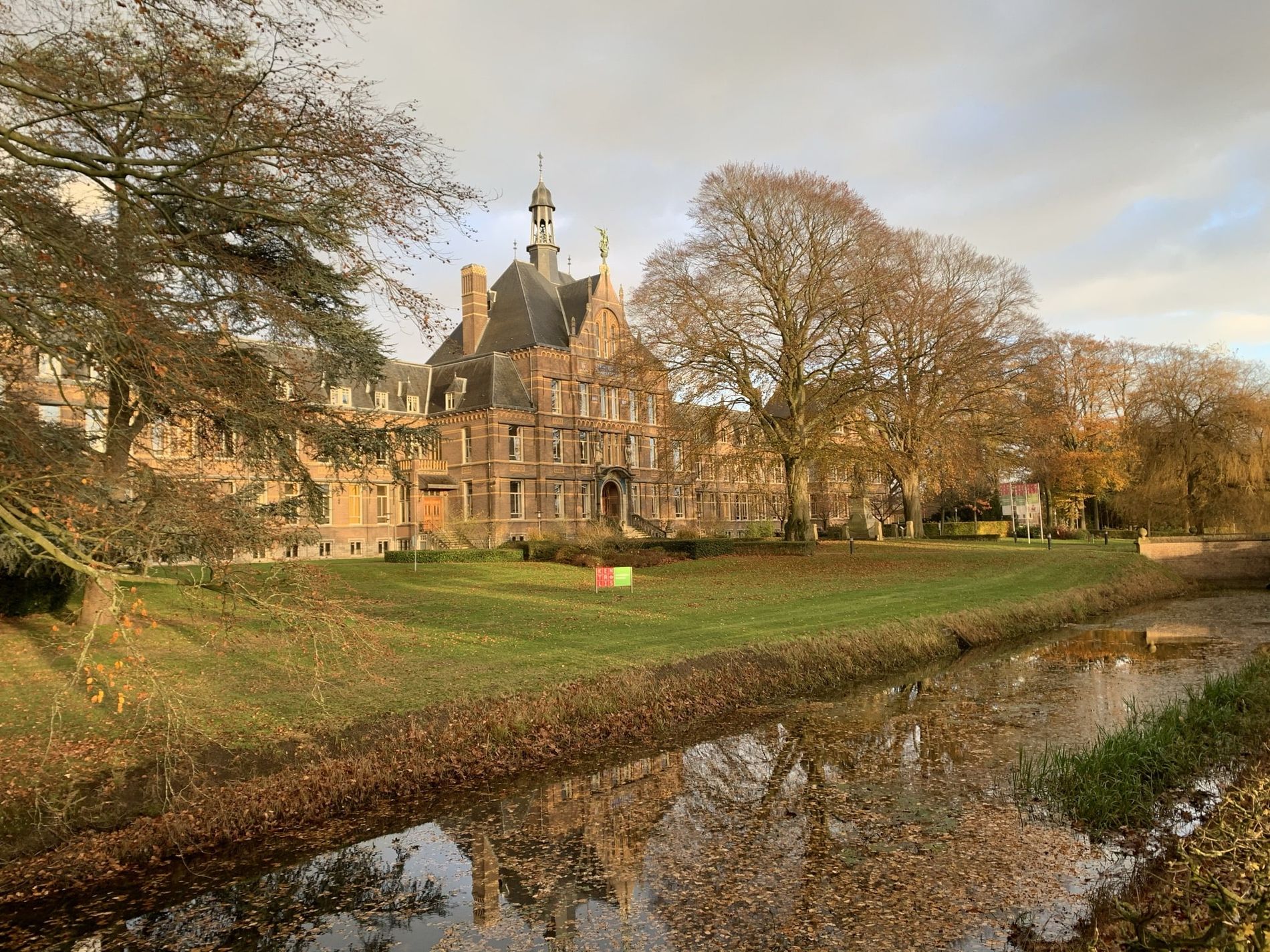
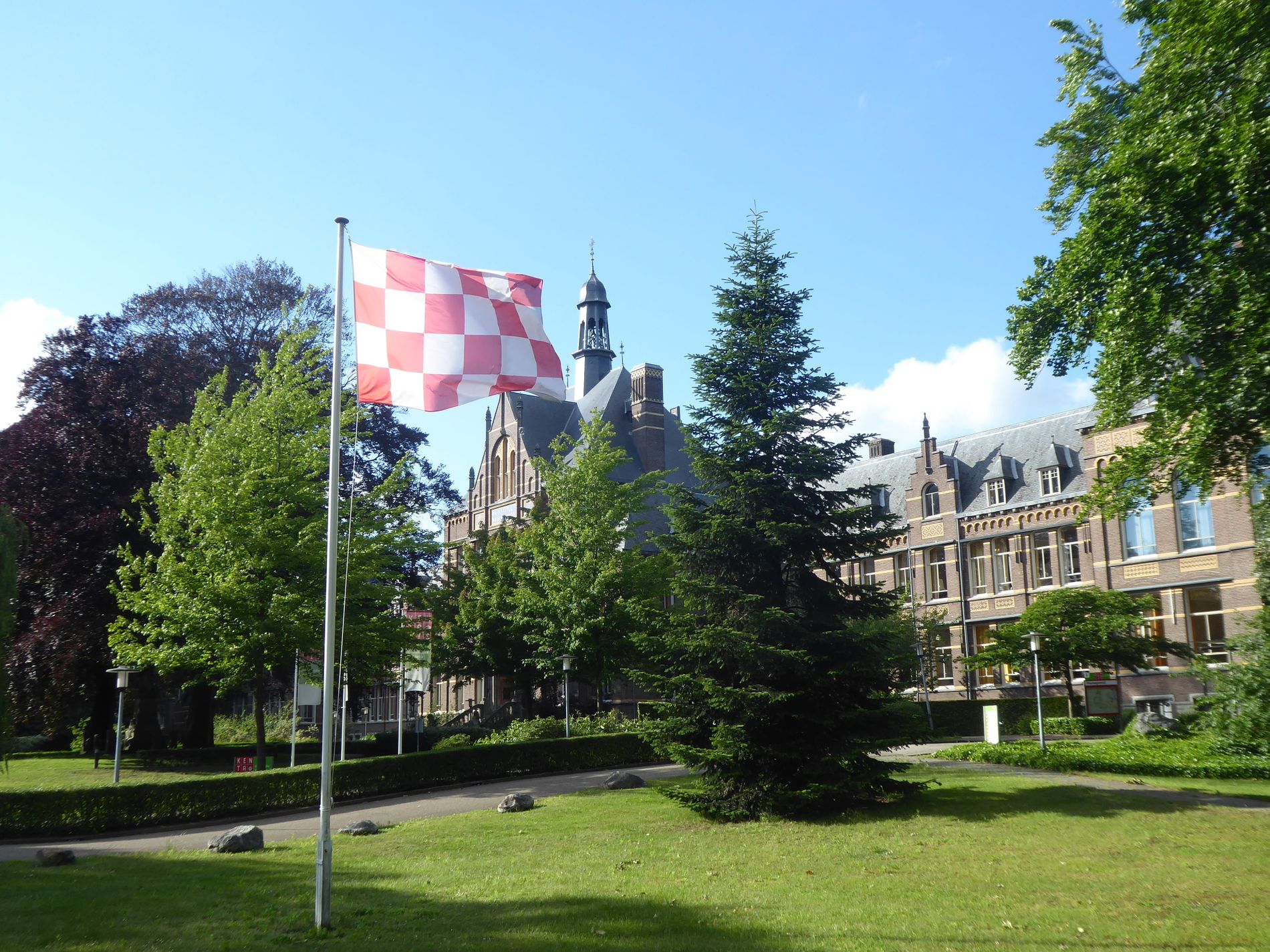
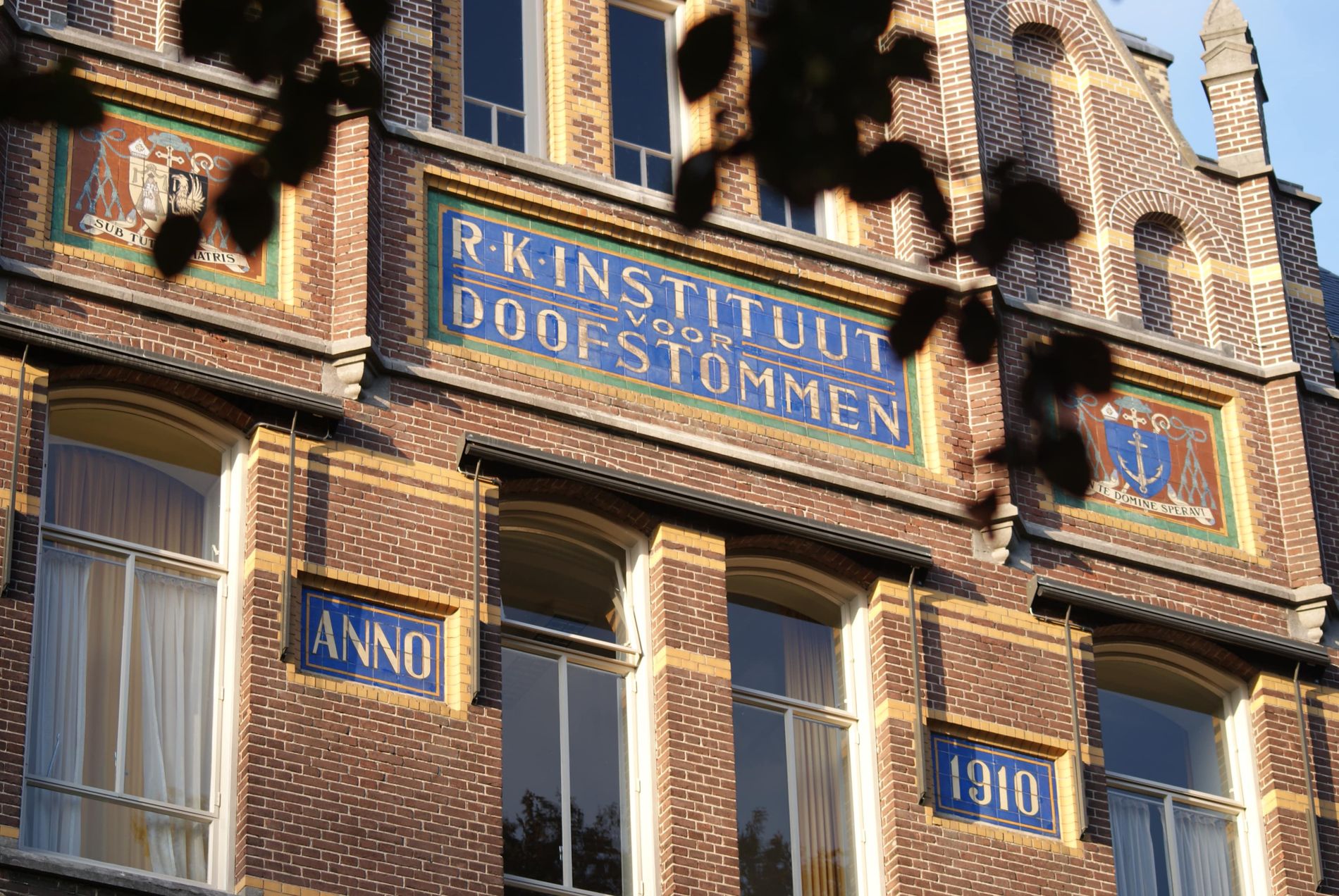
Under its new name, the Institute for the Deaf, the institution moved in 1910 to a large complex on Theerestraat, where hundreds of students lived in the boarding school. In 1960, construction began on a special home for deafblind children. Following several mergers, the institute became part of Kentalis, which plans to redevelop it.
This text has been translated using AI.
This is how to reach Roman Catholic Institute for the Deaf and Hard of Hearing
5271 GD Sint-Michielsgestel Plan your route to Roman Catholic Institute for the Deaf and Hard of Hearing