
Nature Border Park De Groote Heide: The Leenderbos
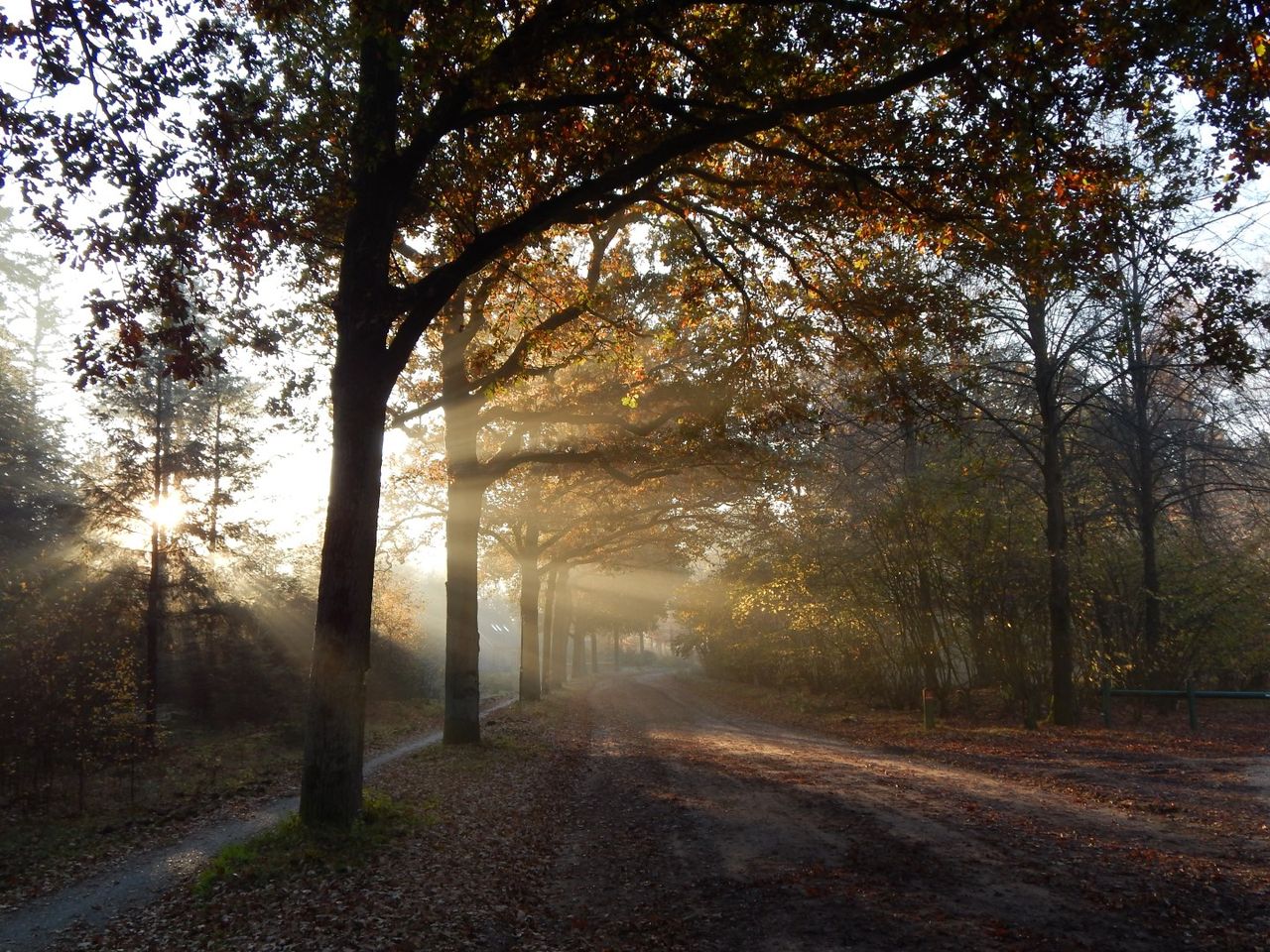
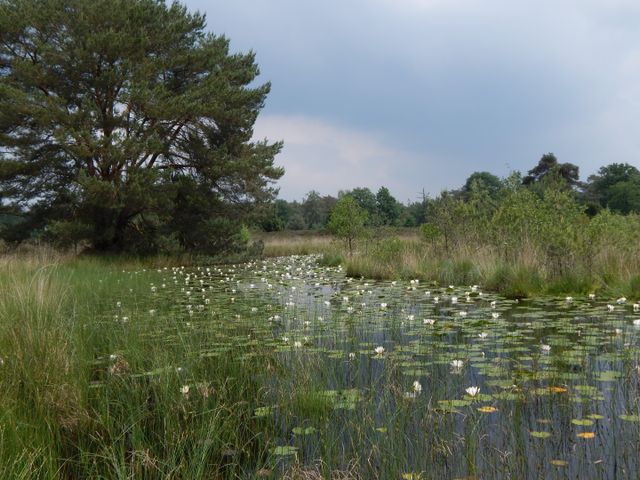
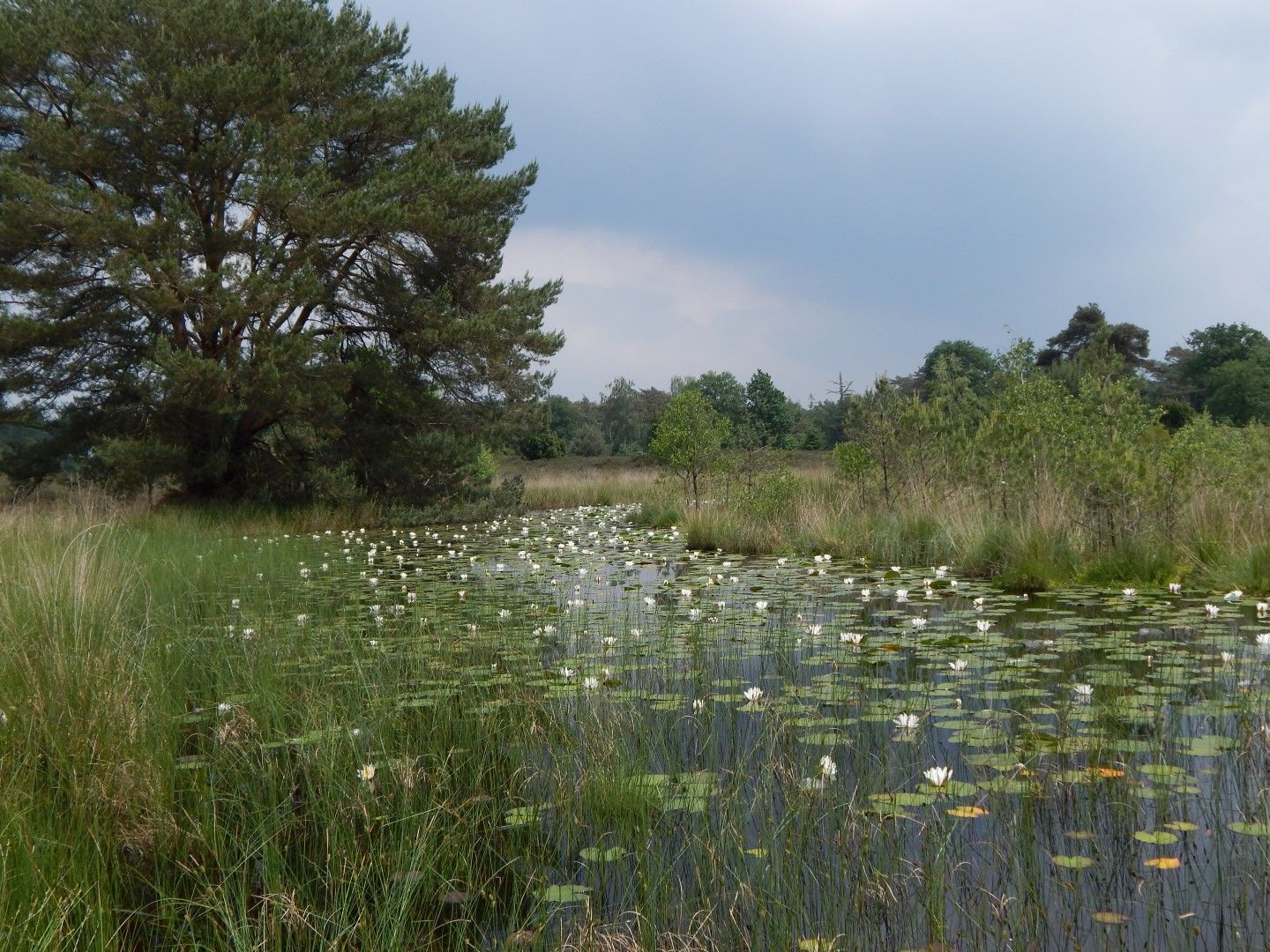
The Leenderbos, Groote Heide, and Valkenhorst together form a very extensive nature reserve on a continuous sand ridge between Eindhoven and Achel in Belgium. It consists of coniferous forests, heathlands, and fishing ponds, intersected by several stream valleys.
Show all 5 photos
Leenderbos
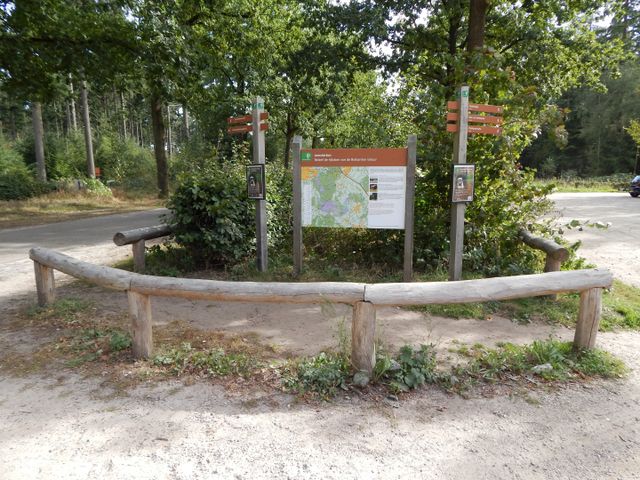
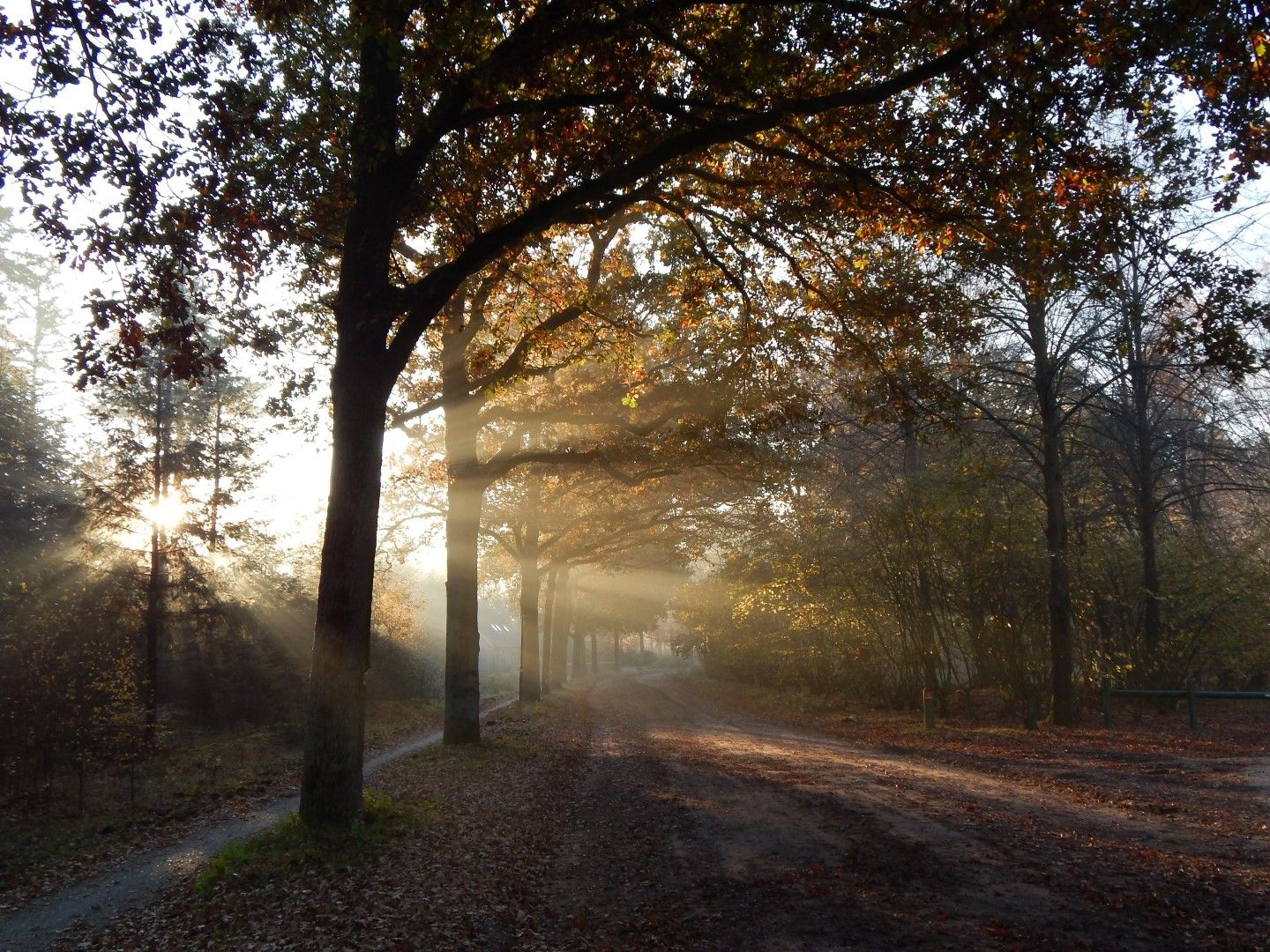
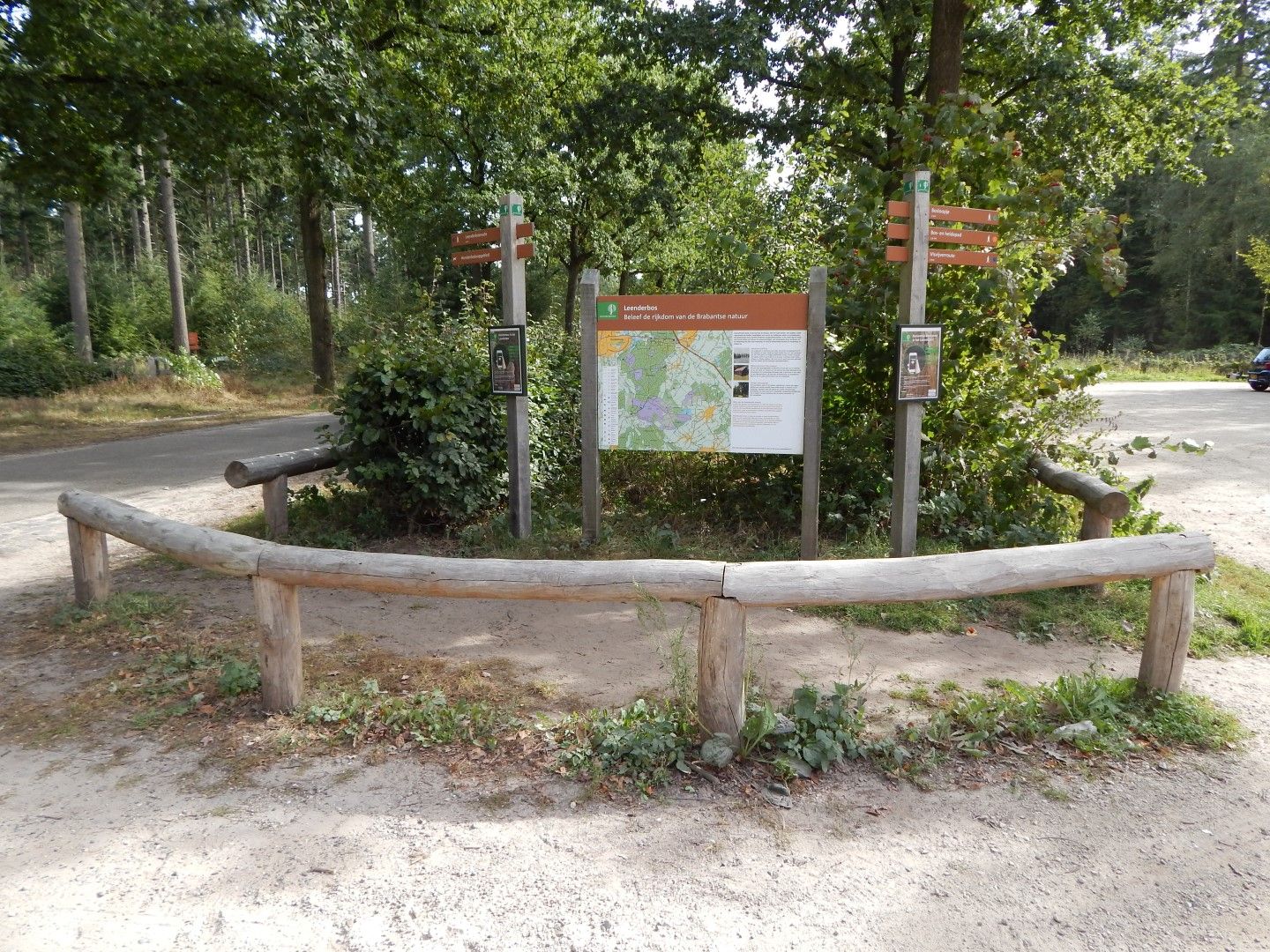
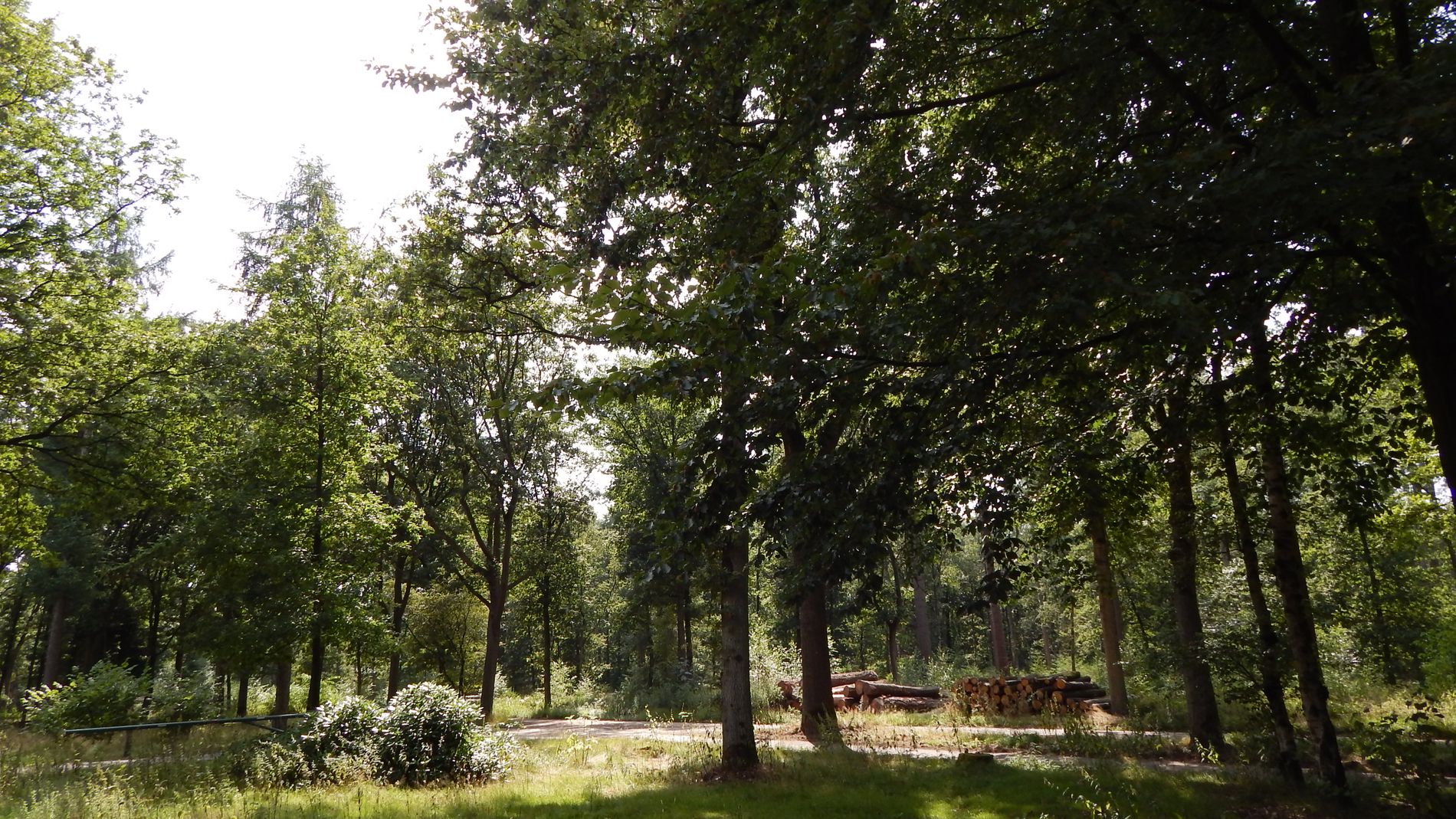
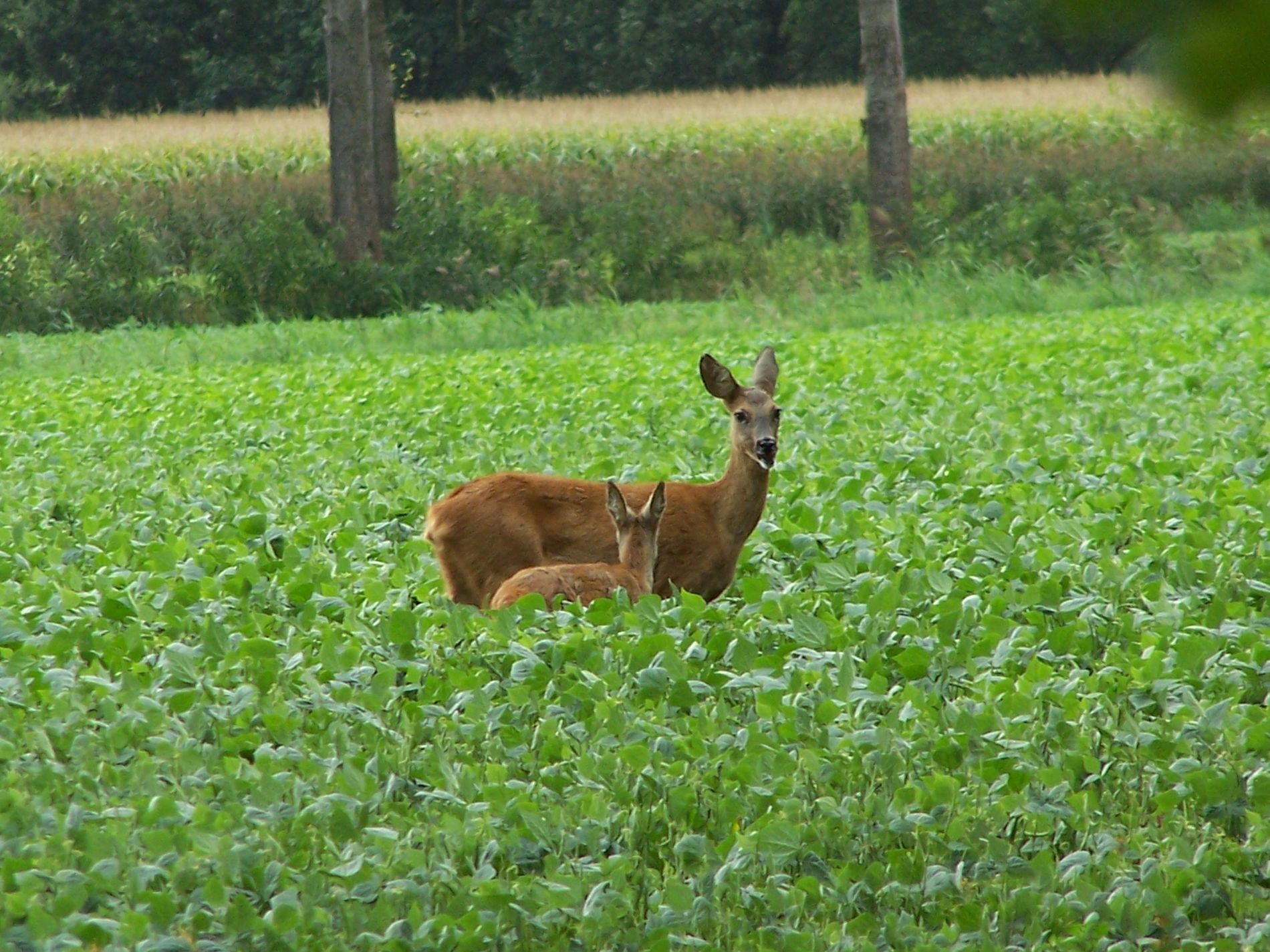
The Leenderbos covers approximately 2,000 hectares and is visited by around one million people each year. The forest consists mainly of coniferous trees and is home to many different birds, including the nightjar, bittern, honey buzzard, and kingfisher. In addition, the forest is inhabited by deer, foxes, hares, and rabbits. Naturally, the Leenderbos offers plenty of opportunities for walking and cycling. There are also many bridle paths, some of which are suitable for horse-drawn carriages.
Until 1930, the Leenderbos forestry area included a large expanse of heathland and drifting sands. The heathland was no longer profitable for agriculture, and the area fell into neglect. Staatsbosbeheer (the Dutch Forestry Commission) purchased the land and planted forests as part of public works programs. The Leenderbos was a typical production forest, similar to others established elsewhere in the Netherlands.
Today, the Leenderbos no longer …
Leenderbos
The Leenderbos covers approximately 2,000 hectares and is visited by around one million people each year. The forest consists mainly of coniferous trees and is home to many different birds, including the nightjar, bittern, honey buzzard, and kingfisher. In addition, the forest is inhabited by deer, foxes, hares, and rabbits. Naturally, the Leenderbos offers plenty of opportunities for walking and cycling. There are also many bridle paths, some of which are suitable for horse-drawn carriages.
Until 1930, the Leenderbos forestry area included a large expanse of heathland and drifting sands. The heathland was no longer profitable for agriculture, and the area fell into neglect. Staatsbosbeheer (the Dutch Forestry Commission) purchased the land and planted forests as part of public works programs. The Leenderbos was a typical production forest, similar to others established elsewhere in the Netherlands.
Today, the Leenderbos no longer serves the same function as it did during the economic crisis years. Although the forest still produces around 6,000 cubic meters of timber annually, recreation and nature conservation are now at least equally important. There are numerous walking, cycling, and bridle paths. The forests are becoming increasingly diverse, making them attractive to a variety of wildlife.
Groote Heide
Well, “great” is relative—it depends on your perspective. Compared to the past, not much of it remains. Almost all the heathland has been converted into forest. Fortunately, the remaining heath areas are connected, stretching from Eindhoven about 20 kilometers south, across the Belgian border.
Extensive walking area
This makes these heathlands a large and varied area for walking. Unfortunately, they are heavily intersected by roads. However, a solution has been found! Despite the economic crisis, construction of two wildlife bridges (“ecoducts”) began in 2013. These bridges cross the roads, allowing animals to move safely between areas and also reducing the danger for motorists.
Valkenhorst
One of the most striking and remarkable features of this beautiful area is the enormous fishing ponds, which were excavated in the Tongelreep valley from 1900 onward. They were initiated by the Baron van Tuyll van Serooskerken of Heeze and later continued by the Heidemij company. The extensive, natural Greveschutven was also converted into a fishpond. Although the ponds are connected, they are separated by dikes.
Valkenhorst is also one of Brabant’s bird paradises, but this is a relatively recent development. In the past, falcons were captured here, as the heathlands were ideal for falconry. After training, the birds were sold to noble courts at home and abroad. Valkenswaard became internationally famous for this practice.
Birdwatching around the fishing ponds
During a walk today, you would not notice the falconry of the past. Around 1900, when falconry declined as a “sport,” alternative uses for the heathlands were sought. Forests were planted, and fishing ponds were dug along the Tongelreep stream. Carp, a popular food for the local population, was farmed in these ponds. The ponds were fertilized, and the fish were fed—it was almost like intensive livestock farming. Naturally, various wild animals benefited, such as otters and fish-eating birds, though they were also heavily controlled.
When Brabants Landschap took over the ponds in 1987, fish farming was gradually phased out. The birds remained and no longer needed to fear traps or guns. Today, you can see all kinds of ducks, geese, swans, and birds of prey. Notably, the bittern and its miniature relative, the little bittern, breed here. The fishing ponds are now a bird reserve and are therefore closed to the public.
This text has been translated using AI.
This is how to reach Nature Border Park De Groote Heide: The Leenderbos
5595CA Leende Plan your route to Nature Border Park De Groote Heide: The Leenderbos